

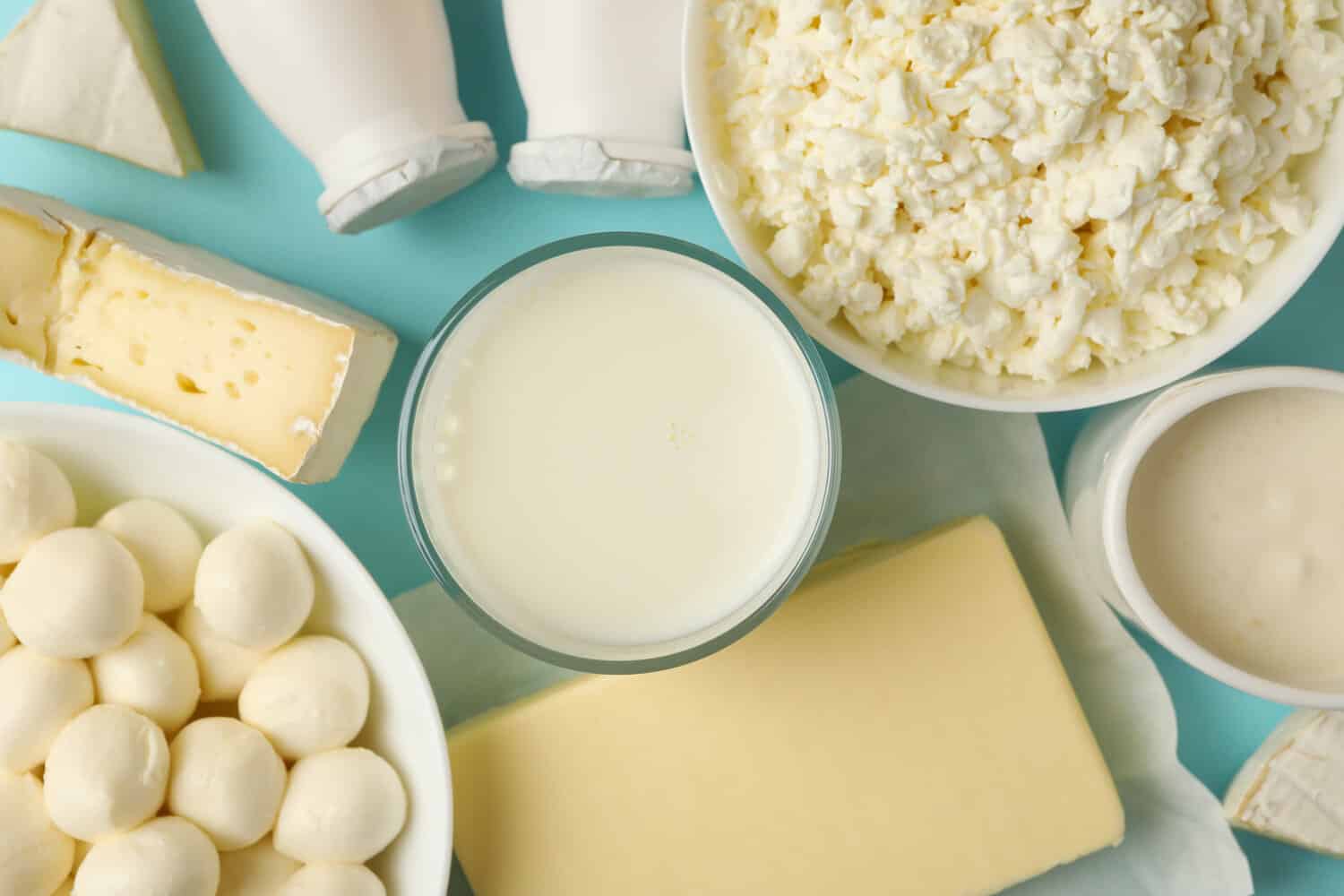
Not in a dramatic way, although if you are standing in front of the cheese drawer having an existential crisis, I understand. Cheese has a way of making itself emotionally complicated. It sits there looking innocent, delicious, and deeply committed to ruining our moral clarity.
The goal of this article is not to make you feel guilty every time you see butter, cream, yogurt, or mozzarella. Guilt is not a meal plan, and it is certainly not a cooking strategy. The goal is awareness — and then practical, realistic choices that fit your life.
Reducing dairy does not have to mean giving it up overnight. It does not have to mean eating sad food, pretending nutritional yeast is parmesan in every situation, or becoming the person at dinner who announces their substitutions before anyone has taken off their coat.
It can be much simpler than that.
You can use less dairy. You can choose better dairy when you do use it. You can swap dairy in places where you will barely miss it. You can save dairy for recipes where it truly matters. You can try plant-based alternatives without turning your kitchen into a science experiment.
Intentional Cooking is not about perfection. It is about paying attention and making choices with your eyes open.


Hosting this year?
Which Thanksgiving Are You Hosting?
I wrote four complete menus so you can plan only the dinner you can actually pull off. Each one has its own shopping list, oven schedule and hour-by-hour plan.
✓
Cooking for 2–4
Menu 1 · Turkey breast, one oven, planned leftovers
✓
A classic dinner for 8–12
Menu 2 · Brined turkey, half the work done Wednesday
✓
A big crowd, 12–16
Menu 3 · Ham and slow cooker turkey; guests bring the rest
✓
Vegetarian guests
Menu 4 · Stuffed acorn squash with mushroom gravy
Free 40-page printable, with a thawing chart, a “What can I bring?” sheet and my fixes for when things go sideways.
What is the dairy actually doing? Seven jobs, two difficulty levels
Easy to replace
Richness
Olive oil or tahini can add richness.
Easy to replace
Body & creaminess
Blended beans, potatoes, cauliflower or cashews add body.
Easy to replace
Body in coffee
Oat or soy milk has enough body for coffee.
Easy to replace
A silky sauce
Pasta water and olive oil make a sauce silky.
Hard to replace
Melt & stretch
Cheese is hard to copy where melting is the point.
Hard to replace
Flaky pastry
Butter in pie crust is doing structural work.
Hard to replace
A luxurious sauce
Cream can make a sauce luxurious.
One ingredient may do several of these at once
Which is why there is no single perfect dairy swap.
01
Start With the Dairy You Won’t Miss
The easiest way to reduce dairy is not to begin with the foods you love most. Please do not start your journey by attacking your grandmother’s lasagna or the one cheese that makes you feel emotionally stable. That is not strategy. That is self-sabotage with a grocery list.
Start with the dairy you use out of habit.
Maybe it’s the splash of milk in a smoothie where almond milk, oat milk, or soy milk would work just as well. Maybe it’s butter on toast when avocado, jam, nut butter, or hummus would be just as satisfying. Maybe it’s milk poured over oatmeal for extra creaminess, where a splash of plant-based milk can do the trick.
Most of us have “invisible dairy” in our routines — dairy we add without thinking because it has always been there. That is the best place to begin. You are not taking away pleasure. You are simply noticing where dairy is not doing very much work.
This is one of the kindest ways to change: remove what you do not miss before wrestling with what you love.
02
Use Dairy Where It Actually Matters
As a chef, I am not going to pretend dairy never matters. Sometimes it does. Butter gives pastry tenderness and flavor. Cream can create a luxurious sauce. Cheese can bring salt, fat, umami, stretch, and comfort. Yogurt can tenderize marinades and balance heat. There are recipes where dairy is not just decoration; it is part of the structure.
So instead of treating all dairy the same, ask a better question: is this dairy essential to the dish, or is it just there because I always add it?
Structural or habitual?
The same butter can be habit on toast and structure in a crust.
Habitual · swap it or drop it
A splash in a smoothie
Butter on toast
Milk on oatmeal
Structural · keep it, buy it better
Butter in pie crust
Cheese for melt and stretch
Cream for a luxurious sauce
Keep the dairy that does the work. Rethink the rest.
If dairy is essential, use it intentionally. Choose the best option you can access and afford. Use it with respect. Let it play its role.
If dairy is not essential, reduce it, replace it, or leave it out. A soup may be creamy because of blended beans, potatoes, cauliflower, squash, or cashews. A pasta may feel rich because of olive oil, garlic, pasta water, lemon, and herbs. A salad may not need cheese if it has roasted nuts, crunchy vegetables, briny olives, or a bright dressing.
Flavor does not belong to dairy alone. Dairy just has excellent marketing and a very persuasive mouthfeel.
03
Choose the Right Plant-Based Milk
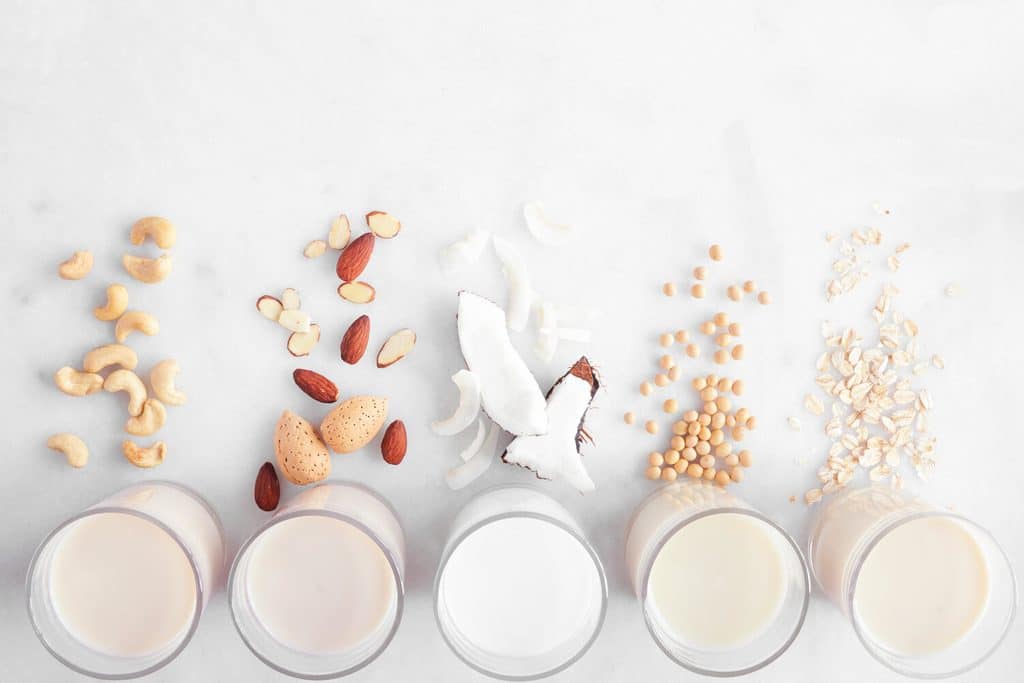
Plant-based milks are not all the same, and this is where people often get annoyed. One almond milk tastes like toasted sadness. Another is perfectly fine. One oat milk behaves beautifully in coffee. Another separates like it is personally offended by heat.
Find a plant-based milk that works for you
The best plant-based milk depends on how you are using it. For coffee, oat milk and soy milk often work well because they have more body. For smoothies, almond, soy, oat, or coconut can all work depending on the flavor. For baking, unsweetened plain soy milk or oat milk are often useful because they have enough structure and a neutral taste. For savory cooking, choose unsweetened and unflavored milk alternatives, unless you enjoy soup that tastes faintly like vanilla birthday cake, which I do not recommend.
Plant milk matcher
Each job wants a different milk.
When nutrition matters, read the label for protein, calcium and vitamin D.
Coffee
Oat · Soy
They have more body.
Smoothies
Almond · Soy · Oat · Coconut
Any of these can work. Choose by flavor.
Baking
Plain soy · Oat
Unsweetened. Enough structure and a neutral taste.
Savory cooking
Any unsweetened, unflavored
Sweetened or vanilla versions will show.
Nutritionally, plant-based milks vary widely. The FDA notes that fortified soy beverages are the only plant-based milk alternatives currently included in the federal dairy group because their nutrient content is similar enough to dairy milk. Other plant-based milks may be fortified with calcium and vitamin D, but their protein and other nutrients can differ significantly, so checking the label matters.
The takeaway is simple: pick the plant-based milk for the job, and read the label when nutrition matters.
04
Rethink Creaminess
Creaminess is not only about cream. It is about texture, fat, starch, and how ingredients are blended together.
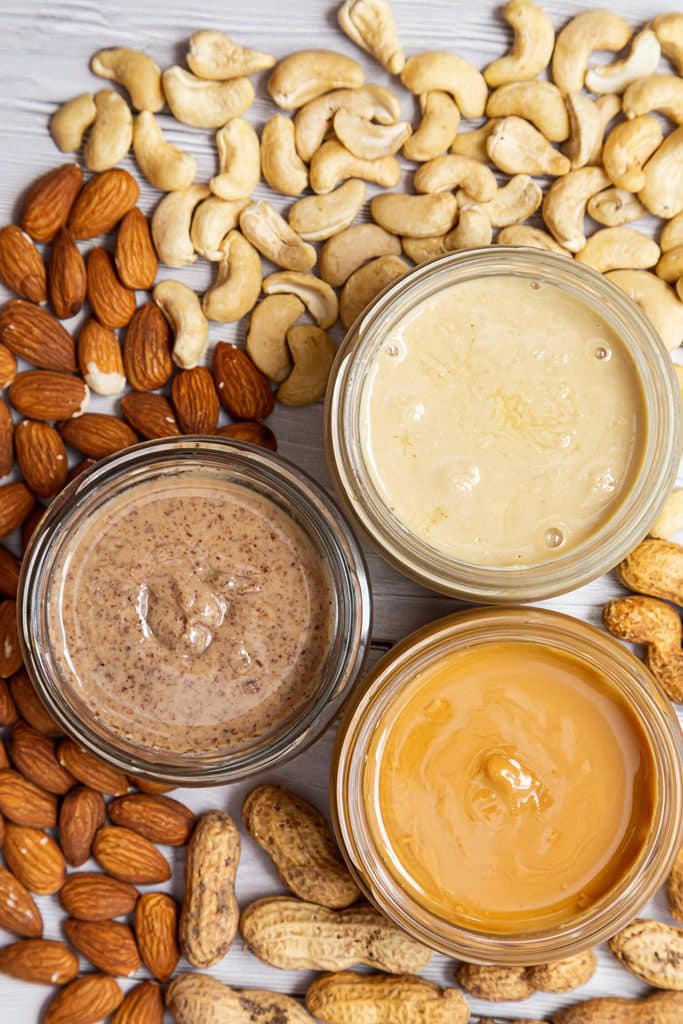
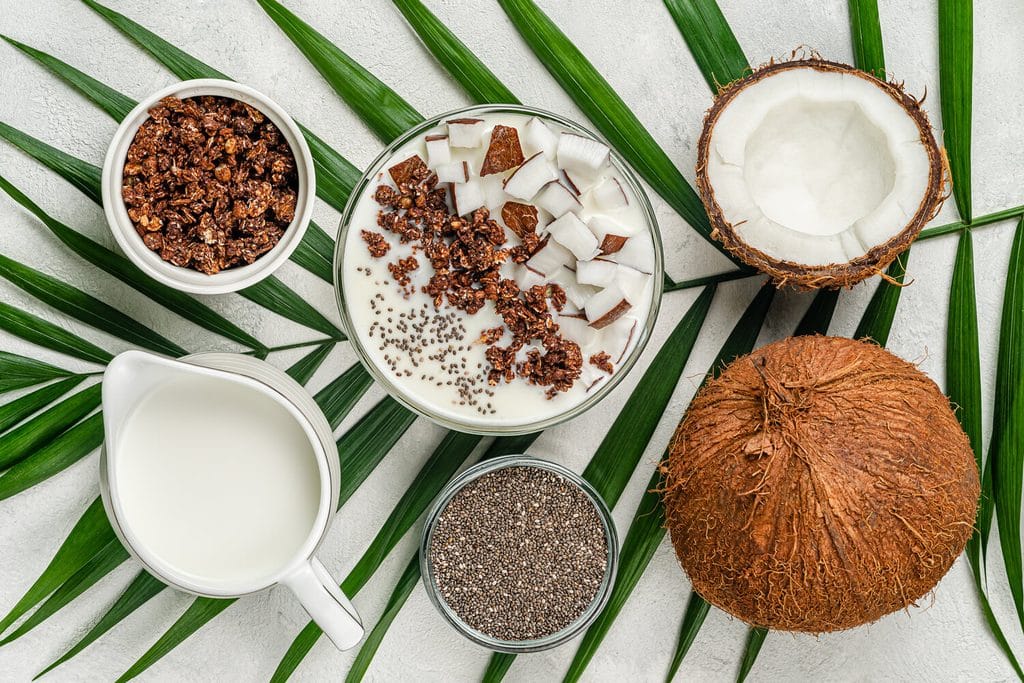
If you want a creamy soup without dairy, try blending part of the soup until smooth. Beans, lentils, potatoes, cauliflower, carrots, squash, and white beans can all create body. Cashews can make a rich cream when soaked and blended. Coconut milk works beautifully in curries, stews, and some soups, though it brings its own flavor. Olive oil can add richness. A little pasta water can turn a sauce silky. Tahini can make dressings and sauces feel lush without a drop of dairy.
Creaminess without cream
Body comes from technique, not just from the carton.
Blend
Beans, potatoes, cauliflower, squash
part of the soup, until smooth
Soak and blend
Cashews
a rich cream
Stir in
Coconut milk
body, with its own flavor
Emulsify
Pasta water, olive oil, tahini
silky sauces and lush dressings
Finish
Lemon, vinegar, mustard
round out what dairy used to soften
This is where cooking technique matters. A recipe does not need cream just because it needs body. Often, it needs blending, emulsifying, reducing, seasoning, or finishing with the right fat or acid.
Lemon juice, vinegar, mustard, herbs, garlic, and spices can also help because dairy often softens or rounds flavor. When you remove it, you may need to build flavor more intentionally. That is not a problem.

Blended Soups
Nut creams
Milk alternatives
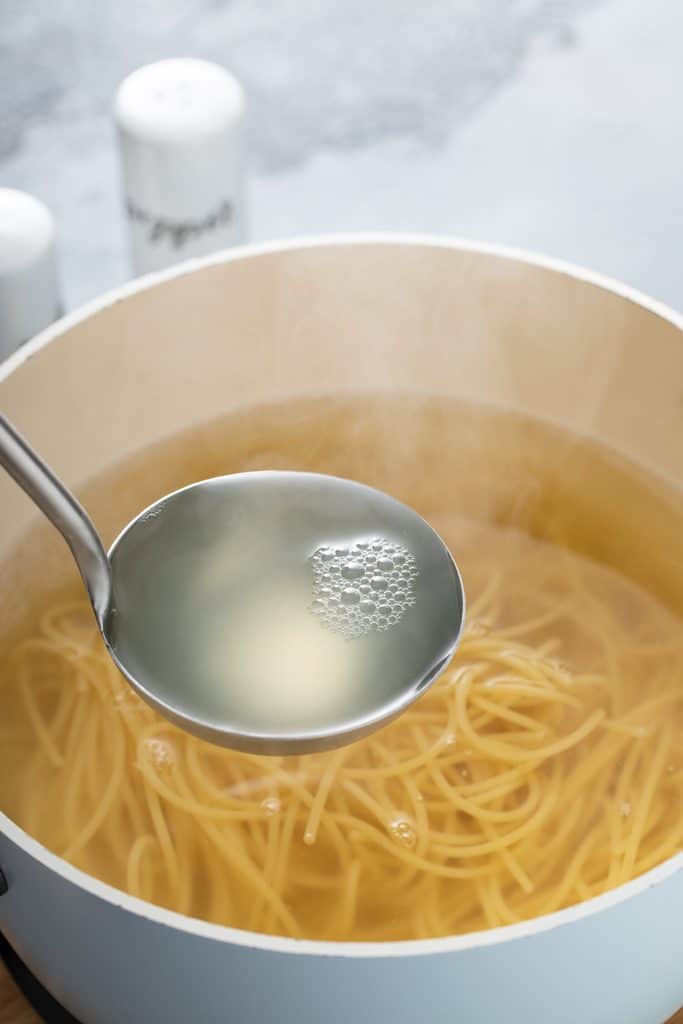
Pasta water
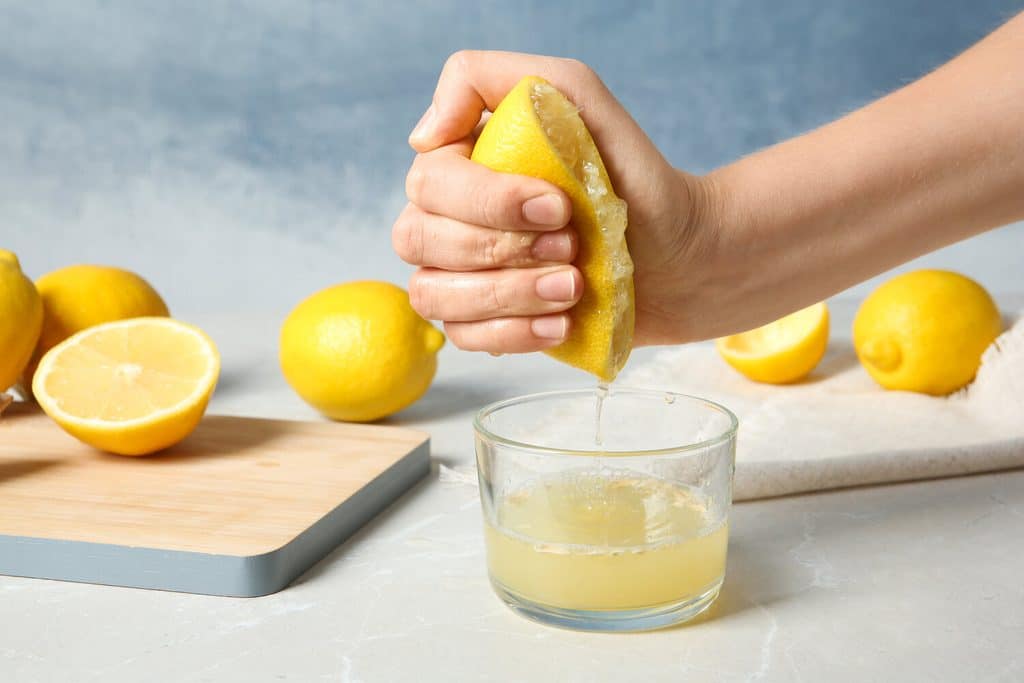
Lemon topping
That is cooking.
05
Use Less Cheese, But Make It Count
Cheese is often the hardest dairy to reduce because it brings so much: salt, fat, umami, texture, and drama. Cheese does not enter a room quietly. It arrives with emotional support credentials.
The mistake many people make is trying to replace cheese one-for-one in every recipe. Sometimes that works, but often it does not. A better approach is to use less cheese and make the rest of the dish more flavorful.
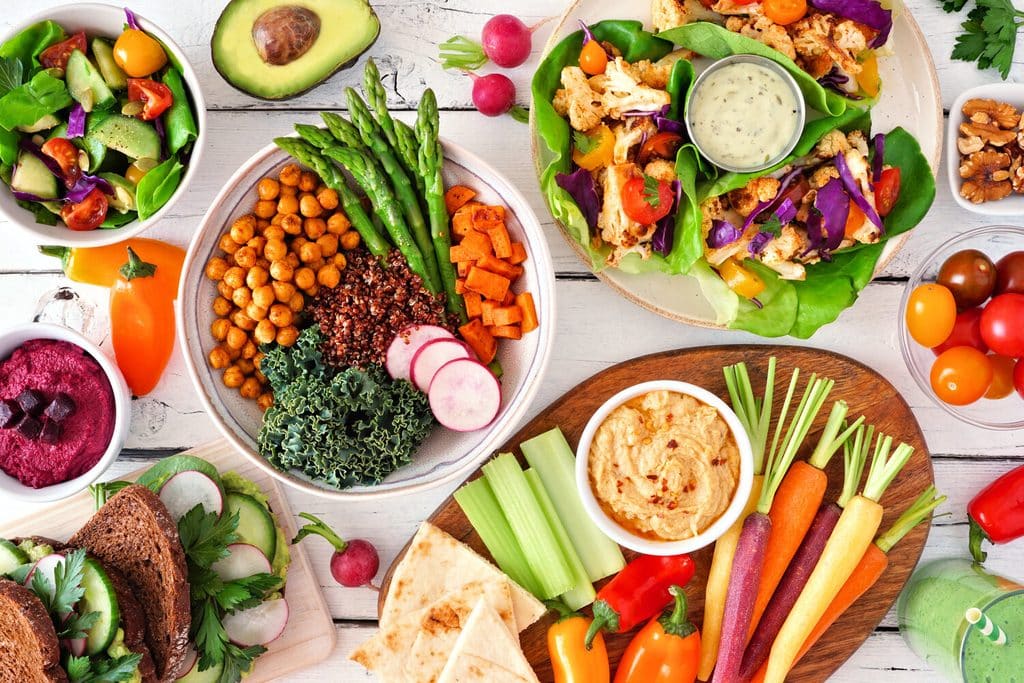
rich, dairy-free dishes
Instead of covering a dish with cheese, use a smaller amount as a finish. Choose stronger cheeses when you do use dairy, because a little can go further. Add other flavor builders: toasted nuts, breadcrumbs, olives, capers, roasted garlic, caramelized onions, herbs, lemon zest, chili crisp, sun-dried tomatoes, mushrooms, miso, nutritional yeast, or a really good sauce.
If you are using plant-based cheese, be selective. Some melt well. Some taste good cold. Some behave in ways that suggest they were developed during a committee meeting no one enjoyed. Test before serving it to guests, especially if you love your guests.
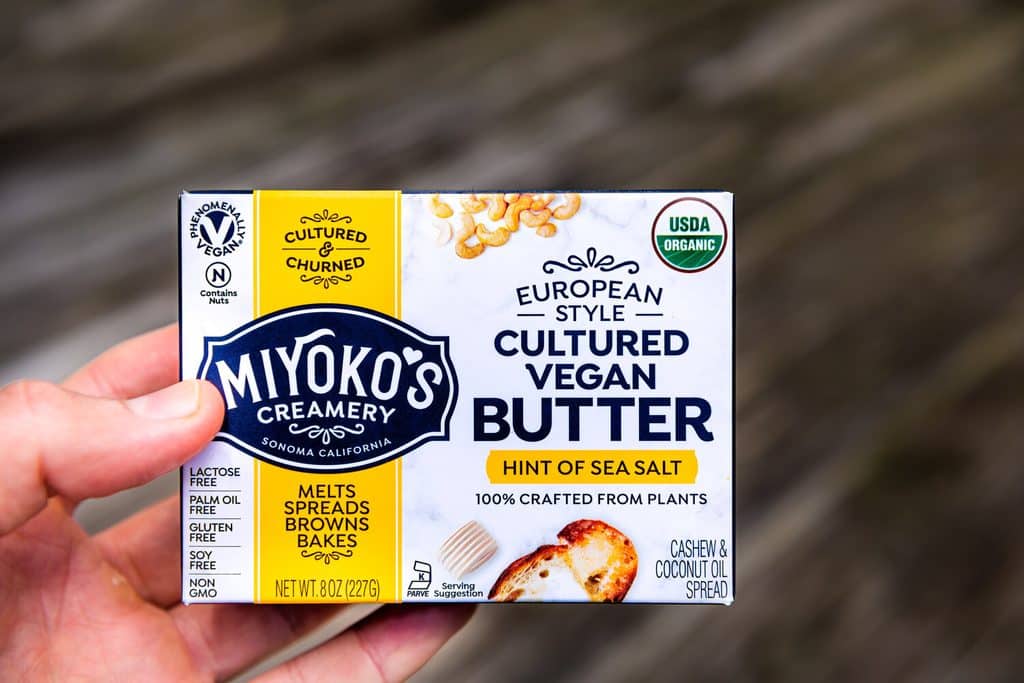
Vegan butter
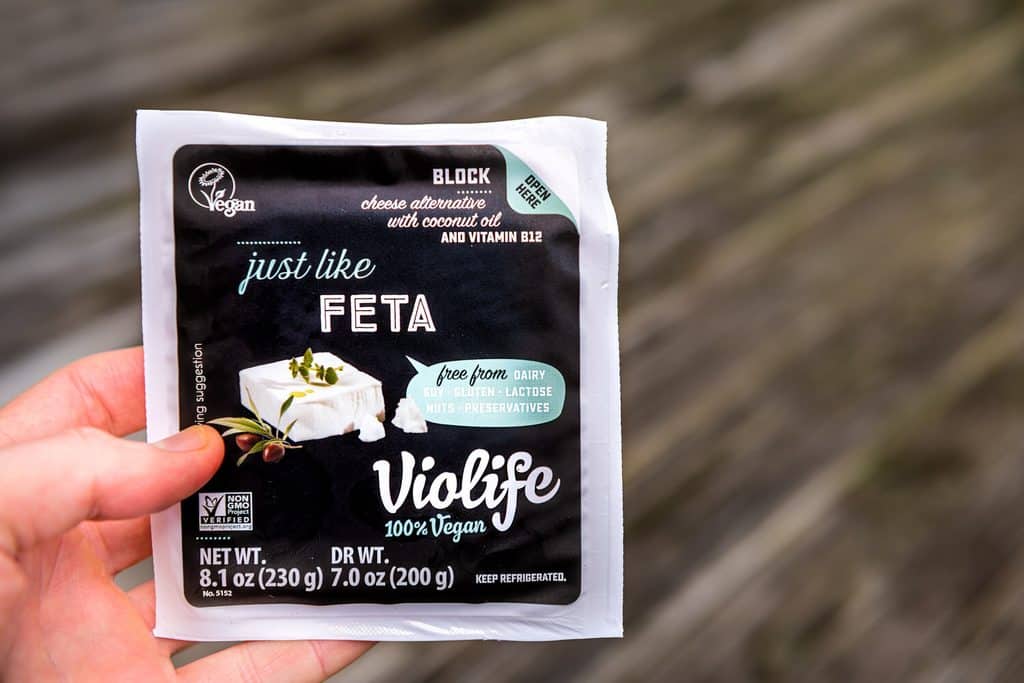
Vegan feta
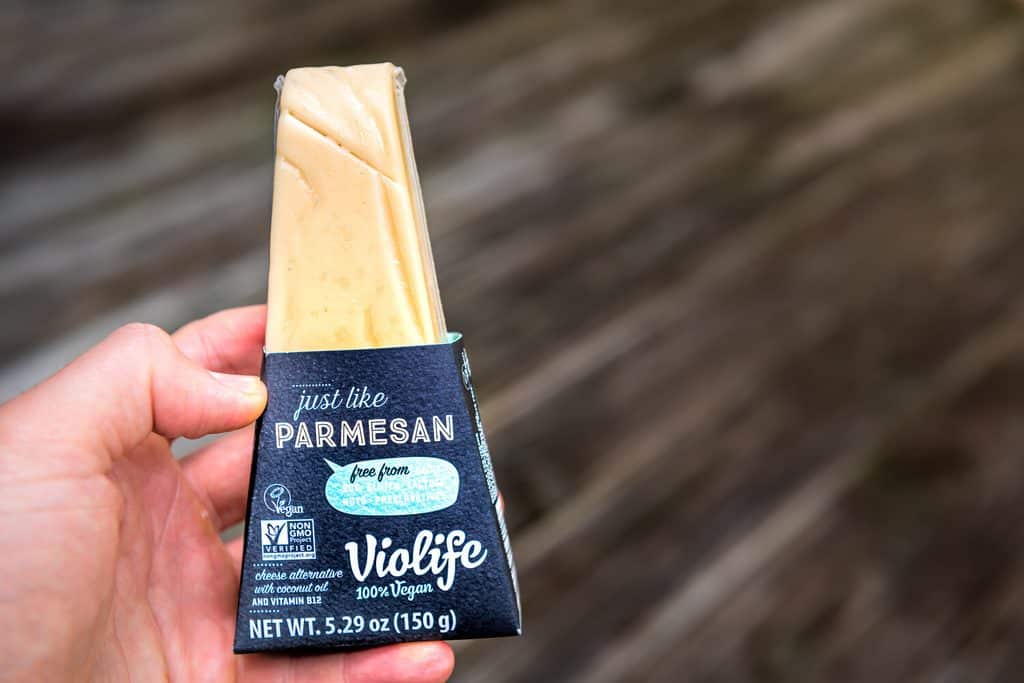
Vegan parmesan
The goal is not to suffer through bad substitutions. The goal is to create food that still tastes generous.
06
Replace Butter Strategically
Butter is delicious. That is not the debate.
The question is where butter is necessary and where another fat works just as well. In many savory dishes, olive oil, avocado oil, coconut oil, or another cooking fat can replace butter easily. Olive oil is especially useful in sautéing, roasting, salad dressings, marinades, pasta, vegetables, beans, and sauces.
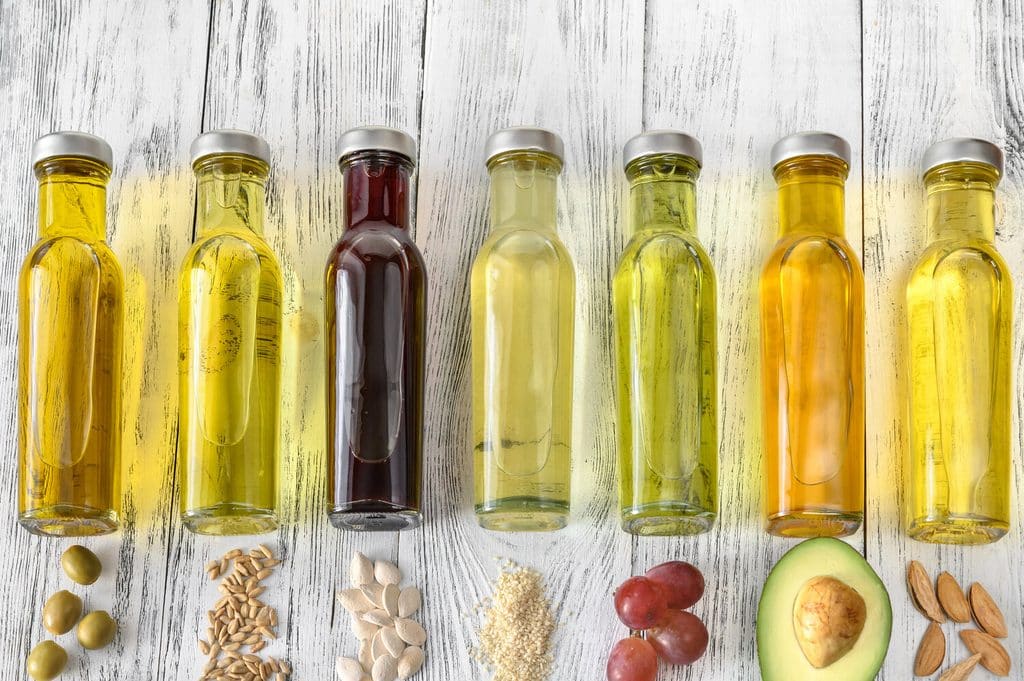
oils can easily replace many butter uses
In baking, the swap depends on the recipe. Some cakes and quick breads work beautifully with oil. Pie crusts, laminated pastries, shortbread, and certain cookies may rely on butter for structure and flavor. In those recipes, you may choose to keep the butter, use a high-quality vegan butter, or make a different dessert entirely.
There is no shame in deciding that some recipes are worth the dairy and others are not. That is the whole point of intentional cooking.
07
Make Dairy a Flavor, Not the Foundation
One helpful shift is to treat dairy like a powerful ingredient instead of the default base of a meal.
If a pasta sauce uses two cups of cream, could it use a smaller amount of cream plus pasta water, olive oil, garlic, lemon, and blended vegetables? If a casserole uses a mountain of cheese, could it use half as much and rely on herbs, roasted vegetables, sauce, and texture? If a breakfast depends on yogurt every morning, could some days be oatmeal, eggs, avocado toast, chia pudding, smoothies, or leftovers because breakfast does not have to be a dairy commercial?
Turn the dial down
Shrink dairy’s role in the dish before you remove it.
Try
Less cream, plus pasta water, garlic, lemon and blended vegetables
Half the cheese, plus herbs, roasted vegetables and texture
Some days: oatmeal, chia pudding or leftovers
Instead of
Two cups of cream in a pasta sauce
A mountain of cheese on a casserole
Yogurt every morning
Same dish. Smaller role.
This approach is practical because it does not demand all-or-nothing change. It simply reduces the role dairy plays in your kitchen.
Less automatic. More intentional.
08
Watch the Nutrients, Not Just the Swap
Reducing dairy can be a thoughtful choice for animal welfare, digestion, the environment, or personal values, but it is still important to pay attention to nutrition. Dairy products can provide calcium, vitamin D, protein, potassium, and other nutrients. If you reduce dairy significantly, make sure those nutrients are coming from other foods or fortified products.
Lactose intolerance is common: NIDDK estimates that about 68 percent of the world’s population has lactose malabsorption, and about 36 percent of people in the United States have it. NIDDK also notes that lactose intolerance can affect health if it keeps someone from getting enough nutrients such as calcium and vitamin D.
Good non-dairy sources and supports can include fortified soy milk, fortified plant-based milks, calcium-set tofu, leafy greens, beans, almonds, tahini, canned salmon or sardines with bones for those who eat fish, and vitamin D from fortified foods or supplements when appropriate. This is not medical advice; it is a reminder not to remove a major food category and replace it with vibes.
Vibes are not calcium.
09
Make a “Dairy Budget”
A dairy budget does not mean money, although money matters too. It means deciding where dairy earns its place.
Maybe you do not care about milk in coffee, but you really love real parmesan on pasta. Maybe you can easily use olive oil instead of butter most nights, but holiday pie crust is staying exactly as it is because we are not monsters. Maybe you want to stop buying cow’s milk but still use Greek yogurt occasionally. Maybe cheese becomes a special ingredient instead of a daily habit.
This is how change becomes livable.
Choose the dairy that matters most to you. Reduce the rest. Over time, your habits shift without turning dinner into a punishment.
Try these low-dairy recipes:



10
Try One Swap at a Time
The fastest way to hate dairy-free cooking is to replace everything at once and expect your favorite recipe to taste exactly the same. It will not. Then you will feel betrayed by cashews, angry at oat milk, and suspicious of anyone who says “you can’t even tell.”
Start small. Replace milk in smoothies. Try one dairy-free creamy soup. Make one pasta sauce with blended white beans or cashews. Use less cheese on tacos and more salsa, avocado, cilantro, lime, and crunch. Try a plant-based yogurt in a sauce or dressing.
Keep what works. Ignore what does not. You are not auditioning for a purity contest. You are learning in your own kitchen.
11
Reducing Dairy Is Not the Same as Losing Pleasure
This is important because food should still be joyful. If reducing dairy makes you feel like every meal is a punishment, the plan is not sustainable.
Pleasure matters. Texture matters. Comfort matters. Tradition matters. Family recipes matter. So does your health, your budget, your values, and the animals behind the ingredients. Intentional Cooking is where all of that gets to be part of the conversation.
A lower-dairy kitchen can still be abundant. It can be full of olive oil, herbs, spices, roasted vegetables, bright sauces, toasted nuts, creamy beans, hearty grains, coconut curries, garlicky pastas, beautiful salads, flavorful soups, and desserts that do not taste like a lecture.
Nobody wants dessert that tastes like moral superiority. We want dessert that tastes like dessert.
This Is Intentional Cooking
The point is not to cook with guilt. The point is to cook with attention.
Reducing dairy is not about becoming perfect. It is about becoming more aware.
After learning about industrial dairy, calf separation, male dairy calves, and confusing labels, it can feel overwhelming to know what to do next. But the next step does not have to be dramatic. It can be as simple as choosing oat milk in coffee, using olive oil instead of butter, making one creamy soup without cream, buying dairy less often, or choosing a higher-welfare option when dairy really matters.
Small shifts count. Repeated choices count. Awareness counts.
The point is not to cook with guilt. The point is to cook with attention.
Four questions before you add dairy
Where did this ingredient come from?
Do I need it?
Is there a better option?
Is the pleasure worth the cost?
Sometimes the answer may be yes. Sometimes it may be no. But now it is a conscious answer.
That is where change begins.
Cook like it matters.
Let’s talk about cooking with purpose.
Intentional Cooking is not fancy. It is honest. Every ingredient matters. Make it yours.
Frequently Asked Questions
What is the best plant-based milk for coffee?
Oat and soy milk usually work best in coffee because they have more body.
Which plant-based milk is best for baking?
Unsweetened plain soy or oat milk. They have enough structure and a neutral taste.
Is plant-based milk as nutritious as dairy milk?
It varies. Fortified soy milk is the closest match to dairy milk for protein, calcium and vitamin D. With other plant milks, check the label.
How can I make soup creamy without cream?
Blend in white beans, potatoes, cauliflower, squash or soaked cashews, then finish with olive oil, lemon or herbs.
Do I have to give up cheese?
No. Use less, but make it count: a smaller amount of a more flavorful cheese often does more than a lot of a mild one.
What is the easiest way to start reducing dairy?
Start with the dairy you will not miss, the automatic splash or habit, and try one swap at a time.
The dairy loop
The loop ends in your kitchen. It is the one node where you decide how much dairy a recipe uses.
Pregnancy
bred again
→
Birth & separation
usually within the first day
→
Lactation
milked for months
→
Dry period
6–8 weeks, then again
↺
Calves & cows
female calves rejoin · males & cull cows leave
→
Processing
tank · truck · plant
→
Carton & label
the claim is set here
→
Kitchen
your recipe
■ The part this article covers
▢ Covered by the companion pieces below
↺ The cycle starts again with the next calf
The Intentional Cooking Series: Dairy
5 Articles
Part 1 · The System

Part 2 · Separation
Part 3 · Male Calves
Part 4 · Labels
Part 5 · You Are Here
How to Reduce Dairy Without Feeling Deprived
Leave a Reply