

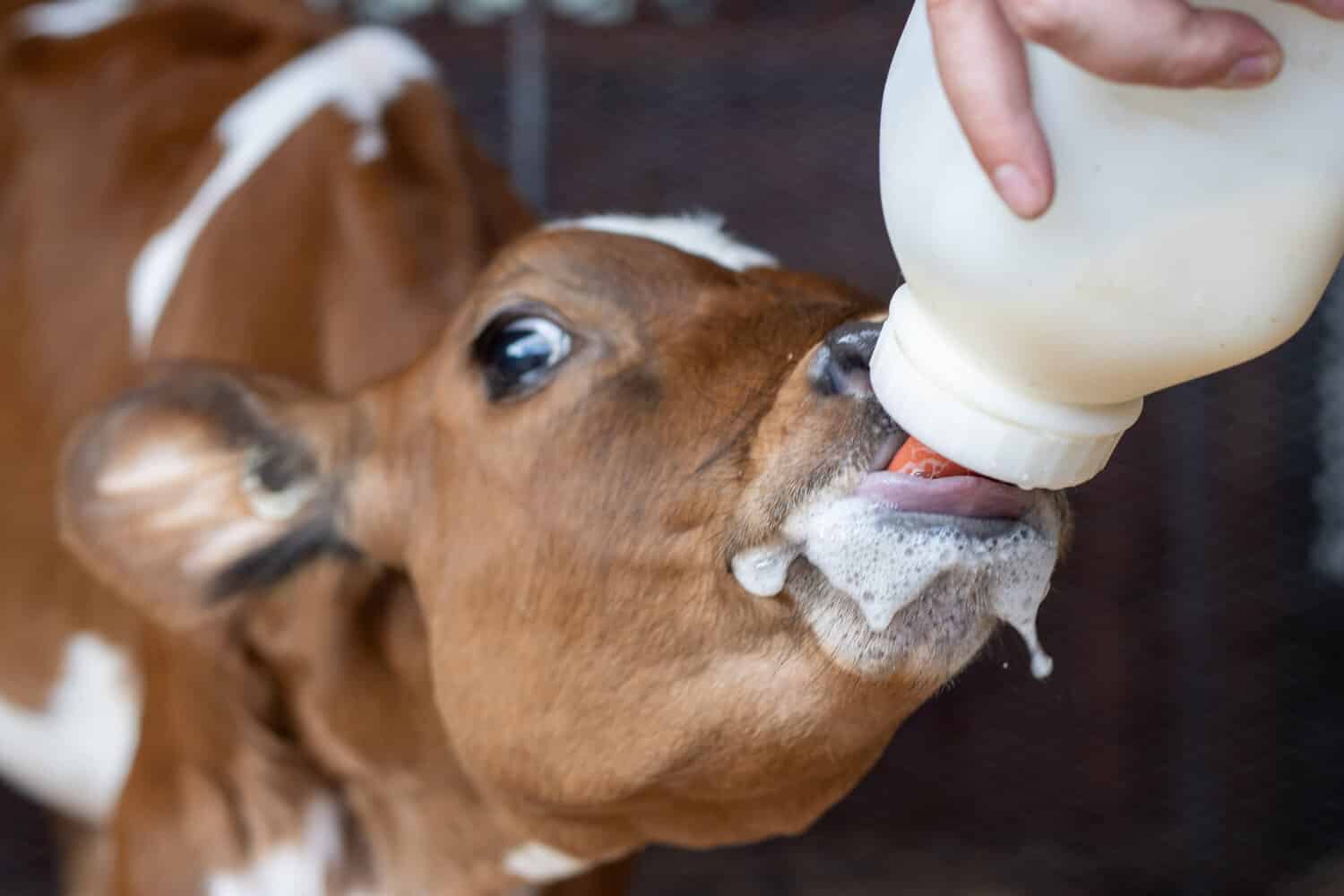
Not the smiling cow on the label. Not the green pasture doing its usual Oscar-worthy performance in the background. The actual calf. The baby. The reason the milk exists in the first place.
Milk does not begin in a refrigerator, a coffee shop, a cereal bowl, or a perfectly lit commercial where everyone has strong bones and suspiciously clean countertops. Milk begins with birth.
A cow does not produce milk because she is a cow. Like every mammal, she produces milk after having a baby. Her body makes milk for her calf. That is the biological beginning of every glass of dairy milk, every latte, every scoop of ice cream, every stick of butter, and every block of cheese.
And in industrial dairy farming, that beginning is usually interrupted very quickly. In most dairy systems, calves are separated from their mothers shortly after birth. The mother is moved into the milking system. The calf is moved away to be raised separately. The milk that her body made for her baby enters the human food supply.
That is the part we rarely see. And once we see it, it is very hard to unsee.


Hosting this year?
Which Thanksgiving Are You Hosting?
I wrote four complete menus so you can plan only the dinner you can actually pull off. Each one has its own shopping list, oven schedule and hour-by-hour plan.
✓
Cooking for 2–4
Menu 1 · Turkey breast, one oven, planned leftovers
✓
A classic dinner for 8–12
Menu 2 · Brined turkey, half the work done Wednesday
✓
A big crowd, 12–16
Menu 3 · Ham and slow cooker turkey; guests bring the rest
✓
Vegetarian guests
Menu 4 · Stuffed acorn squash with mushroom gravy
Free 40-page printable, with a thawing chart, a “What can I bring?” sheet and my fixes for when things go sideways.
Calf Separation at a Glance
First day
when calves are separated in most industrial systems
Colostrum
the first milk, rich in antibodies, made for the newborn calf
6 reasons
the industry gives: disease, colostrum, feeding, monitoring, cow management, milk collection
5 stops
from immediate separation to full contact until weaning
01
The Industry Has Reasons
The dairy industry does not usually describe calf separation as cruel. It describes it as management.
The reasons often given are disease prevention, colostrum control, easier feeding, easier monitoring of the calf, easier management of the cow, and, of course, milk collection. On paper, it can all sound very tidy, very practical, very “nothing to see here, please continue buying the yogurt.”
But practical does not always mean humane. A system can be efficient and still be morally troubling. A practice can be standard and still deserve to be questioned. Industrial food systems are very good at making suffering sound like logistics. That is one of their greatest talents.
Calf separation is often presented as a technical decision, but it is not only technical. It is emotional. It is biological. It is ethical. It involves a mother, a baby, a bond, and a product.
We should be allowed to ask what the product costs.
02
The Calf Is Not a Footnote
A calf is not an unfortunate little detail in the dairy process. The calf is the reason the milk exists.
In a more natural setting, a mother cow would clean her newborn, nuzzle her, call to her, nurse her, and keep her close. The calf would seek her mother for milk, warmth, safety, and contact. This is not Disney talking. This is mammalian life.
Anyone who has seen a dog with puppies, a cat with kittens, a horse with a foal, or a human mother with a newborn understands this without needing a degree in animal behavior. Mothers recognize their young. Babies seek their mothers. Separation matters.
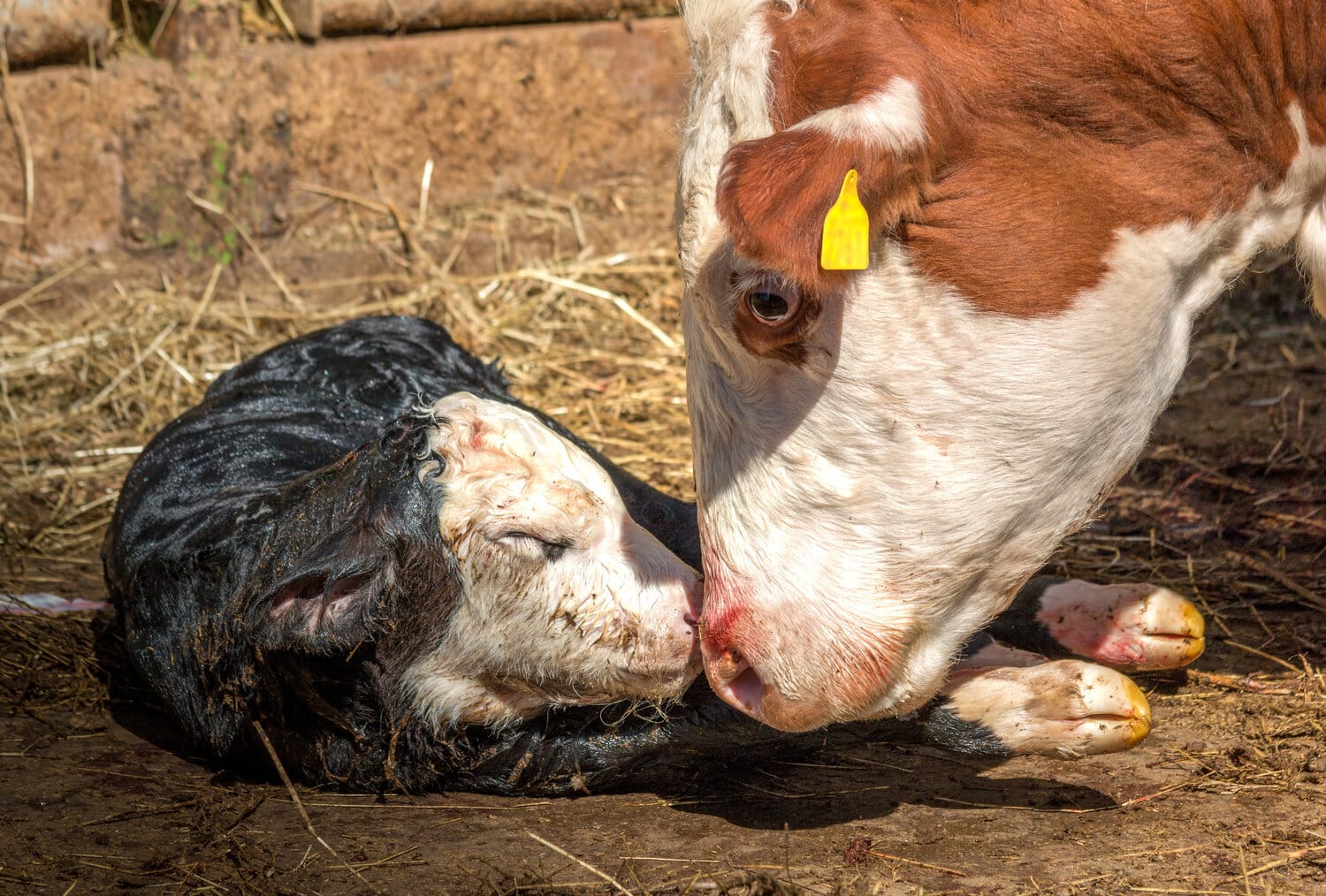
Mother and newborn prior to separation
In industrial dairy, the calf is often moved away before that relationship can fully unfold. The industry may argue that early separation prevents a stronger bond from forming and reduces later distress. That argument should make us pause. Imagine designing a system around the idea that it is better to interrupt a bond quickly because allowing the bond to deepen would make the separation more painful.
That is not exactly the heartwarming story on the carton.
03
What Happens to the Mother?
When people talk about dairy calves, the focus is often on the baby. That makes sense. The calf is vulnerable, newly born, and dependent. But the mother matters too.
A cow who has just given birth is not an empty container waiting to be milked. She is a mother in the immediate aftermath of labor. Her body has produced colostrum, the first milk rich in antibodies and nutrients for her newborn. Her instincts are active. Her attention is on her calf.
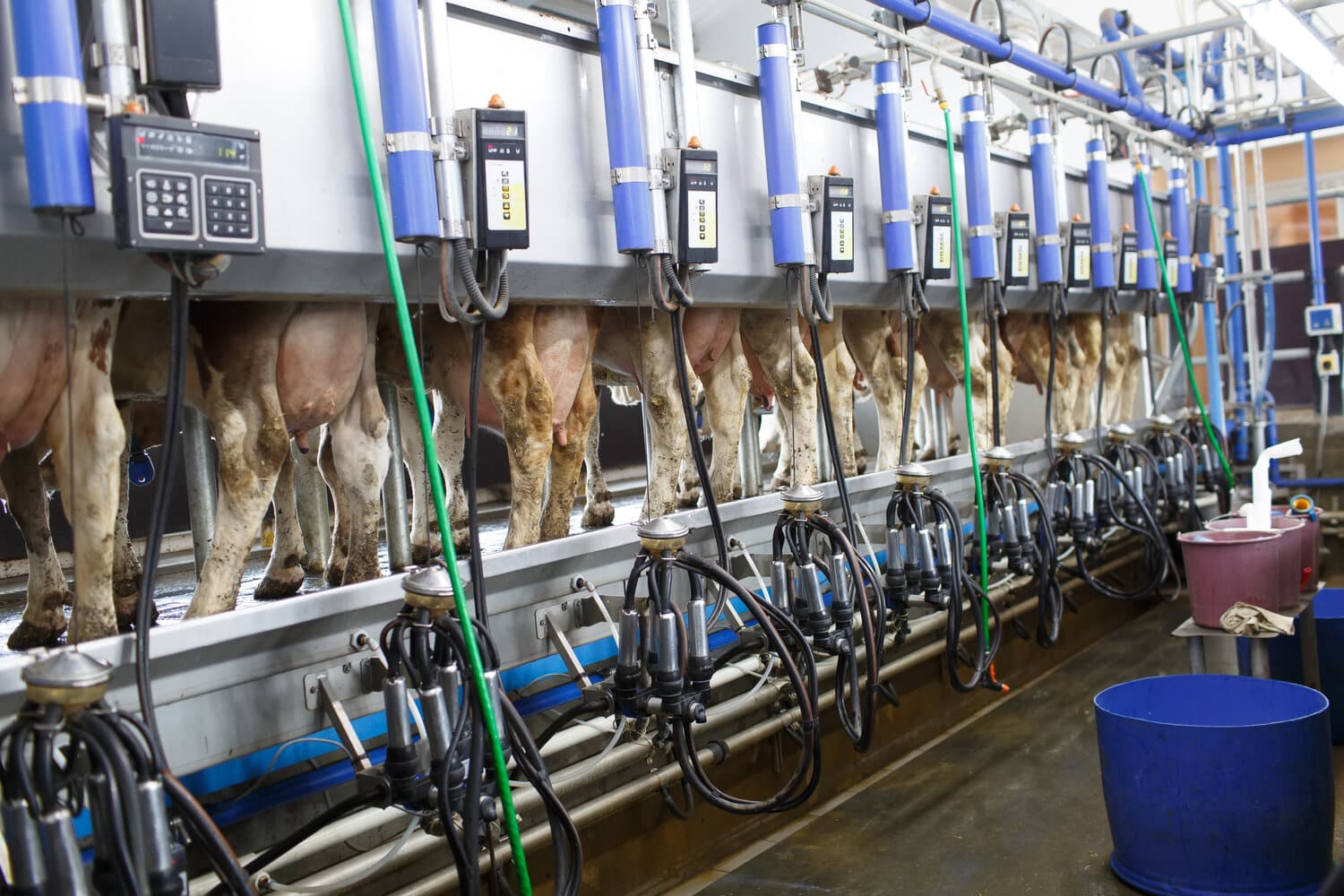
Back to the parlor
Then the calf is moved away. The mother is returned to the production system. She will be milked for months. After a brief dry period, usually about six to eight weeks, she will give birth again and the cycle will restart.
Her calendar
Her next lactation starts the day her calf leaves.
Day 0
she gives birth
Day 1
usually by now, the calf has been removed
Months
she is milked
Next
she is bred again, while still being milked
6–8 wks
a short rest: the dry period
Again
she gives birth, and it starts over
This is the part of dairy that is almost never shown in advertising: motherhood turned into a schedule. Birth is not treated as a sacred event between mother and baby. It becomes the start of another lactation cycle.
I know the word “sacred” may sound dramatic to some people. Fine. Use another word: natural, intimate, biological, ancient, obvious. Whatever word makes everyone comfortable at the corporate meeting.
The truth does not change. Milk begins with birth, and industrial dairy separates the mother from the baby so the milk can be sold.
04
What Happens to the Calf?
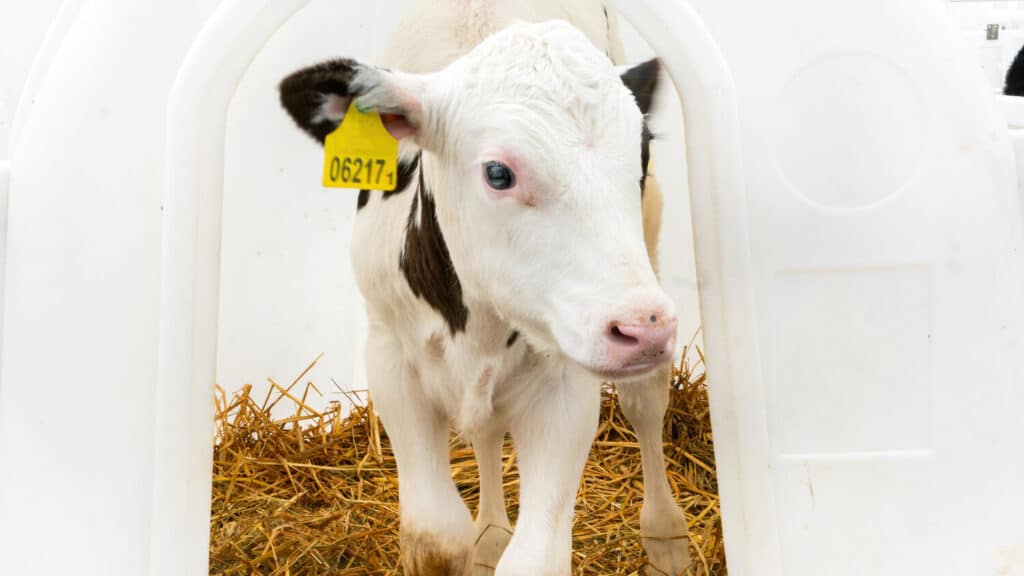
Once separated, calves are usually raised apart from their mothers. Some are housed individually, especially when very young. Some are fed milk or milk replacer by bottle, bucket, or automated feeder. The goal is to control intake, monitor health, and manage calves efficiently.
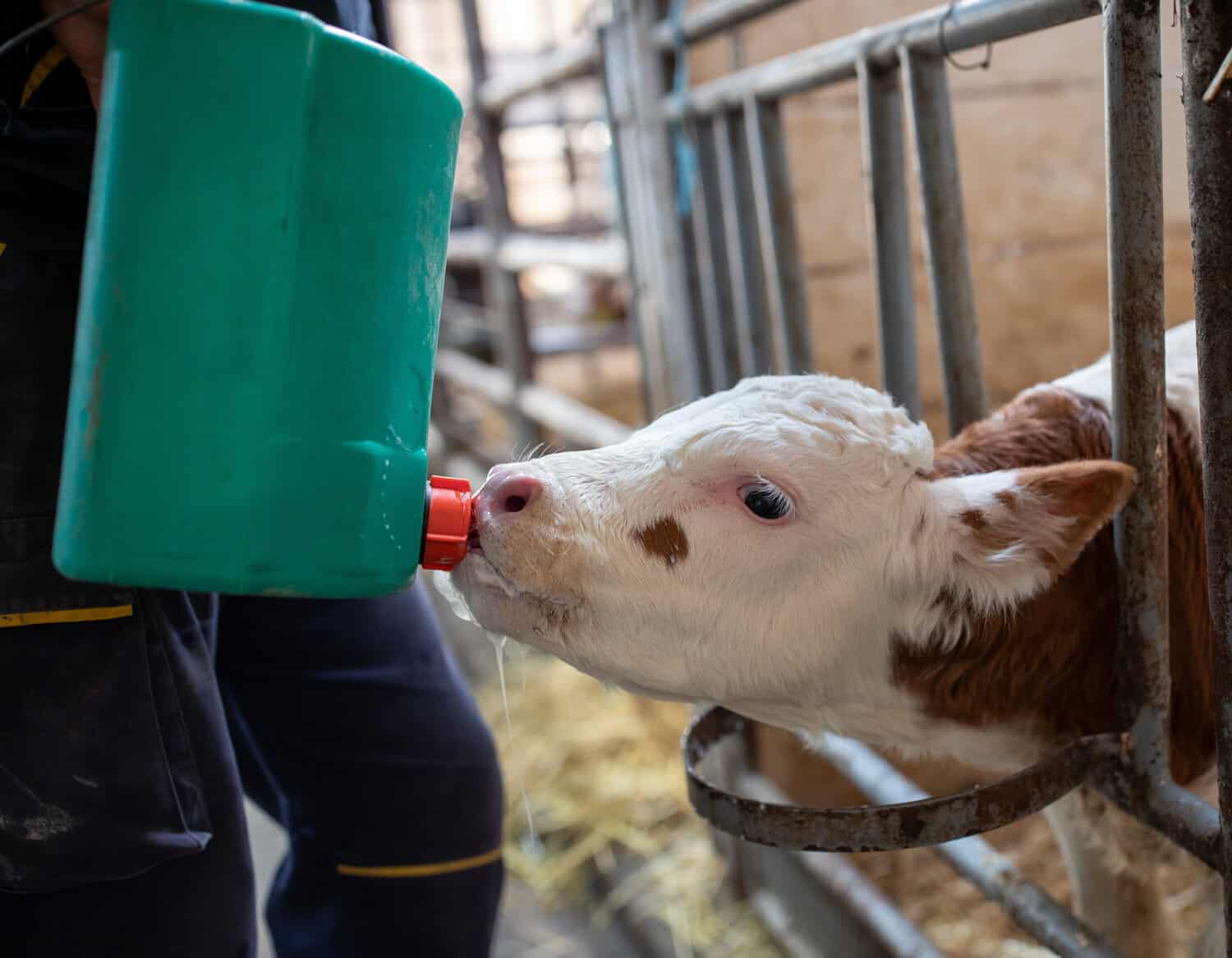
Bucket feeding
Day one, two directions
The calf and the milk leave the same birth in different directions.
The calf
Moved away, raised apart, often alone when very young, fed by bottle, bucket or feeder.
The milk
Cow to tank to truck to processor to store, as quickly and consistently as possible.
The milk was made for her. It goes to the store.
Female calves may be raised to become future dairy cows. If they enter the milking herd, they will eventually be bred, give birth, produce milk, and become part of the same cycle their mothers lived through.
Male calves face a different reality. Because they cannot produce milk, they are often worth far less to the dairy system. Some are raised for veal. Some are raised for beef. Some are sold very young. Their lives are shaped by the fact that they were born into a system that needed their mother’s milk, but did not need them.
That sentence is hard to write. It should be hard to read.
Because male calves are not mistakes. They are not waste. They are not byproducts. They are animals born into a system that has no maternal place for them and limited economic use for them.
That is not nature. That is industry.
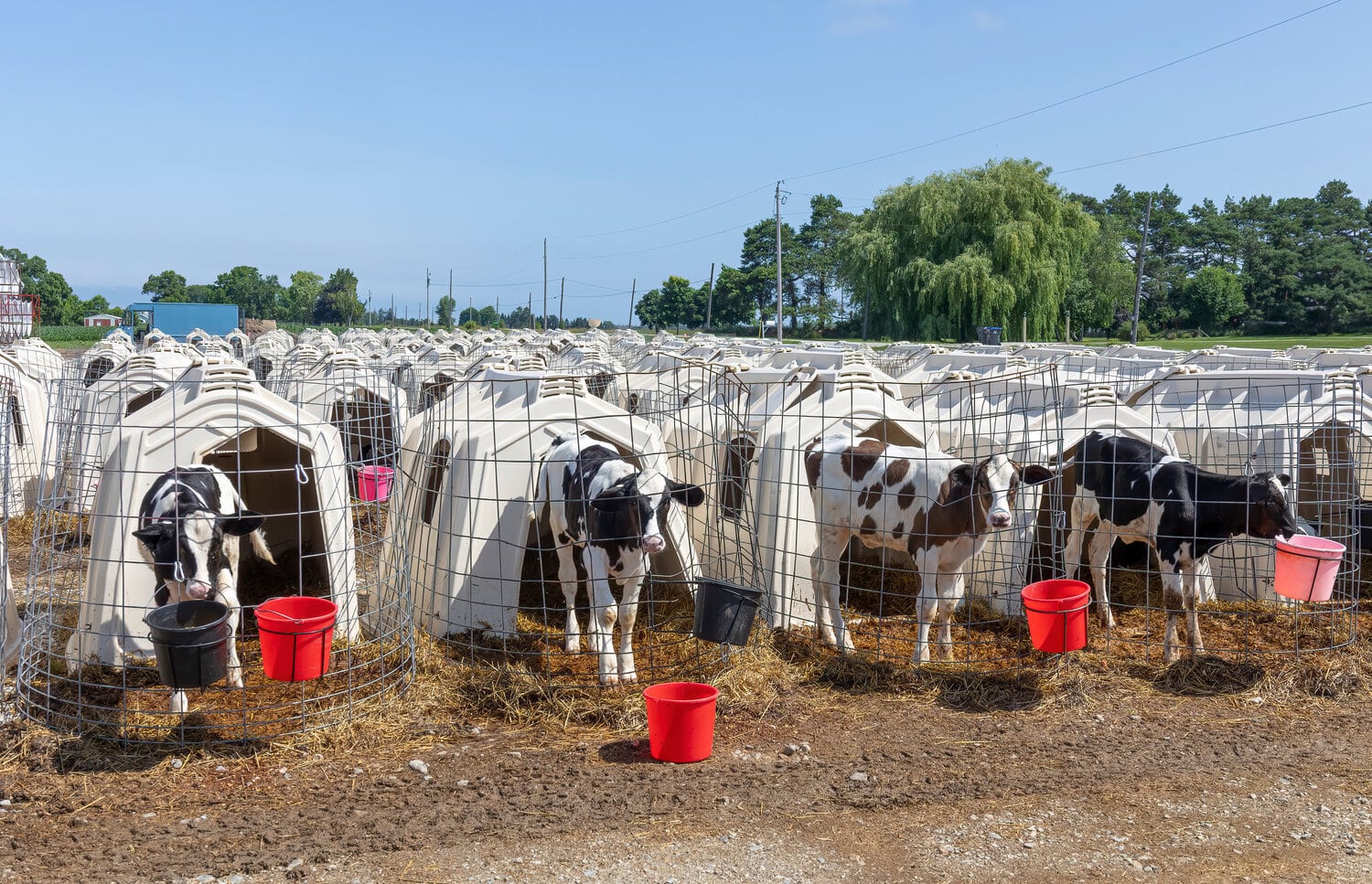
Raised apart
05
But Farmers Care About Their Animals
Many do. This conversation falls apart when we turn farmers into villains and consumers into saints. That is not reality. Many dairy farmers work brutally hard. Many care about their animals. Many are trying to survive in a system of debt, low margins, volatile prices, consolidation, and pressure to produce more milk for less money.
The problem is not that every farmer is heartless. The problem is that the system rewards output.
It rewards volume, efficiency, predictability, and low cost. It rewards milk that can move from cow to tank to truck to processor to store as quickly and consistently as possible. It rewards a supply chain where consumers can buy milk almost anywhere, at almost any time, often for less than the true cost of producing it humanely.
Who pays for cheap milk
When a system is built around cheap abundance, someone pays.
Sometimes
The farmer
Sometimes
The land
Sometimes
The worker
First
The cow and calf
In dairy, they pay first.
06
Why This Feels So Personal
Maybe this issue hits hard because it begins with something almost everyone understands: a mother and a baby.
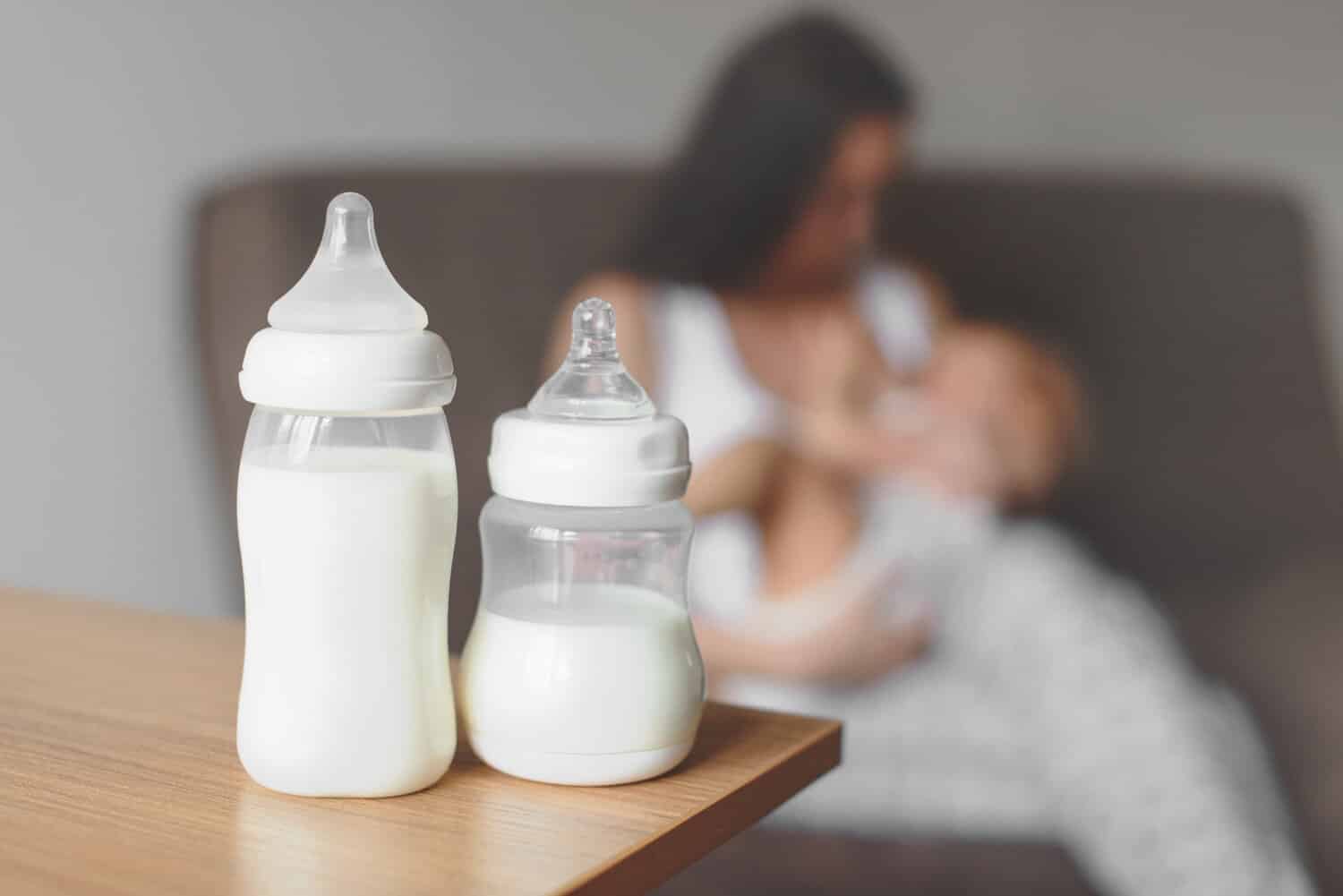
A bond we recognize
You do not have to be vegan to understand that separation hurts. You do not have to be an activist to feel that something is wrong when a newborn is taken from her mother so humans can take the milk. You do not even have to hate dairy. You can love butter, adore cheese, put cream in your coffee, and still be honest about where it comes from.
That is the uncomfortable place where Intentional Cooking lives — not in perfection, but in honesty.
We are allowed to enjoy food and still ask hard questions about it. We are allowed to change slowly. We are allowed to say, “I did not know this before, and now that I do, I need to think differently.”
That is not guilt. That is growth.
07
The Marketing Problem
Dairy marketing has done an extraordinary job of separating milk from motherhood.
The cow on the carton is always cheerful. The field is always green. The barn is always charming. The milk is always “fresh,” “pure,” “natural,” and “wholesome.”
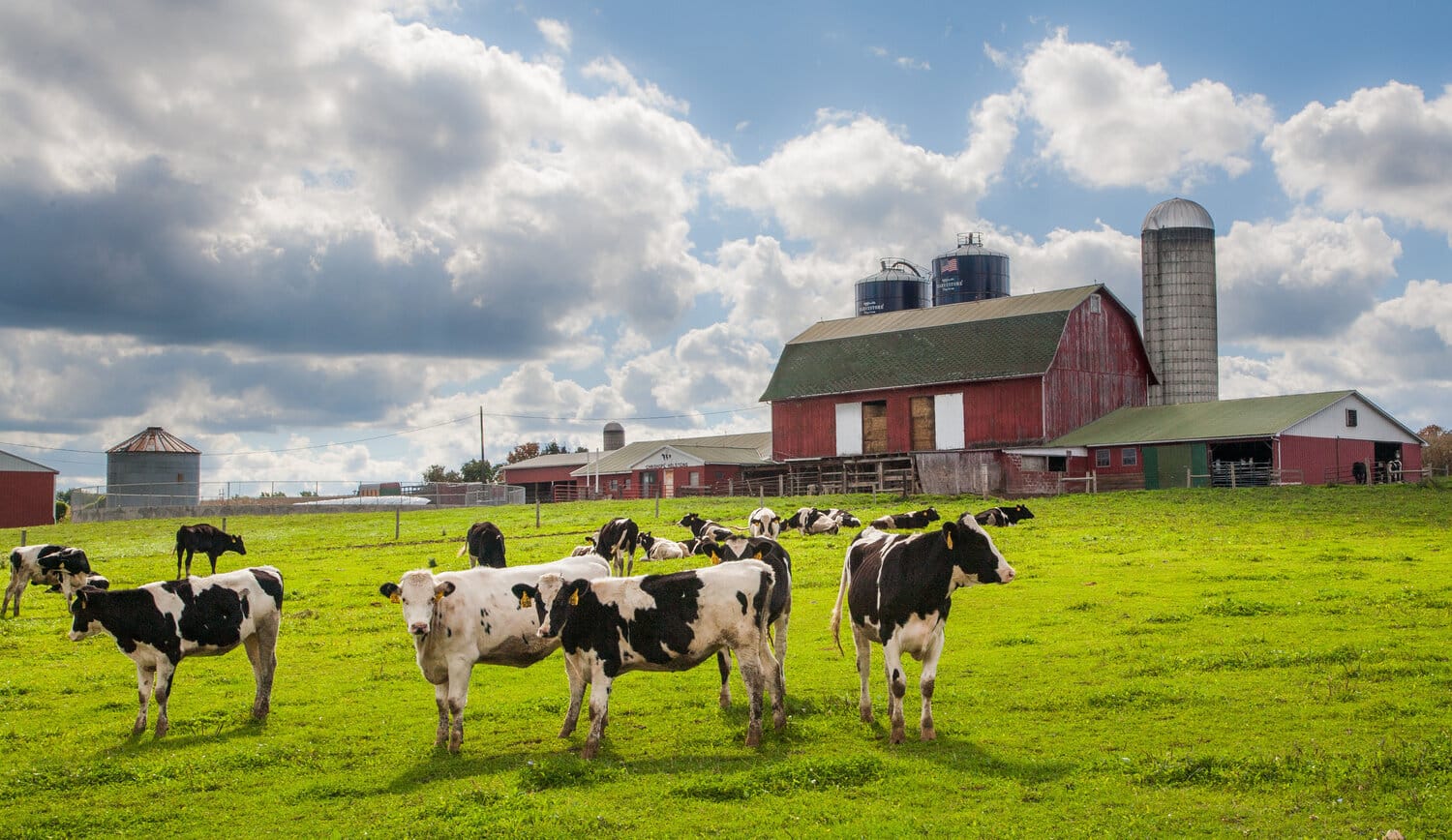
The farm we picture
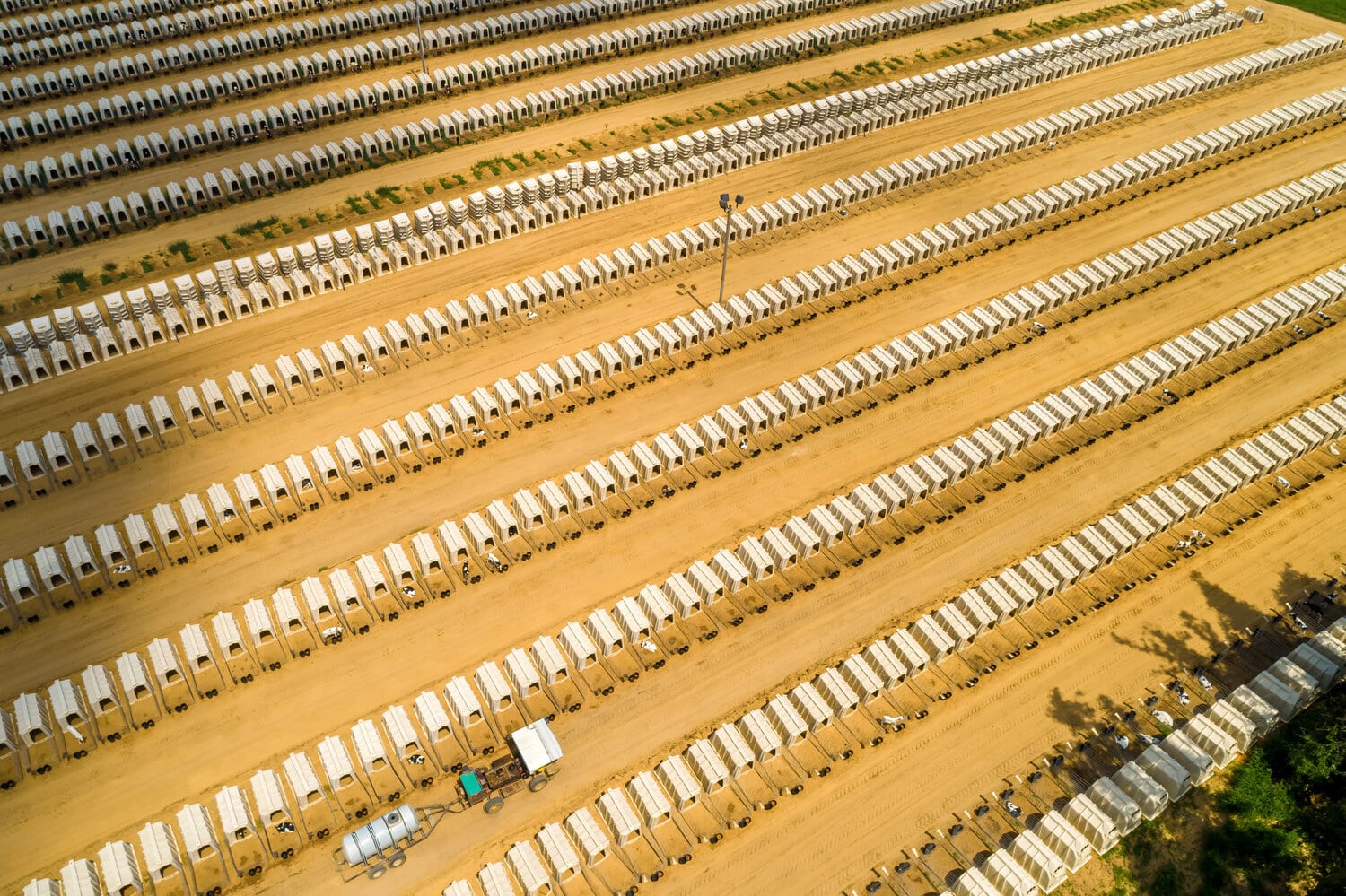
In the system
The same product, in two pictures.
No one puts a calf hutch on the front of the carton. No one writes, “Produced after repeated pregnancy and calf separation” under the brand name. No one shows the mother calling.
Because if the full story were visible, many people would hesitate before pouring. That hesitation is exactly what the industry avoids.
And that hesitation is exactly what awareness creates.
08
Is There a Better Way?
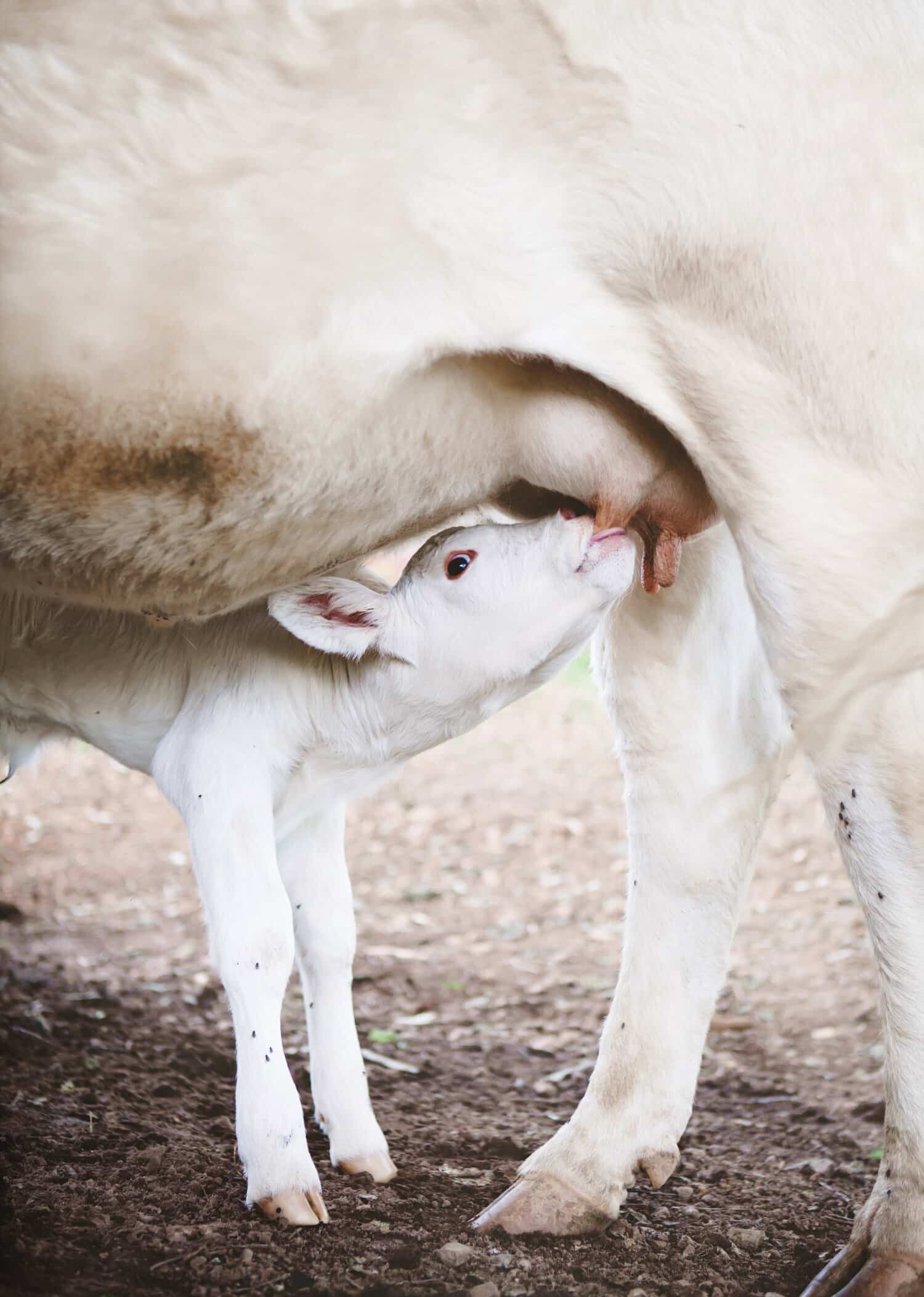
Some farms are experimenting with more cow-calf contact, delayed separation, nurse cows, or systems where calves stay with their mothers longer. These models are not perfect, and they are not always easy to scale. They can mean less saleable milk, more labor, more cost, and more management challenges.
The cow-calf contact spectrum
Separation isn’t a yes-or-no question. It’s a range, and each step can cost something.
Use these words when you ask a farm.
Stop 1
Immediate separation
Within hours of birth. Where most calves are.
Stop 2
Delayed separation
The calf stays with her mother longer before they are separated.
Stop 3
Partial daytime contact
Calf and mother share part of each day.
Stop 4
Nurse-cow systems
Calves are raised by a nursing cow, not always their mother.
Stop 5
Full contact until weaning
Calves stay with their mothers.
But the fact that alternatives are complicated does not mean the current system is acceptable. It means we need to ask better questions.
Can calves stay with their mothers longer? Can separation be gradual instead of sudden? Can farms be paid enough to raise animals more humanely? Can consumers support higher-welfare dairy when they choose dairy? Can we reduce dairy consumption overall so the pressure for cheap, constant production decreases?
Cow-calf contact
Can we stop pretending that the cheapest milk is the best milk?
These are not small questions. They are food system questions. And if we care about food, we have to care about the system that produces it.
09
What Can We Do in Our Own Kitchens?
This is where we begin — not with shame, but with awareness.
We can use less dairy. We can choose dairy more carefully when we buy it. We can look for farms that are transparent about how calves are raised. We can ask whether calves are separated immediately or allowed more contact with their mothers. We can support higher-welfare systems when they are available and affordable. We can try plant-based options in recipes where they make sense.
We can also stop using dairy as an invisible default. That may be the biggest shift.
Milk, cream, butter, yogurt, and cheese should not be mindless ingredients. They should be conscious ones. If we choose them, let us choose them with our eyes open.
Not every meal will be perfect. Not every choice will be ideal. We live in the real world, with budgets, families, traditions, cravings, and grocery stores that do not always carry our values in convenient little packages.
But we can begin by telling the truth.
This Is Intentional Cooking
For milk, the answer begins with a mother and a calf.
Intentional Cooking is the practice of looking at food honestly — not just how it tastes, but what it asks of the world.
When it comes to dairy, the question is not only, “Do I like milk?” or “Does this cheese make the recipe better?” Sometimes the question has to be deeper: what happened before this ingredient reached my kitchen?
For milk, the answer begins with a mother and a calf.
Four questions to ask a dairy farm
When are calves separated from their mothers?
Do calves get any time with their mothers?
How are the calves raised?
Where do the male calves go?
That truth deserves to be seen. Not because awareness makes us perfect, but because awareness makes us responsible. And responsibility, repeated over time, can become a movement.
So the next time you see milk, pause for a moment. Ask where the calf is. Ask what the mother lost. Ask whether the system deserves your automatic trust.
Then cook like it matters.
Let’s talk about cooking with purpose.
Intentional Cooking is not fancy. It is honest. Every ingredient matters. Make it yours.
Frequently Asked Questions
Why are calves separated from their mothers?
The reasons usually given are disease prevention, colostrum control, easier feeding and monitoring of the calf, easier management of the cow and milk collection.
When are dairy calves usually separated?
In most industrial dairy systems, calves are separated within hours of birth, usually within the first day.
What happens to the mother after her calf is taken?
She is returned to the milking herd. She will be milked for months, given a brief dry period of about six to eight weeks, then give birth again.
What happens to calves after separation?
They are usually raised apart from their mothers, often in individual housing when very young, and fed milk or milk replacer by bottle, bucket or automated feeder.
What is cow-calf contact dairy?
It describes farms that keep calves with their mothers longer, through delayed separation, partial daytime contact, nurse cows or full contact until weaning.
Why isn’t cow-calf contact more common?
It can mean less saleable milk, more labor, more cost and more management challenges, which makes it harder to scale.
The dairy loop
This article sits at one point in the loop: birth, when the calf and the milk are separated.
Pregnancy
bred again
→
Birth & separation
usually within the first day
→
Lactation
milked for months
→
Dry period
6–8 weeks, then again
↺
Calves & cows
female calves rejoin · males & cull cows leave
→
Processing
tank · truck · plant
→
Carton & label
the claim is set here
→
Kitchen
your recipe
■ The part this article covers
▢ Covered by the companion pieces below
↺ The cycle starts again with the next calf
The Intentional Cooking Series: Dairy
5 Articles

Part 1 · The System
Part 2 · You Are Here
Why Are Calves Separated From Dairy Cows?
Part 3 · Male Calves
Part 4 · Labels
Part 5 · Alternatives
Leave a Reply