Health & Healing: Using Food to Support Your Well-Being
We’ve been taught to think about food in extremes. Healthy or unhealthy. Good or bad. Allowed or forbidden.
But real health doesn’t work that way. Food is something we interact with every single day, and over time, those daily choices shape how we feel – physically, mentally, and emotionally.
Intentional Cooking isn’t about following strict diets or chasing perfection. It’s about understanding how food affects your body, and using that knowledge to support your well-being in a way that actually fits your life.

Start Here: Nourishment Without Extremes
When it comes to diet and the healing power of food, the best way to achieve success is by making small, but consistent changes.
The all-or-nothing-at-all approach hardly ever makes a lasting impact. In addition, healing in a more “natural way”, takes time, and a bit of effort. Thankfully, the results are always long lasting and rewarding.
Instead of trying to do everything at once or thinking that you need to spend crazy amounts of money on specialty items or superfoods – focus on:
- Creating patterns and habits that can last
- Eat more real food
- Eat less processed foods
- Avoid ultra-processed food
The Modern Food Reality
Instead of offering nourishment, most of the food available today is designed for:
- Convenience
- Shelf life
- Industrialized mass production
Consumer appeal – through marketing tactics, flavor engineering, and convenience driven design.
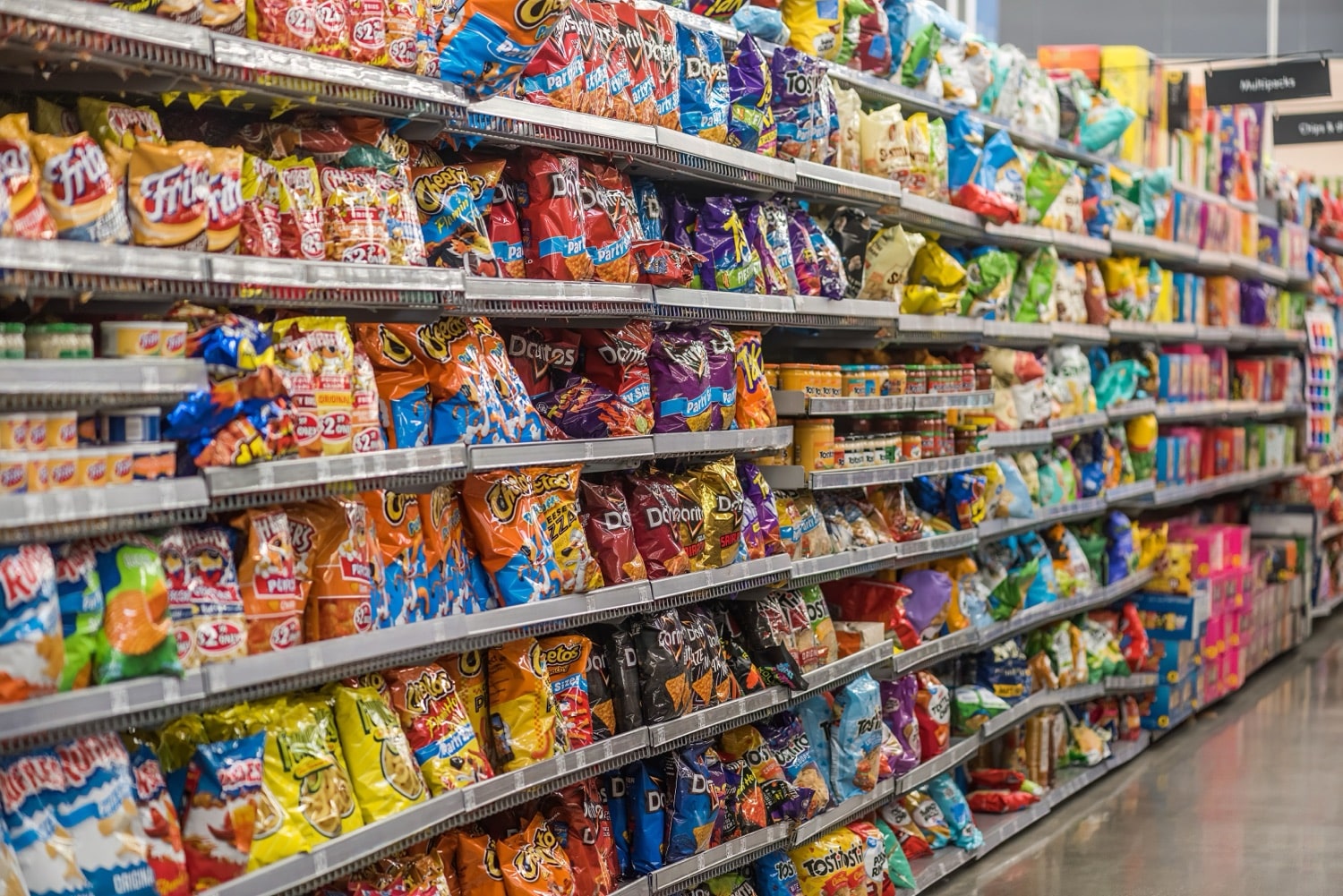
Supermarkets, grocery stores and fast food restaurants are packed with highly processed foods, engineered for taste and carefully crafted to be addictive and convenient.
At the same time, we’re flooded with conflicting nutrition advice, marketing campaigns, ever changing trends, experts and celebrities telling us what we “should” eat.
It is confusing, overwhelming, and honestly – exhausting.
Misleading Labels and Food Marketing
Food labels can be confusing and sometimes misleading.
Terms like “low fat”, “natural”, “high protein”, and “made with real ingredients” – often highlight one positive feature while ignoring the full picture. A product can sound healthy and look nutritious while still being highly processed.
Understanding labels and reading beyond the front of the package, is one of the most powerful tools you have.
What Ultra-Processed Foods Really Are
Ultra-processed foods are not just “convenient.”
These types of foods are cheaper to produce, have been significantly altered from their original form, and are usually made with ingredients you wouldn’t typically keep in a home kitchen.
They usually include:
- Additives and preservatives
- Added sugars
- Refined oils and engineered fats
- Artificial flavors, colors, and stabilizers
They appeal to the consumer because they are quick, easy and require little to no preparation. These products have a longer shelf life and are often “a better deal” financially than real, wholesome food.
What This Looks Like in Real Life
Ultra-processed foods aren’t always obvious.
These are the meals many of us grew up with or still rely on today.
Some are clearly packaged as snacks and fast food, but many are everyday meals that feel familiar, convenient, and even comforting.
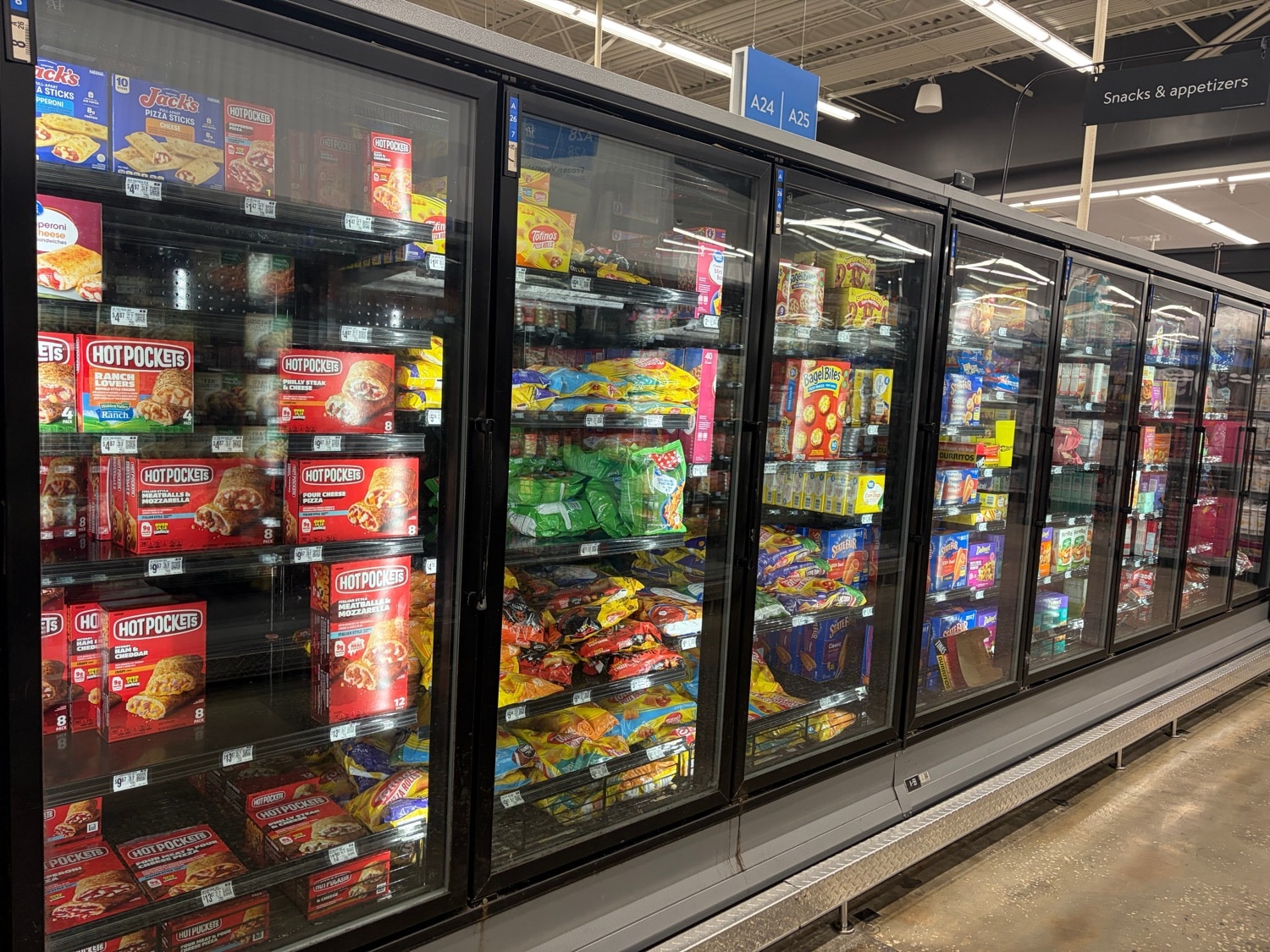
Some examples are:
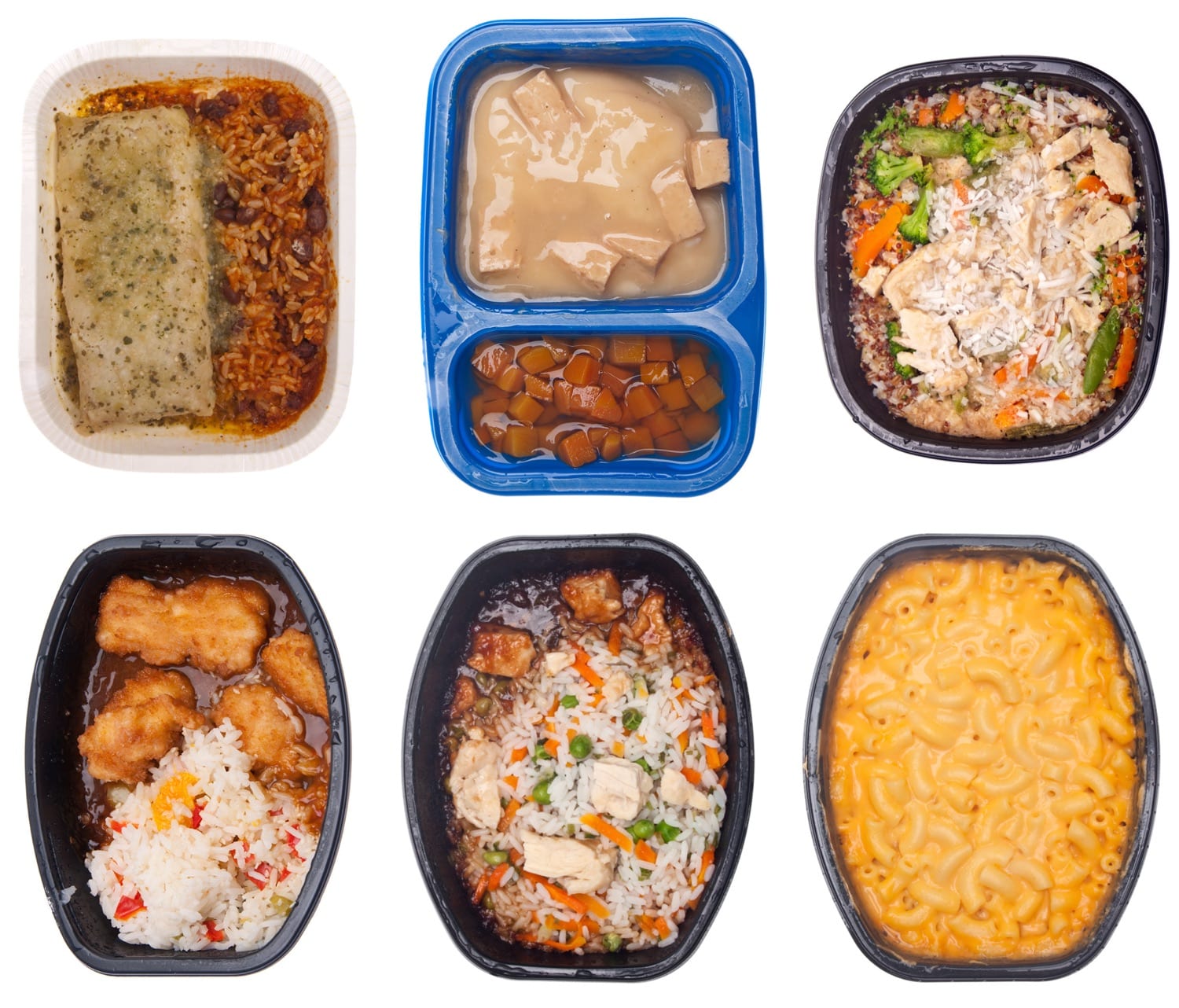
- Frozen meals such as lasagnas, pizzas, pasta dishes, fried foods and casseroles.
- “TV dinners” or ready-to-heat meals.
- Meal kits, sauces and condiments (with long ingredient lists).
- “Plant-based” meat alternatives that are heavily processed and made with engineered ingredients.
- “Fruit-based” products made with little actual fruit
- Baked goods and desserts made with additives and hard-to-pronounce ingredients.
- Foods promoted for one benefit (like protein or fiber) while still being highly processed
Many of these foods are made with:
- Inexpensive, industrially produced ingredient
- Industrially farmed meats and produce
- Additives to improve texture, flavor, and shelf life
- Preservatives that allow them to last for weeks or months
This is where it gets confusing – because these foods don’t always look unhealthy. In fact, many of them are designed to look like real, home-cooked meals.
How the Food System Affects Your Health
Your health is not only shaped by what you eat but also by how that food was produced.
Modern food systems often involve:

Animals raised in industrial farms, under questionable conditions and poor diets.

The use of antibiotics and growth hormones.

Crops grown with chemical inputs.

Diets dominated by a few staple crops like corn, wheat, and soy.
This system is not designed to help our bodies heal. It’s designed for profit.
Using Food as Medicine
Food has the ability to support healing. Not in an overnight, dramatic way, but over time.
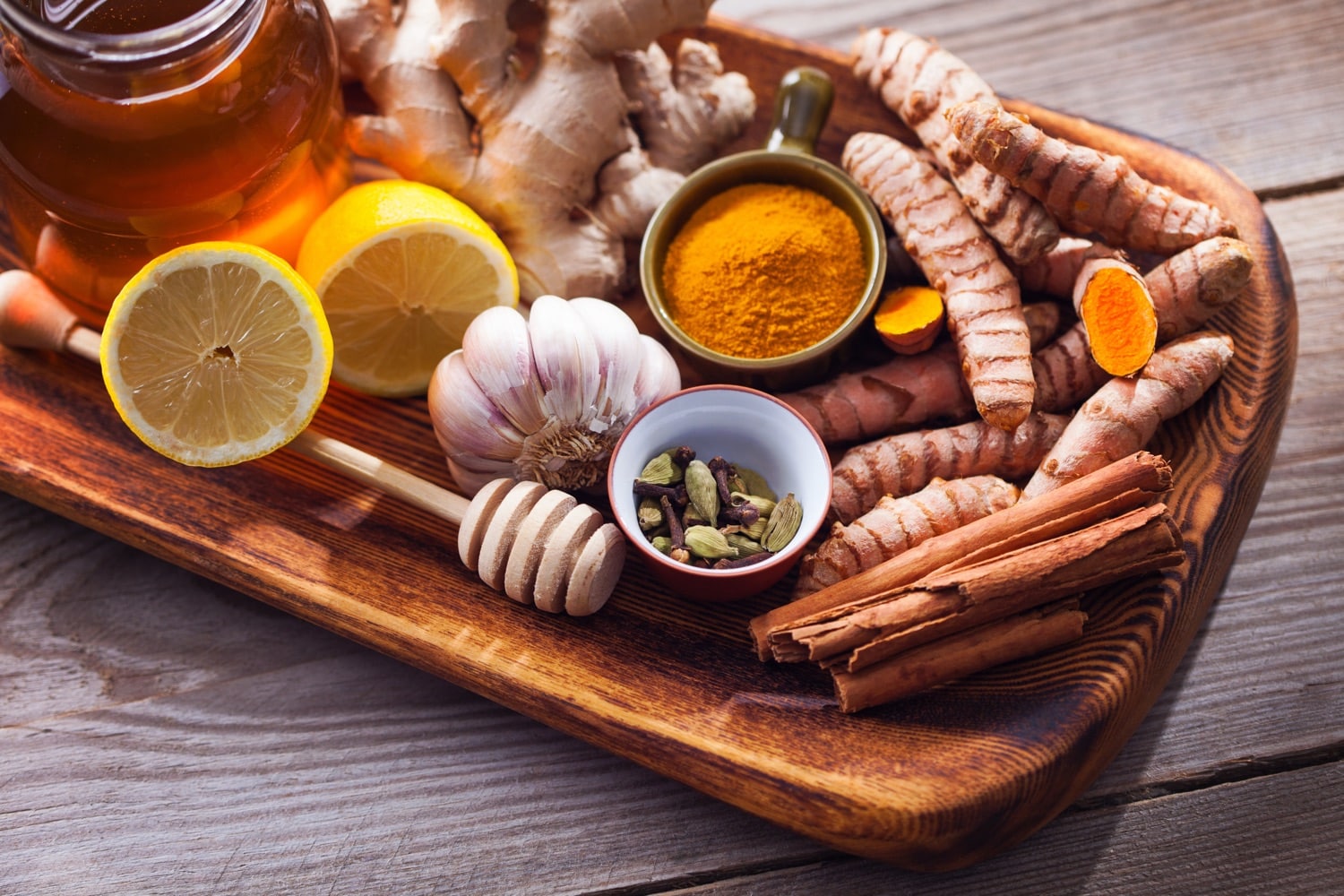
Whole foods, plants, herbs, and simple ingredients have been used for generations to support health. They provide nutrients your body needs, supports your immune system and helps regulate energy and mood.
But real healing takes time, requires consistency, and involves effort and planning.
Masking symptoms may take as little as one single pill, but real healing is a process.
A process worth doing.
Small Shifts That Support Your Health
You don’t need to change everything overnight. Stressing about it won’t help either but here are a few tools that may make the process easier:
- Cook more meals at home when possible
- Include more whole, minimally processed foods
- Read ingredient labels
- Know where your food comes from
- Pay attention to how food makes you feel
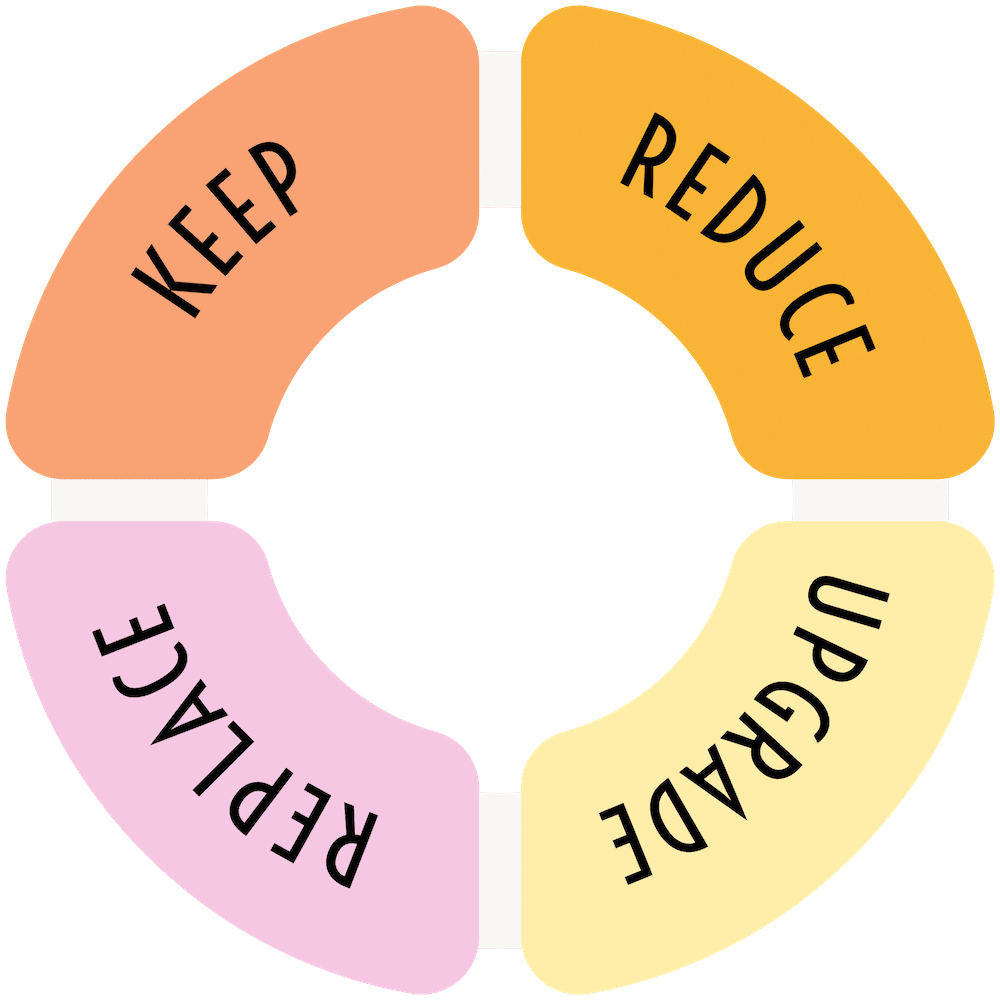
Keep / Reduce / Upgrade / Replace
Keep
- Meals that nourish and satisfy you
- Foods that bring comfort and joy
- Routines you can maintain
Reduce
- Ultra-processed foods
- Added sugars and excess additives
- Reliance on convenience as a default
Upgrade
- Eat more whole foods to your diet
- Improve ingredient quality as time and budget permits
- Create balanced meals
Replace
- processed snacks → simple whole options
- sugary drinks → better alternatives
- extreme diets → sustainable habits
Making Choices Without Judgment
There will be times when you choose convenience over anything (I know I have). You will be seduced by incredibly good looking junk food once in a while – heck, you may even pick up questionably looking food items at a gas station just because you can!
That is OK. That is normal. But it doesn’t mean you’ve failed.
It simply means you’re living real life.
Intentional Cooking is about: doing your best consistently-not perfectly.
Why This Matters
When you understand how food affects your body:
you feel more in control
you make more confident decisions
you reduce confusion
you build habits that last
This isn’t about perfection.
It’s about creating a way of eating that supports you-long term.
Learn About All 8 Intentional Cooking Pillars





Intentional Cooking Starts Here
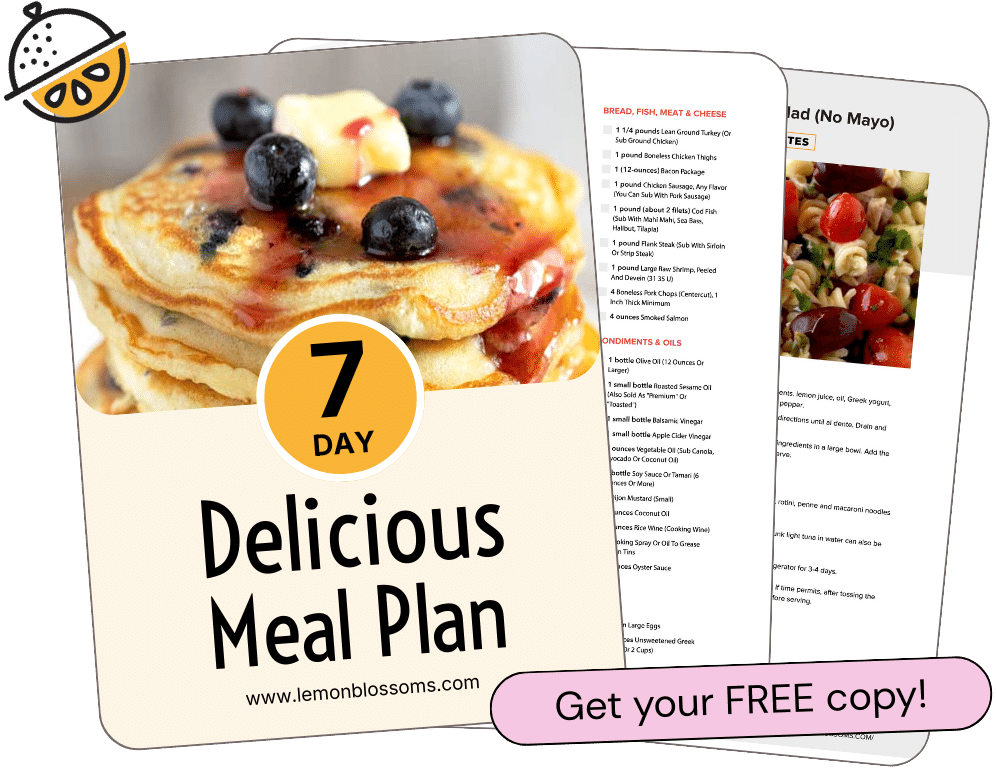
Try our 7-day meal plan, making one small change with each recipe to work toward your goals with us.