Animal Welfare in the Kitchen: How to Make More Humane Food Choices
Making More Conscious Choices About Animal Products
When we think about the food we cook and eat, we often focus on flavor, nutrition, or cost. But behind every egg, glass of milk, or piece of meat is a living animal and a production system that determined how that animal lived.
Animal Welfare is one of the core pillars of Intentional Cooking because how animals are raised affects not only their quality of life, but also the quality of the food we bring into our kitchens.
This page is not about telling you what you should or shouldn’t eat. It’s about understanding how the system works so you can make choices that align with your values, your budget, and your real life.
There is no all-or-nothing approach here. Small changes matter.

Start Here
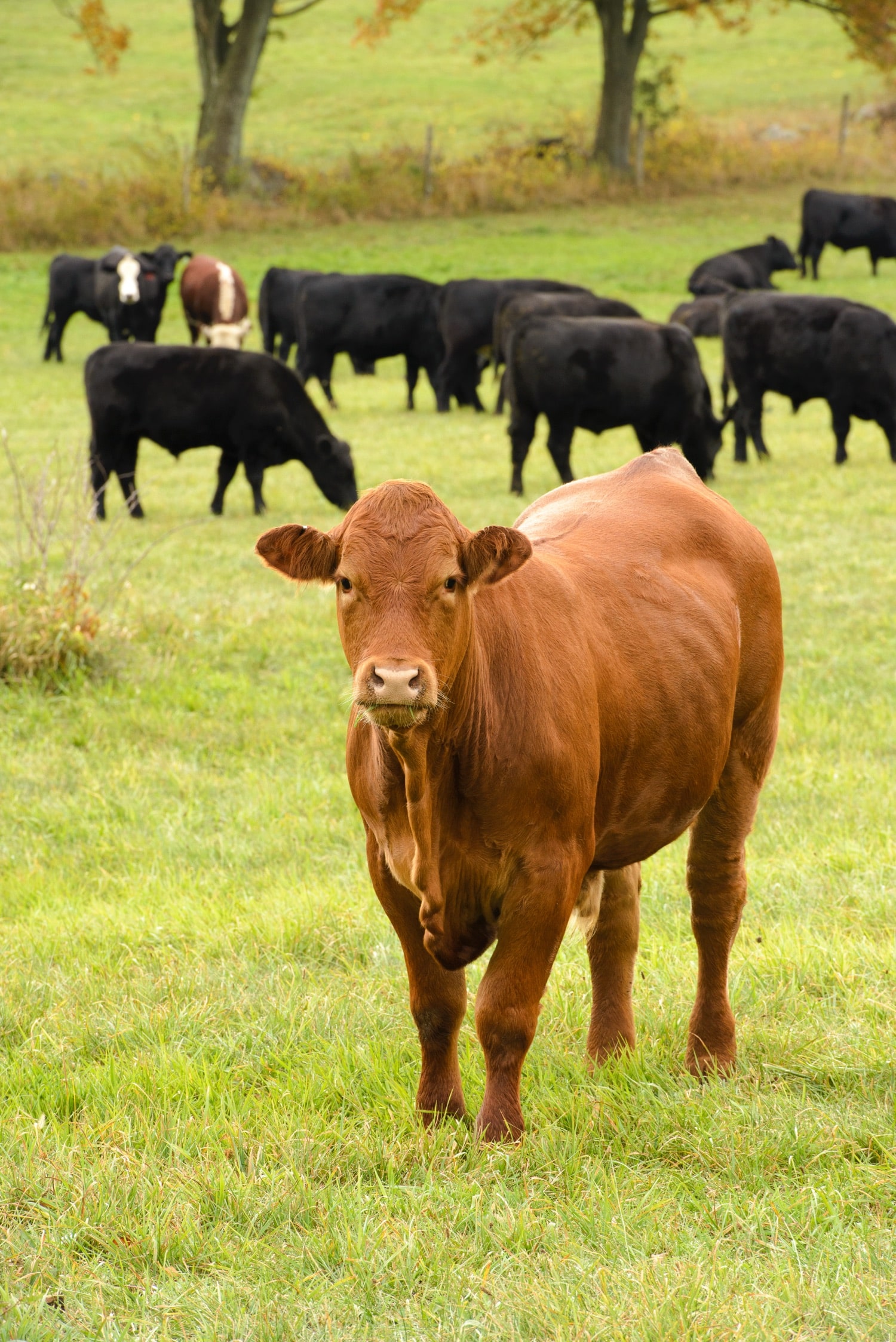
Pick one category: eggs, poultry, dairy, or beef. Make one small change this week. Repeat when ready.
What Animal Welfare Means
Animal welfare refers to the living conditions and treatment of animals raised for food. At its core, good welfare means that animals are able to:
- Move freely and express natural behaviors
- Have access to clean food and water
- Live in safe, sanitary environments
- Experience minimal stress, injury, and disease
- Be handled and transported humanely
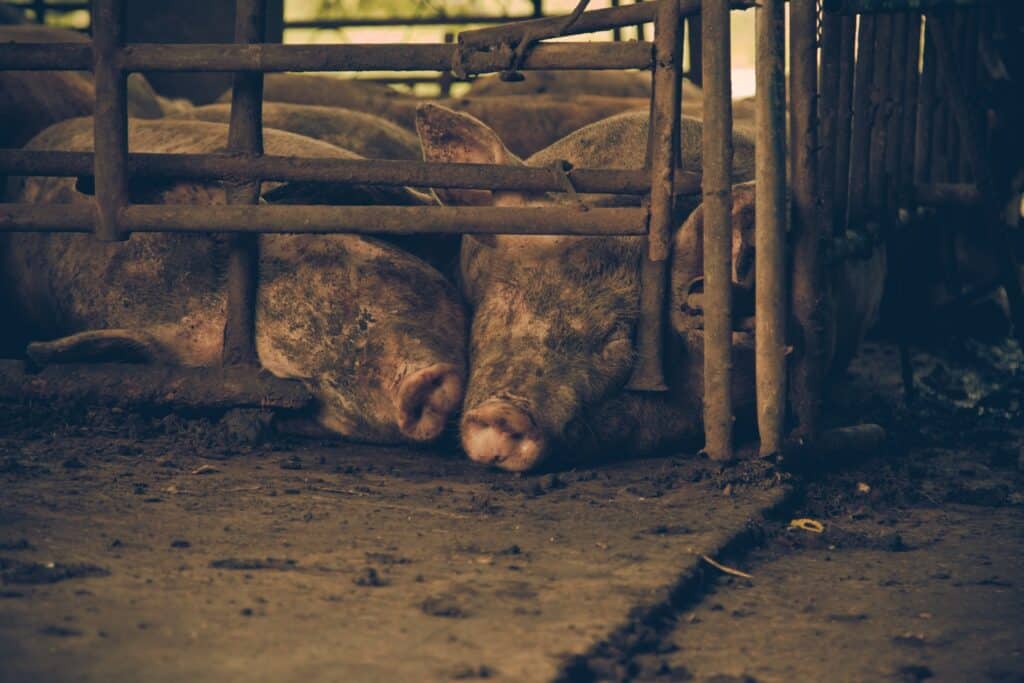
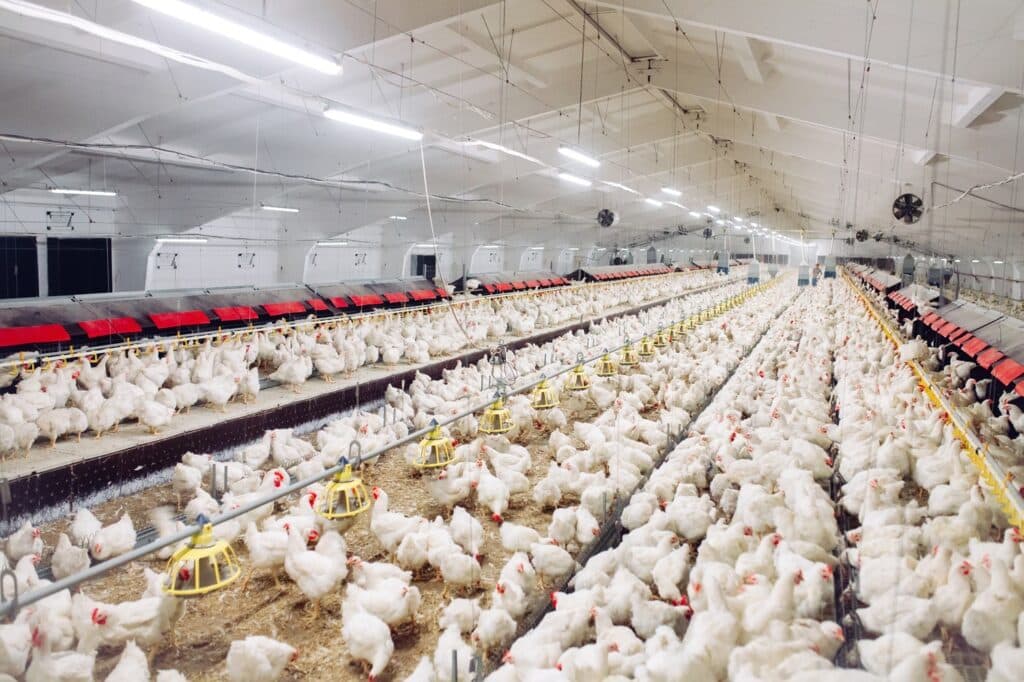
In industrial farming systems, production is designed for efficiency and high output. This often means large herd or flock sizes, limited space, and controlled environments that prioritize productivity over natural living conditions.
Understanding this reality helps us make more informed decisions when buying animal products.
The Reality of Industrial Animal Agriculture
Modern food systems are built to produce large quantities of affordable food. Industrial farms make this possible through:
- Large-scale confinement housing
- Fast growth or high production cycles
- Precision-formulated feed for maximum output
- Mechanized feeding and processing systems
- Tight reproductive schedules
Conditions vary widely between farms, and many farmers work hard to care for their animals. However, the pressure for efficiency and low prices creates trade-offs that often affect animal welfare.
Industrial farming is designed for profitable animals – not necessarily thriving ones.
The goal of Intentional Cooking is not to blame farmers or shame consumers, but to understand the system so we can make thoughtful choices when possible.
The Most Practical Approach: Buy Less, Buy Better
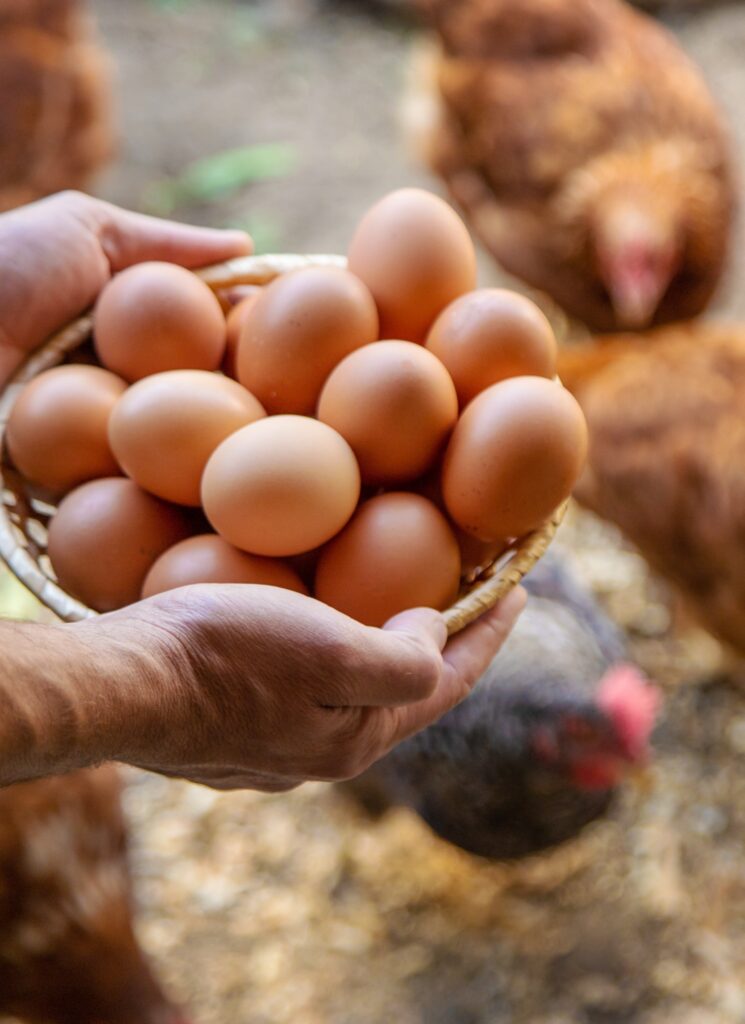
For most households, the most realistic way to support animal welfare is not to eliminate animal products entirely, but to shift how we buy and use them.
Consider the 80/20 approach:
- Use animal products more intentionally
- Plan meals to reduce waste
- Stretch higher-quality ingredients across multiple meals
This approach allows you to align your values with your budget.
Understanding Common Labels
Food labels can be confusing, and not all claims are regulated. Here’s a simple guide to what matters most.
Third-Party Animal Welfare Certifications
(Strongest Standards)
Look for independent programs that audit farms:
- Animal Welfare Approved (AGW)
- Certified Humane
- Global Animal Partnership (GAP)
These programs verify living conditions, space requirements, and humane handling.
USDA Organic
Organic certification requires:
- No antibiotics or added hormones
- Organic feed
- Access to the outdoors
While organic standards focus primarily on feed and medication, outdoor access requirements can improve living conditions compared to conventional systems.
Terms That Can Be Misleading
Cage-Free
Animals are not kept in cages but may still be housed indoors in crowded conditions.
Free-Range
Requires outdoor access, but the amount and quality of outdoor time is not clearly defined.
Natural
This term has little to do with how animals were raised and is largely a marketing claim.
Category by Category: Where to Start

Eggs (Best First Upgrade)
If your budget allows, look for:
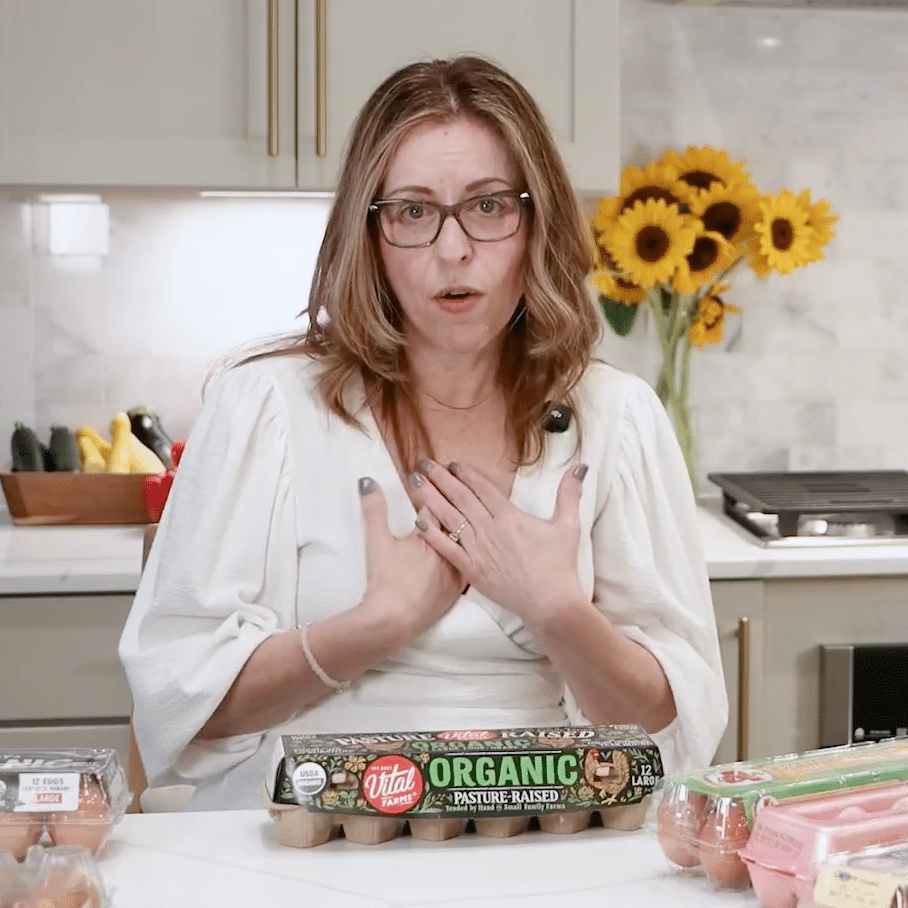
- Pasture-raised
- Certified Humane or Animal Welfare Approved
Eggs are often the most affordable place to support higher welfare standards.

Poultry
Better options include:
- Certified Humane
- Organic
- Pasture-raised
If these options aren’t accessible, consider using chicken less frequently and building more plant-forward meals.

Dairy
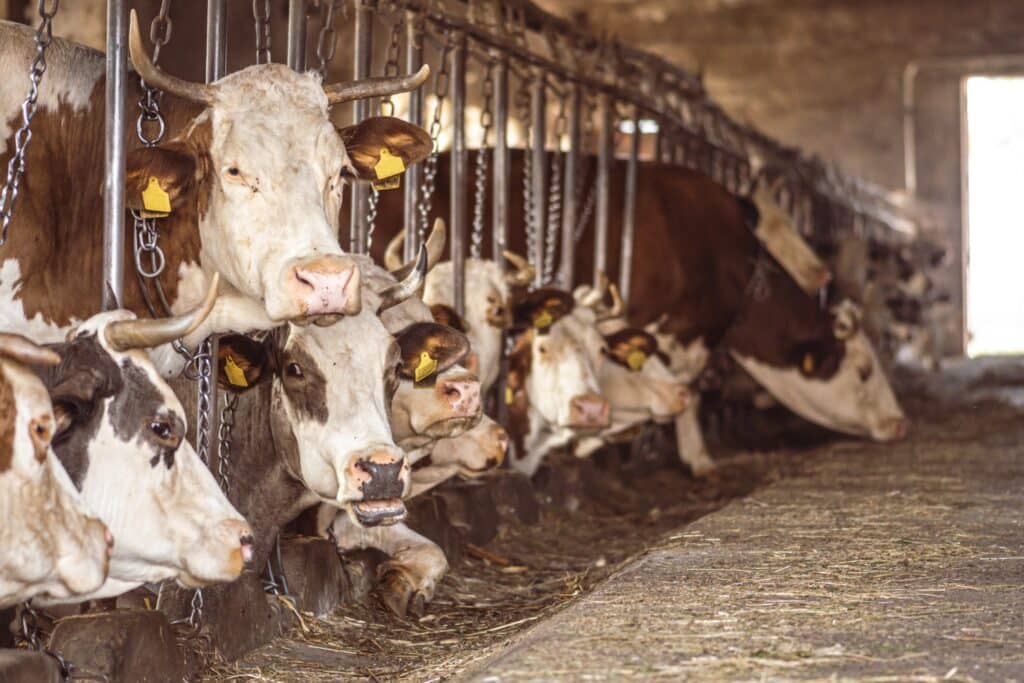
Animal welfare concerns in dairy systems often relate to:
- Continuous breeding cycles
- Calf separation after birth
- Indoor housing in large operations
If this is an area you care about, you can:
- Look for certified-humane dairy
- Buy from local or regional farms when possible
- Reduce overall dairy use
- Explore plant-based alternatives
(Link to: Industrial Dairy Farming Deep Dive)

Beef and Pork
When possible:
- Look for grass-fed or pasture-raised options
- Buy from local farms or butchers who can share sourcing information
- Use smaller portions and stretch across multiple meals
Keep / Reduce / Upgrade / Replace
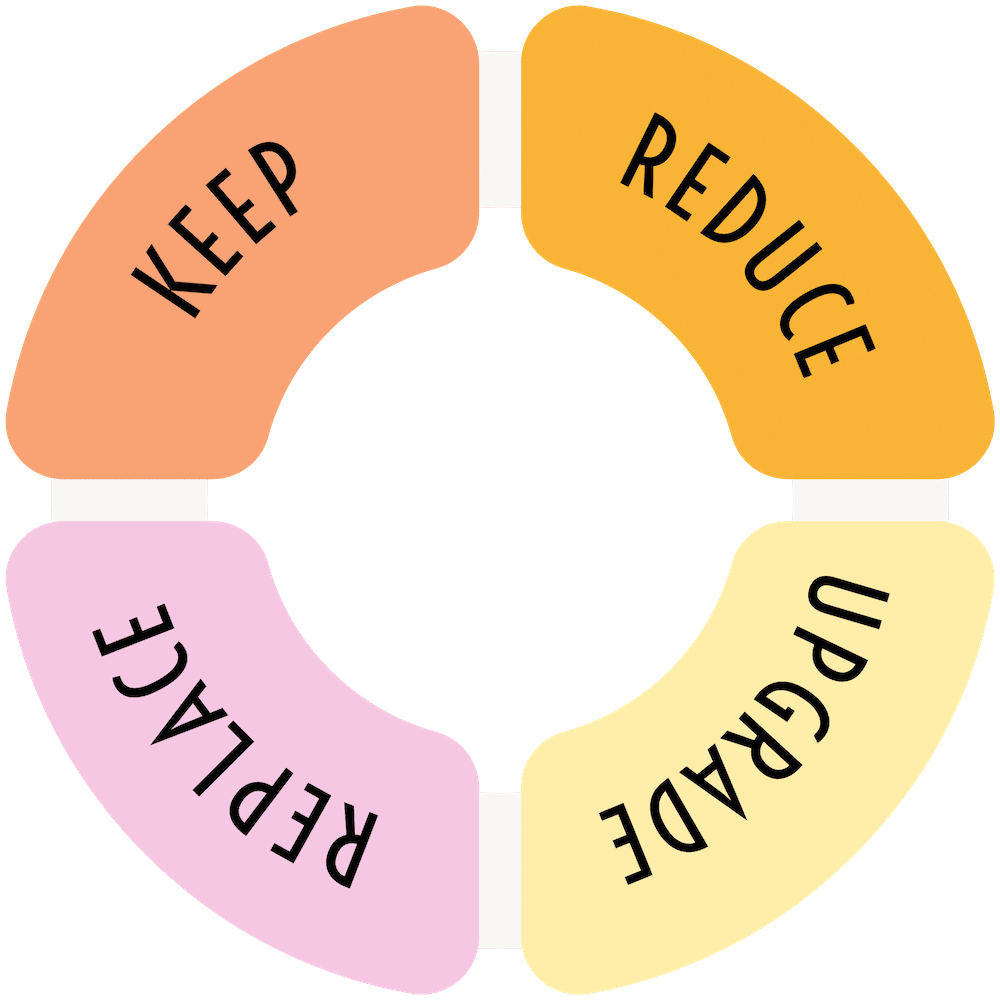
Intentional Cooking is about flexibility. When it comes to animal products, you might choose to:
Keep
Continue buying conventional products that fit your budget.
Reduce
Use animal products less often or in smaller amounts.
Upgrade
Choose higher-welfare options for one category when possible.
Replace
Incorporate more plant-forward meals.
There is no single “right” path. The right choice is the one you can sustain.
Making Choices Without Judgment
Access, budget, location, and time all influence what we can buy. Many families simply do not have affordable access to higher-welfare options.
Intentional Cooking recognizes that reality.
This pillar is about awareness and progress – not perfection. Even small shifts, made consistently, can influence demand and encourage better practices across the food system.
Why Animal Welfare Matters in the Kitchen
When you make more intentional choices about animal products, the impact goes beyond ethics:
- Supports better living conditions for animals
- Encourages more responsible farming practices
- Often leads to higher-quality ingredients
- Helps reduce food waste through more mindful use
- Creates a stronger connection between your values and your meals
Every purchase is a small vote for the kind of food system you want to support.
Start Small
Choose one category. Make one change. Plan one meal differently this week.
Intentional Cooking isn’t about changing everything overnight.
It’s about building a kitchen that reflects your values – one decision at a time.
Learn About All 8 Intentional Cooking Pillars





Intentional Cooking Starts Here
Try our 7-day meal plan, making one small change with each recipe to work toward your goals with us.