

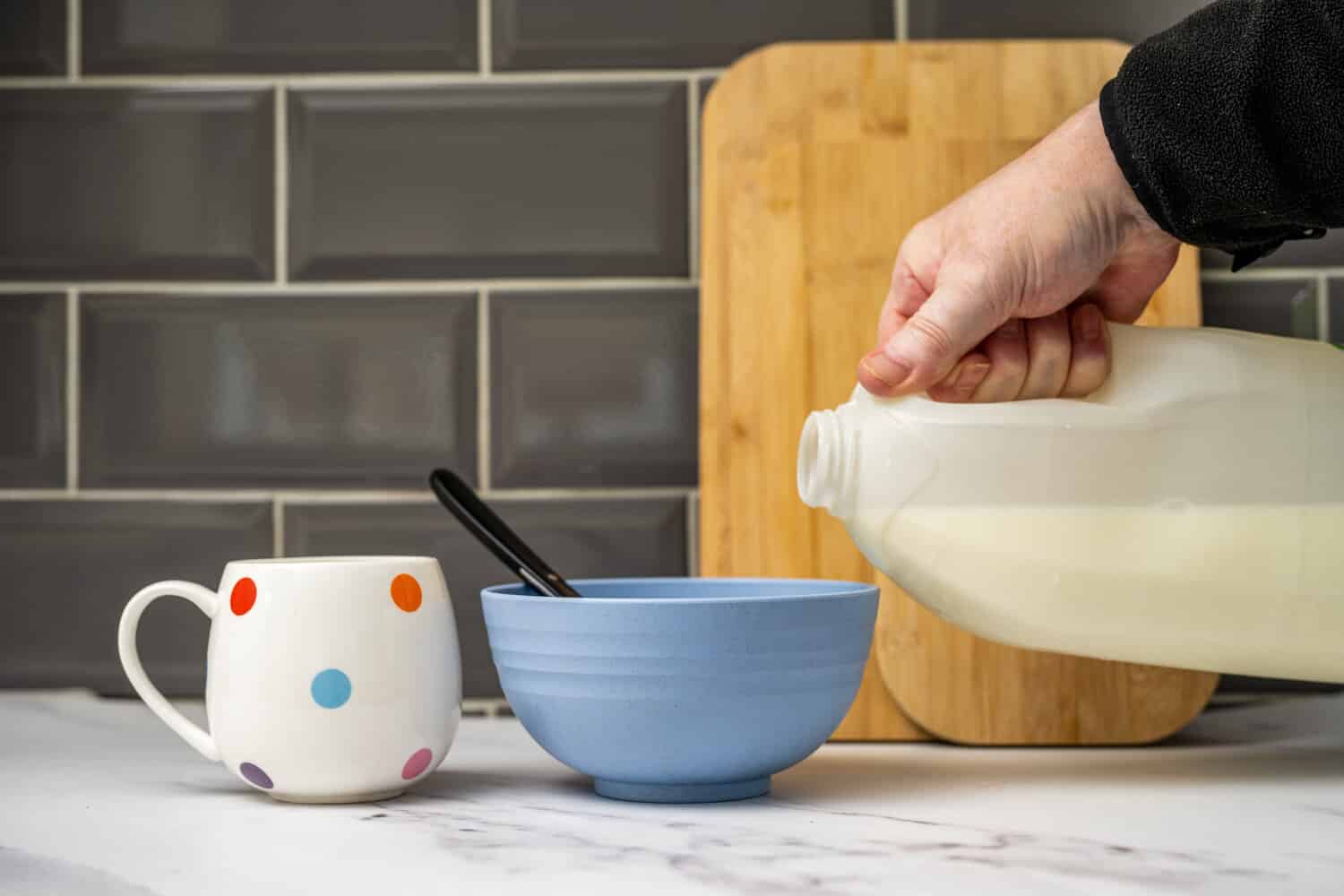
Milk has been sold to us as wholesome, simple, necessary, almost innocent. A cold glass at breakfast. A splash in coffee. A carton in the refrigerator. A smiling cow on a package, usually standing in a green pasture she may or may not have ever seen.
But milk does not begin in a carton. Milk begins with a mother.
A cow does not produce milk because she is a cow. Like every mammal, she produces milk after giving birth. Her body makes that milk for her calf. That is not an opinion. That is biology. And once we understand that, the story changes.
Because industrial dairy is not just about milking cows. It is about repeated pregnancy. It is about birth followed by separation. It is about calves moved away from their mothers. It is about cows bred, milked, dried off briefly, and bred again so the system can keep producing. It is about a living animal being turned into a schedule.
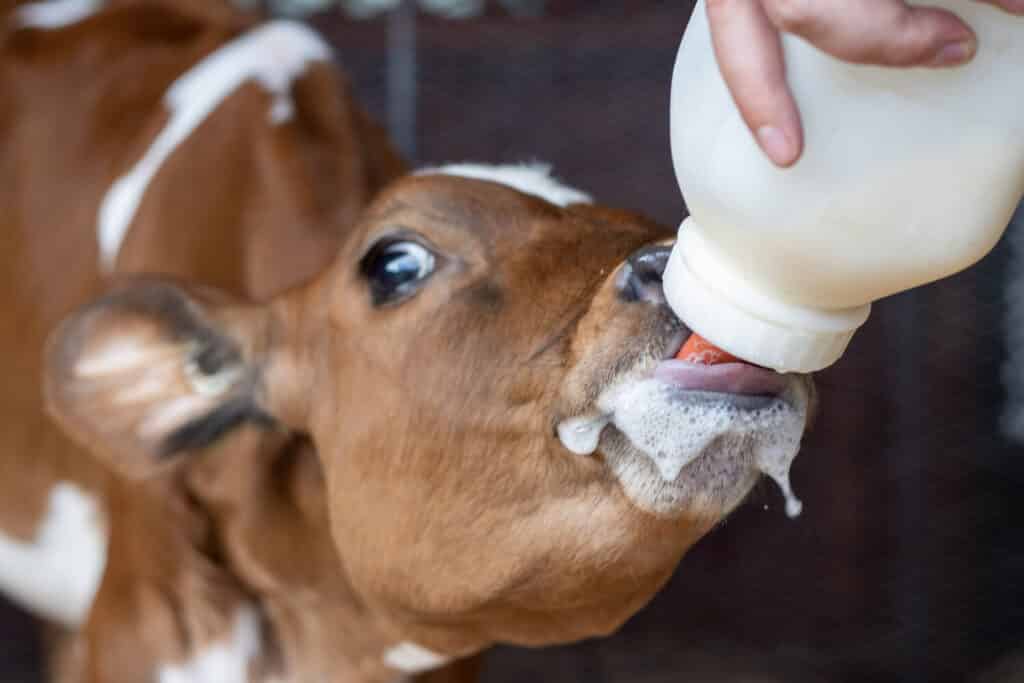
A mother cow recognizes her baby. She grooms her calf, calls to her, nurses her, and wants to keep her close. The calf wants the same thing. This bond is not a sentimental detail added to make the story sad. It is the beginning of milk.
Industrial dairy depends on interrupting that bond. In most dairy systems, calves are separated from their mothers shortly after birth so the mother’s milk can be collected, processed, packaged, and sold to us. Female calves may eventually enter the same production cycle. Male calves, because they cannot produce milk, are often treated as a problem the system has to solve.
And the grocery store shelf remains beautifully stocked.
That is the part we are not supposed to think about.
This article is not about attacking individual farmers. Many farmers are trapped in the same brutal economics as the animals: debt, low margins, consolidation, and pressure to produce more for less. This is about the system — a system that takes one of the most intimate acts in nature, a mother feeding her baby, and turns it into a product so ordinary we pour it into coffee without asking where it came from.
Intentional Cooking wants us to ask.


Hosting this year?
Which Thanksgiving Are You Hosting?
I wrote four complete menus so you can plan only the dinner you can actually pull off. Each one has its own shopping list, oven schedule and hour-by-hour plan.
✓
Cooking for 2–4
Menu 1 · Turkey breast, one oven, planned leftovers
✓
A classic dinner for 8–12
Menu 2 · Brined turkey, half the work done Wednesday
✓
A big crowd, 12–16
Menu 3 · Ham and slow cooker turkey; guests bring the rest
✓
Vegetarian guests
Menu 4 · Stuffed acorn squash with mushroom gravy
Free 40-page printable, with a thawing chart, a “What can I bring?” sheet and my fixes for when things go sideways.
Industrial Dairy Farming at a Glance
6–8 wks
the usual dry period before a cow gives birth again and the cycle starts over
First day
when calves are commonly separated from their mothers
Birth first
a cow produces milk only after giving birth, like every mammal
Male calves
cannot produce milk, so they leave the dairy herd for veal, beef or market
01
Milk Does Not Just Happen
Somewhere along the way, many of us absorbed the idea that cows “give milk” the way apple trees give apples.
They do not.
A cow produces milk after giving birth. That means dairy production depends on pregnancy and birth. After a cow has a calf, she is milked for months. Then she is given a brief dry period — usually about six to eight weeks — before giving birth again and starting the cycle over.
Birth. Milk. Pregnancy. Short rest. Birth again.
If we described this same cycle happening to dogs, people would lose their minds. There would be documentaries, lawsuits, rescue organizations, hashtags, celebrity outrage, and probably a candlelight vigil in Malibu. But because it is a cow, we call it agriculture. And because the product is familiar, comforting, and profitable, we are encouraged not to look too closely.
02
The Separation Is the System
A mother cow recognizes her calf. She licks her baby clean. She calls. She bonds. She wants to nurse. This should not be controversial. Anyone who has watched animals mother their young knows that motherhood is not a marketing concept. It is instinct. It is biology. It is attachment.
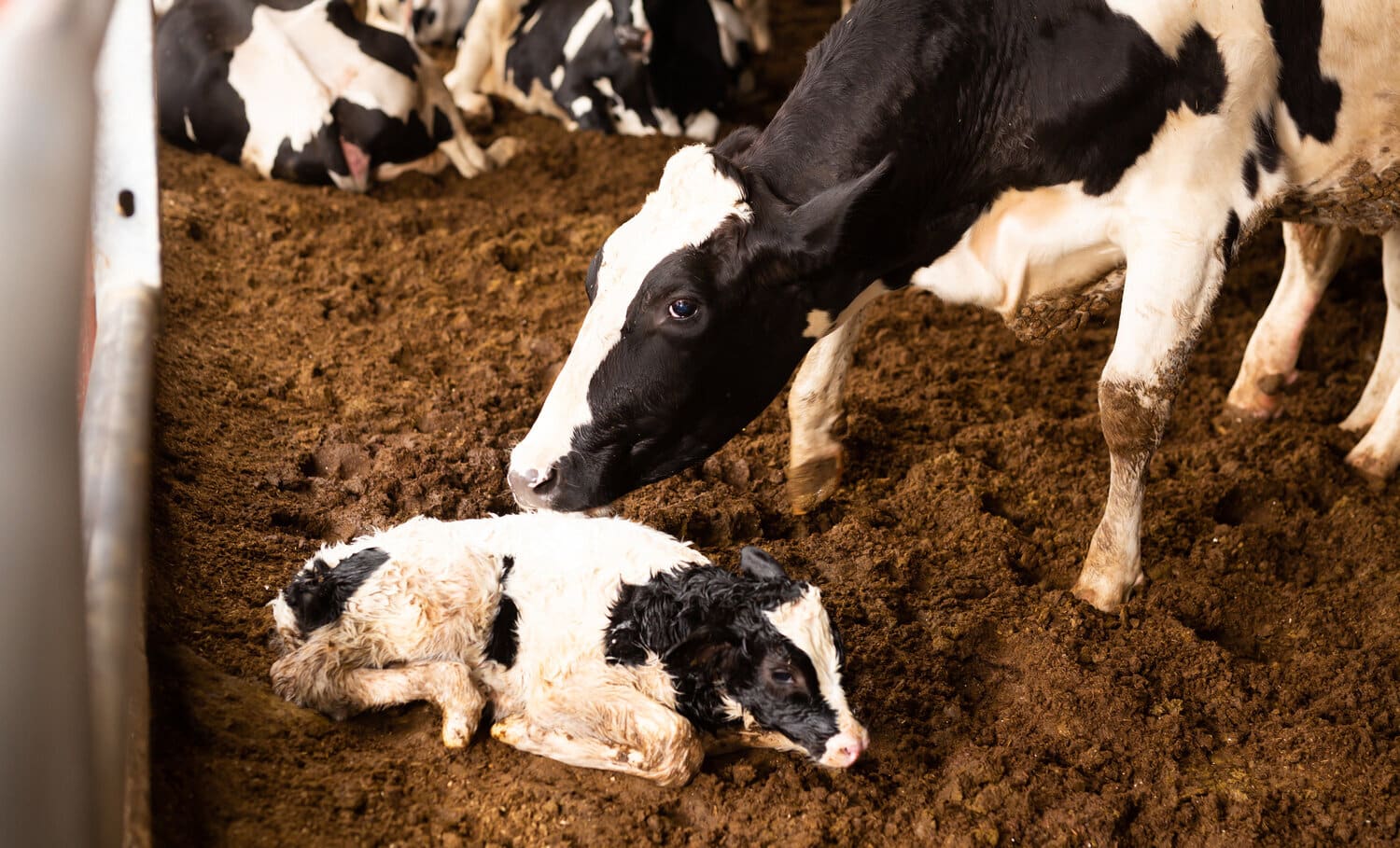
Mother and newborn
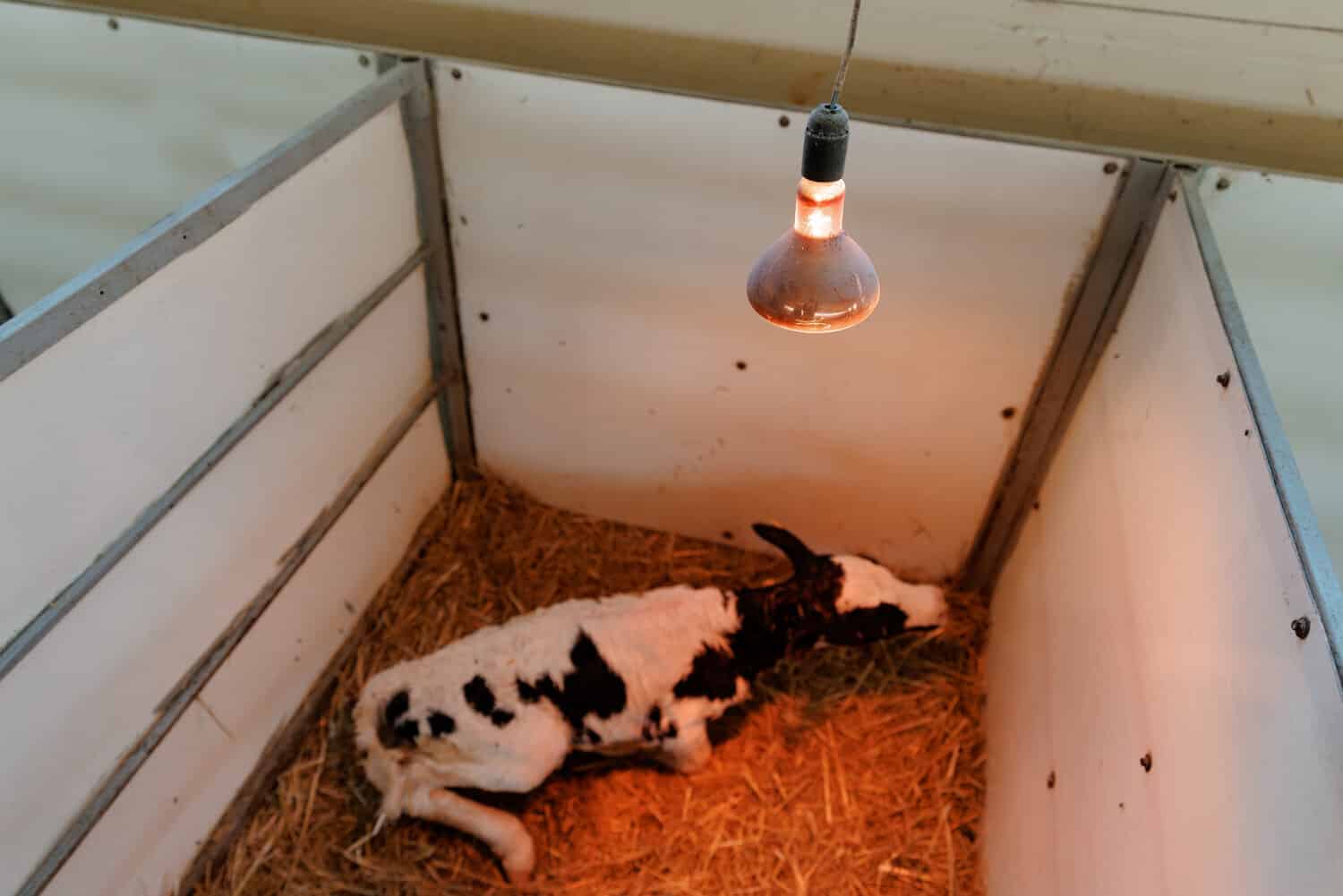
Alone with a warming lamp
In industrial dairy, that bond is usually interrupted very early. Calves are commonly separated from their mothers within the first day of life.
The industry has its explanations: disease prevention, colostrum management, feeding control, easier milking, easier cow management. Some of those reasons may sound practical on paper. But practical for whom? Not for the mother. Not for the calf. For the system.
And this is the heart of the matter. Industrial dairy does not merely include calf separation. It depends on it. The milk intended for the calf becomes the product. The calf becomes a management issue. The mother becomes a milking animal.
We can dress that up with soft language, but language does not change what is happening. A baby is born. A mother produces milk. The baby is removed. The milk is sold.
Her calendar
The calf is usually gone before the first day ends. The milking goes on for months.
Day 0
she gives birth
Day 1
usually by now, the calf has been removed
Months
she is milked
Next
she is bred again, while still being milked
6–8 wks
a short rest: the dry period
Again
she gives birth, and it starts over
That is the transaction.
03
What Happens to the Calves?
Female calves may eventually enter the milking herd, where they become part of the same cycle their mothers lived through.
Male calves have a different problem: they are born into a dairy system where they cannot produce milk. That makes them economically inconvenient, which may be one of the ugliest phrases in the entire food system.
Some male dairy calves are raised for veal or beef. Some are sold quickly. Some have very short lives. This is not a side story. It is part of the dairy story.
Two calves, two paths
Born into the same barn. The system asks one question: can this calf make milk?
She can · may be kept
Raised as a replacement heifer, then bred and milked. She returns to the same cycle as her mother.
He can’t · leaves
Has no place in the milking herd. Raised for beef or veal, or sold young.
Neither path leads back to the mother.
Milk is not just milk. Milk comes with calves. Every glass, every latte, every block of cheese exists inside that biological reality. We have been taught to separate the product from the process.
Intentional Cooking asks us to put them back together.
Next In This Series
Part 2
·
Separation
04
The Cow Becomes a Machine, Except She Is Not One
Industrial agriculture has a gift for turning living beings into units. A chicken becomes “poultry.” A pig becomes “pork.” A cow becomes “dairy.”
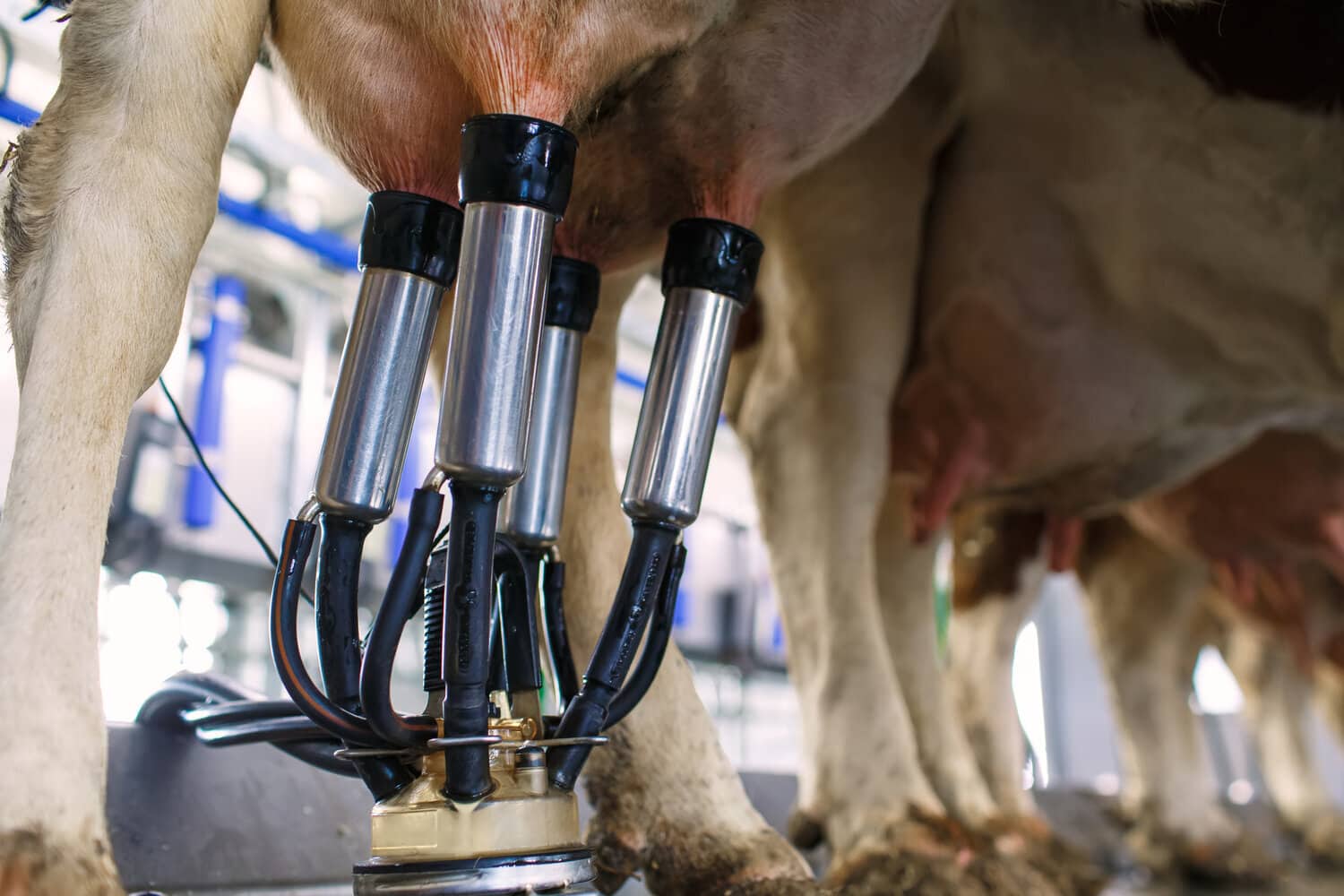
The milking cluster
Notice how convenient the language is. The animal disappears, and the product takes her place.
In a dairy system built around efficiency, the cow is bred, fed, housed, milked, tracked, measured, and managed for output. Her milk production is recorded. Her reproduction is scheduled. Her body is evaluated based on what it can produce.
And yet she remains what she always was: a sentient animal with a nervous system, social bonds, maternal instincts, fear, stress, comfort, discomfort, and a desire to live. That is the moral collision.
The system needs her to function like equipment, but she is not equipment.
05
The Pasture on the Carton Is Doing a Lot of Heavy Lifting
If dairy packaging told the whole truth, it would look very different. Instead of a cartoon cow in a meadow, maybe the carton would show a calf hutch. Or a milking parlor. Or a cow standing on concrete while her newborn is moved away.
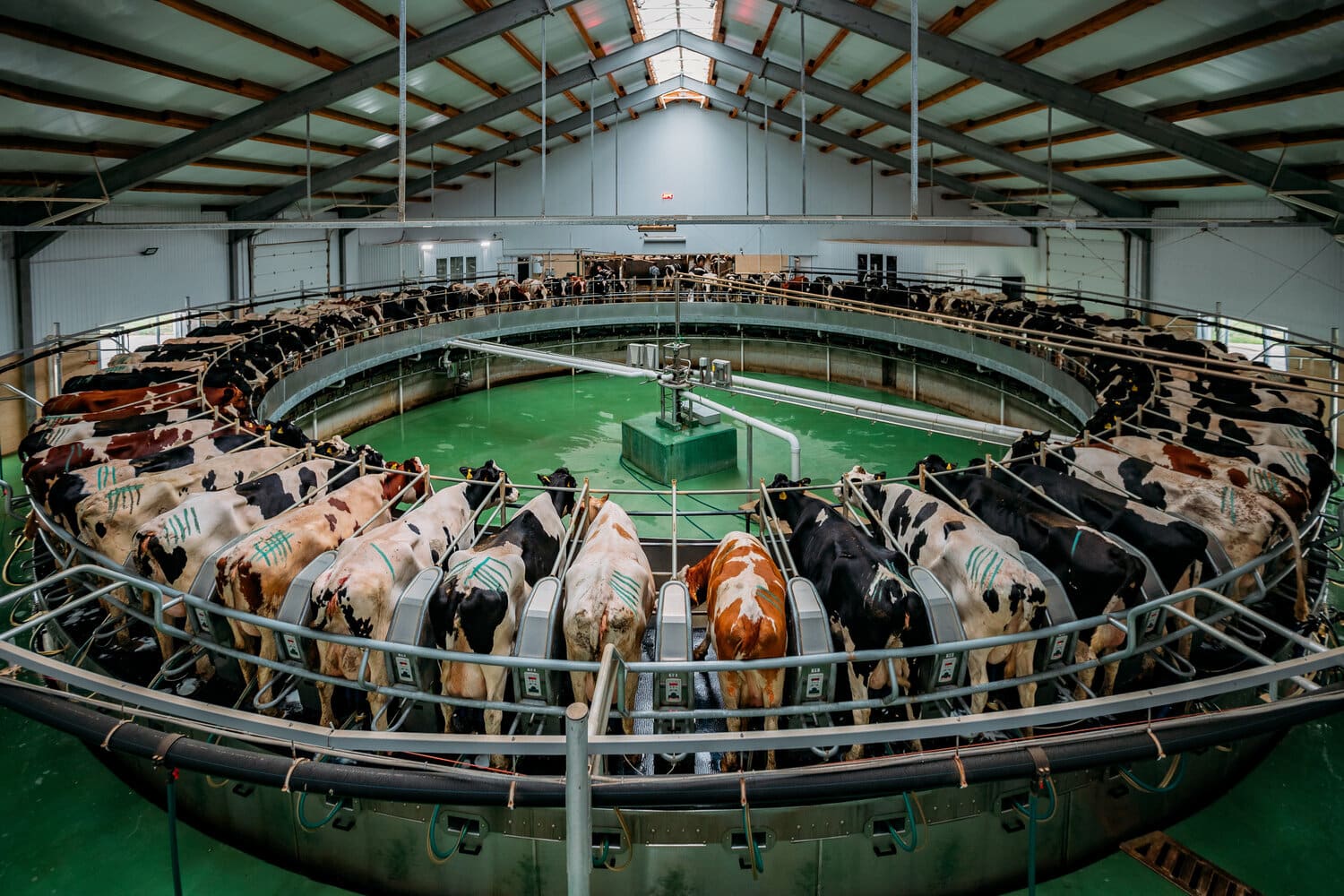
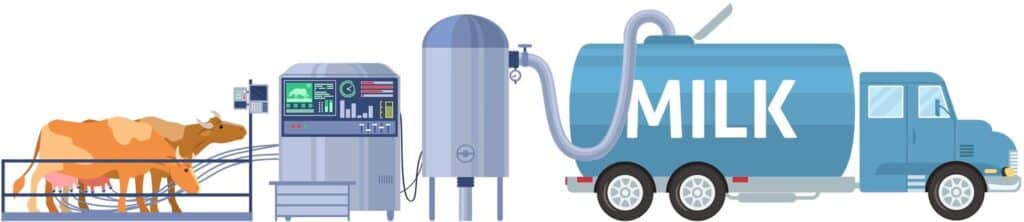
Rotary milking parlor
But that would be terrible for sales.
So we get rolling hills. We get words like “fresh,” “natural,” “pure,” and “farm.” We get nostalgia.
The dairy industry knows that most people want to believe their food comes from somewhere gentle. And honestly, I understand that. I want to believe that too. I want the story with the pasture and the bells and the old farmer with kind eyes.
But wanting a prettier story does not make it true.
The truth is that modern dairy is not built around the natural life of a cow. It is built around a supply chain. A cold, efficient, astonishingly successful supply chain that can move milk from an animal’s body to a grocery shelf with almost no visible trace of what happened in between.
That invisibility is not an accident. It is part of the business model.
What the carton shows
What is on the carton was chosen. So was what is left off.
On the carton
A cartoon cow in a meadow
Rolling hills
“Fresh,” “natural,” “pure,” “farm”
Nostalgia
Left off the carton
A cow on concrete while her newborn is moved away
A milking parlor
Repeated pregnancy
A calf hutch
The carton shows the cow it wants you to picture. It leaves out the calf.
06
This Is Not About Hating Farmers
This matters, so let’s be clear: this is not about blaming every farmer.
Many farmers are trapped in the same system consumers are trapped in. They face debt, low margins, volatile milk prices, consolidation, rising costs, and pressure to produce more for less. Small farms have been squeezed for decades. Many good people are trying to survive inside a system they did not create.
So no, this is not a cartoon villain story where every farmer wakes up asking, “How can I be evil before breakfast?” That would be easy. Too easy.
The harder truth is that industrial food systems can make decent people participate in indecent structures. That is why this conversation matters. If we only blame individuals, nothing changes. If we look at the system, we can begin to ask better questions.
Who profits? Who pays? Who suffers? Who gets hidden? Who gets marketed to? Who gets silenced?
And in dairy, the ones who suffer most are the ones with the least power: the cows and calves.
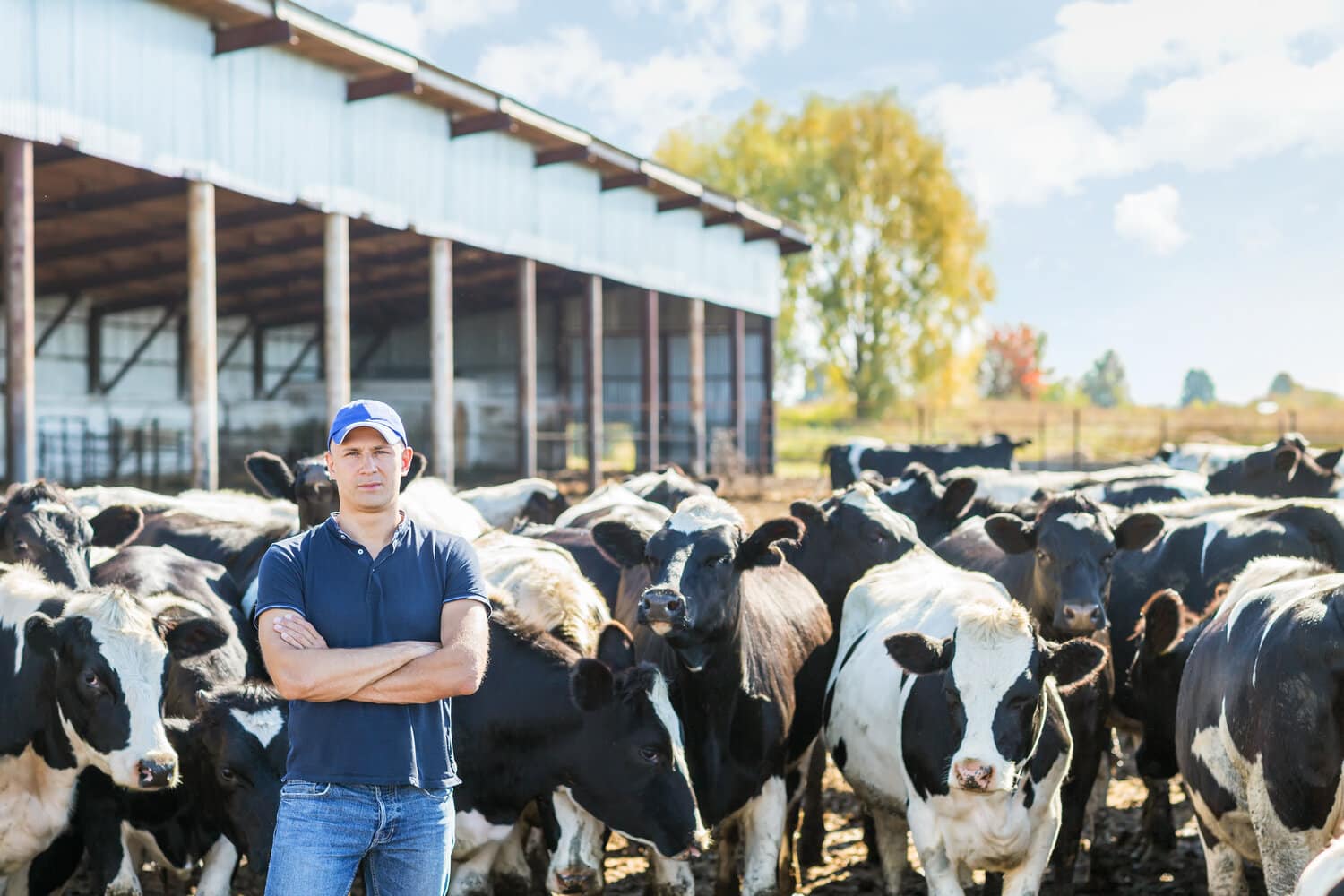
Farmers are in the system too
07
Lactose and Digestive Reality
There is another strange part of this story. Milk is marketed as essential, but many people cannot comfortably digest it.

Lactose intolerance is not rare
Around the world, a large percentage of adults have some degree of lactose malabsorption. In plain English: many human bodies are not built to digest milk sugar well after infancy.
So we have to ask: why has cow’s milk been treated as a default food for everyone? Why is a product made by another species for her baby marketed as essential for ours?
That is not a sarcastic question, although I do have several sarcastic follow-ups available upon request. It is a real question. Because once you step back, the whole thing starts to look less like nature and more like marketing.
08
So What Do We Do?
This is where people often want a neat answer.
Stop eating dairy. Buy better dairy. Go vegan. Find a local farm. Make almond milk. Burn the whole system down. Preferably after coffee.
I do not think everyone begins in the same place, and I do not think everyone has the same budget, access, health needs, culture, or family situation. But I do believe we can stop pretending. That is the first step.
We can stop pretending milk is simple. We can stop pretending calf separation is a tiny technical detail. We can stop pretending the cow on the carton represents the cow in the system. We can stop pretending cheap food has no cost just because we are not the ones paying it directly.
From there, we can make better choices. Use less dairy. Choose dairy more carefully. Ask where it comes from. Look for farms that allow more natural cow-calf contact. Support higher-welfare systems when possible. Try plant-based options when they make sense. Use butter, cream, cheese, and milk with more awareness instead of habit. Teach our children that food has a story.
Better choices, not perfect ones
You don’t have to start with the hardest change.
Start with the first list. Add the second as budget and access allow.
✓
Start here
Use less dairy
Choose dairy more carefully
Ask where it comes from
Use dairy with awareness instead of habit
+
When you can
Look for more natural cow-calf contact
Support higher-welfare systems
Try plant-based options where they make sense
Teach that food has a story
Not every choice has to be perfect. But every choice can be more awake.
This Is Intentional Cooking
Intentional Cooking is not about guilt. This is about awareness.
Intentional Cooking is not about guilt — guilt is useless in the kitchen; it curdles everything. This is about awareness.
It is about looking at an ingredient and being willing to ask: What did this cost? Not just in dollars, but in life, labor, land, suffering, health, and truth?
It is about remembering that food is not separate from the world. It is one of the ways we participate in the world every day.
As a chef, I know dairy can be delicious. Butter makes pastry tender. Cream makes sauces luxurious. Cheese has started wars in my house, and I am only slightly exaggerating.
But as a human being, I also know delicious is not the only question. The question is not whether dairy tastes good. The question is whether we are willing to see what it requires.
Six questions to ask about the system
Who profits?
Who pays?
Who suffers?
Who gets hidden?
Who gets marketed to?
Who gets silenced?
Industrial dairy took one of the most intimate acts in nature — a mother feeding her baby — and turned it into a product so ordinary we pour it into coffee without thinking.
Maybe the first act of change is simply this: think, look, ask, and then cook like it matters.
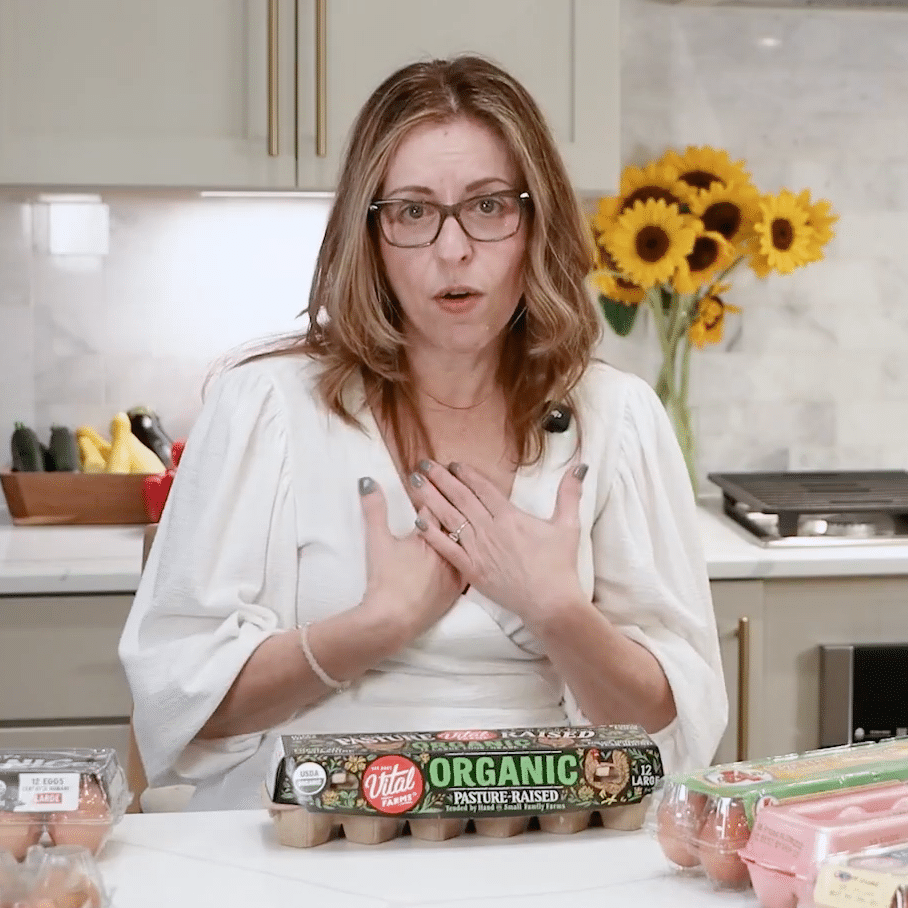
Let’s talk about cooking with purpose.
Intentional Cooking is not fancy. It is honest. Every ingredient matters. Make it yours.
Frequently Asked Questions
Do cows produce milk all the time?
No. Like every mammal, a cow produces milk after giving birth. Dairy production depends on repeated pregnancy and birth to keep the milk coming.
Why are dairy cows kept pregnant?
To keep producing milk, a cow has to give birth regularly. She is usually bred again a few months after calving, while she is still being milked, then gets a brief dry period of about six to eight weeks before her next calf.
Are calves separated from their mothers on dairy farms?
In most industrial dairy systems, yes. Calves are commonly separated within the first day of life so the mother’s milk can be collected and sold.
What happens to male dairy calves?
Male calves cannot produce milk, so they are usually raised for veal or beef, sold young, or have very short lives. Part 3 of this series covers what happens to them.
Does the cow on the carton mean the cows graze on pasture?
Not necessarily. Packaging art is marketing. Only a published, verified standard tells you what pasture access is actually required.
Do I have to give up dairy completely?
No. Intentional Cooking is about awareness, not guilt. Using less dairy, choosing it more carefully and asking where it comes from all count.
The dairy loop
Milk is a loop. This article follows the whole cycle: pregnancy, birth, separation, lactation, what leaves it and what the carton shows.
Pregnancy
bred again
→
Birth & separation
usually within the first day
→
Lactation
milked for months
→
Dry period
6–8 weeks, then again
↺
Calves & cows
female calves rejoin · males & cull cows leave
→
Processing
tank · truck · plant
→
Carton & label
the claim is set here
→
Kitchen
your recipe
■ The part this article covers
▢ Covered by the companion pieces below
↺ The cycle starts again with the next calf
The Intentional Cooking Series: Dairy
5 Articles
Part 1 · You Are Here
The Truth About Industrial Dairy Farming
Part 2 · Separation
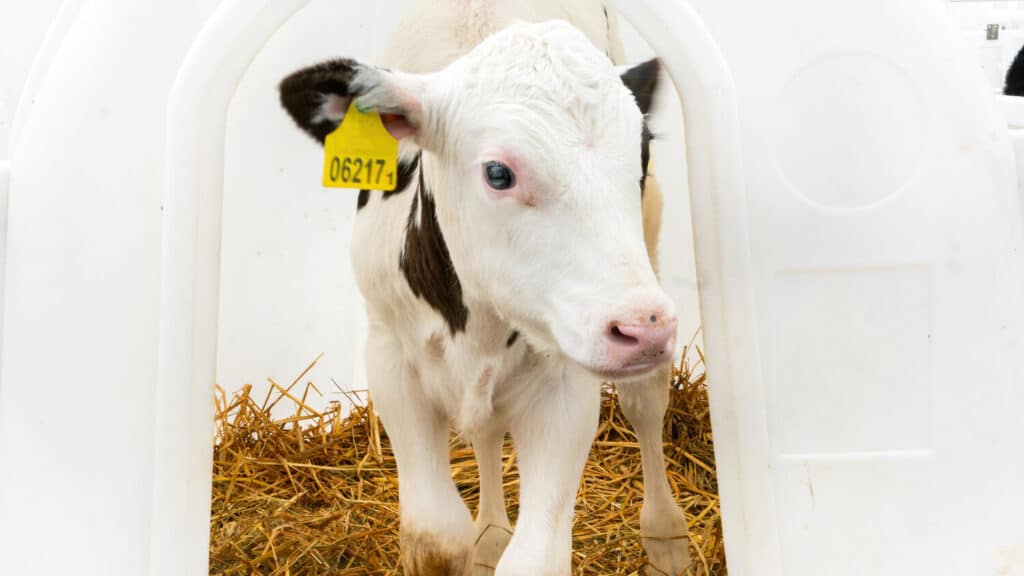
Part 3 · Male Calves
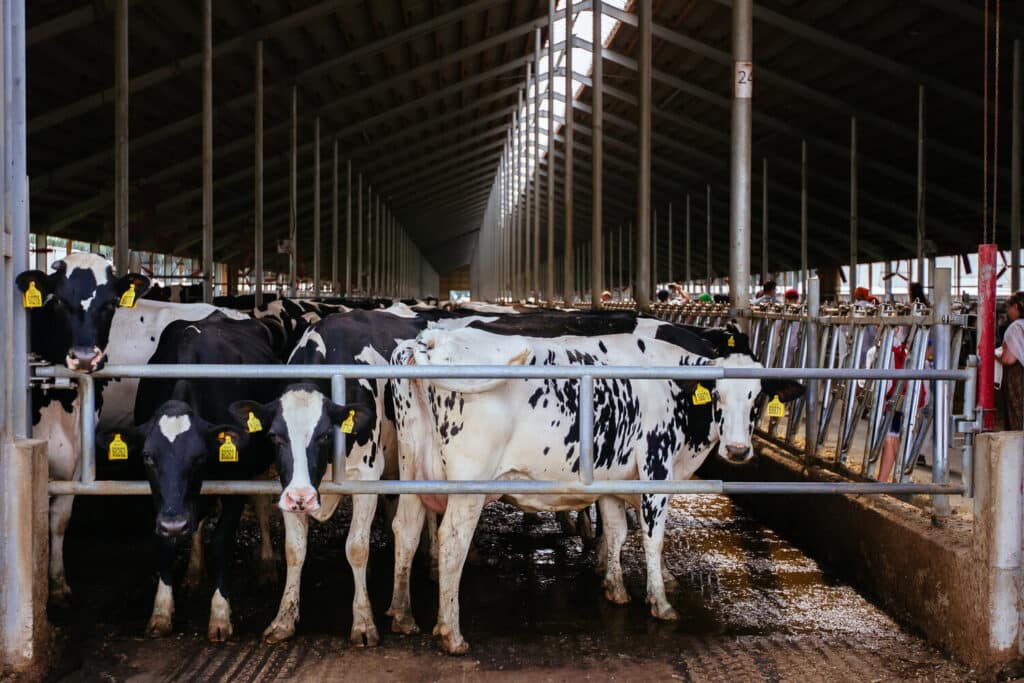
Part 4 · Labels
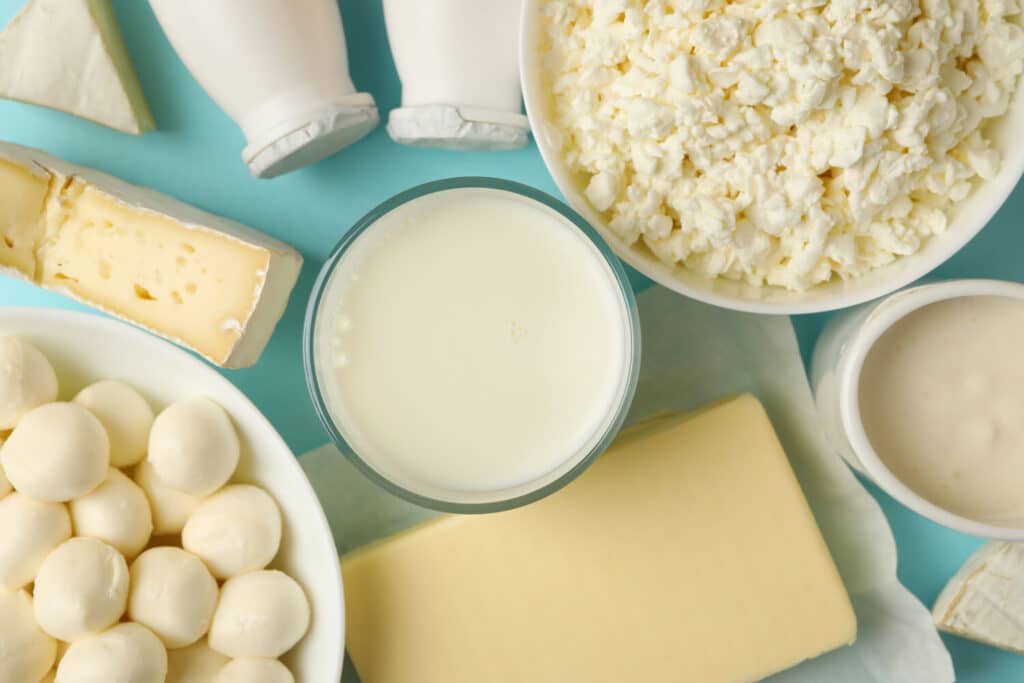
Part 5 · Alternatives
Leave a Reply