
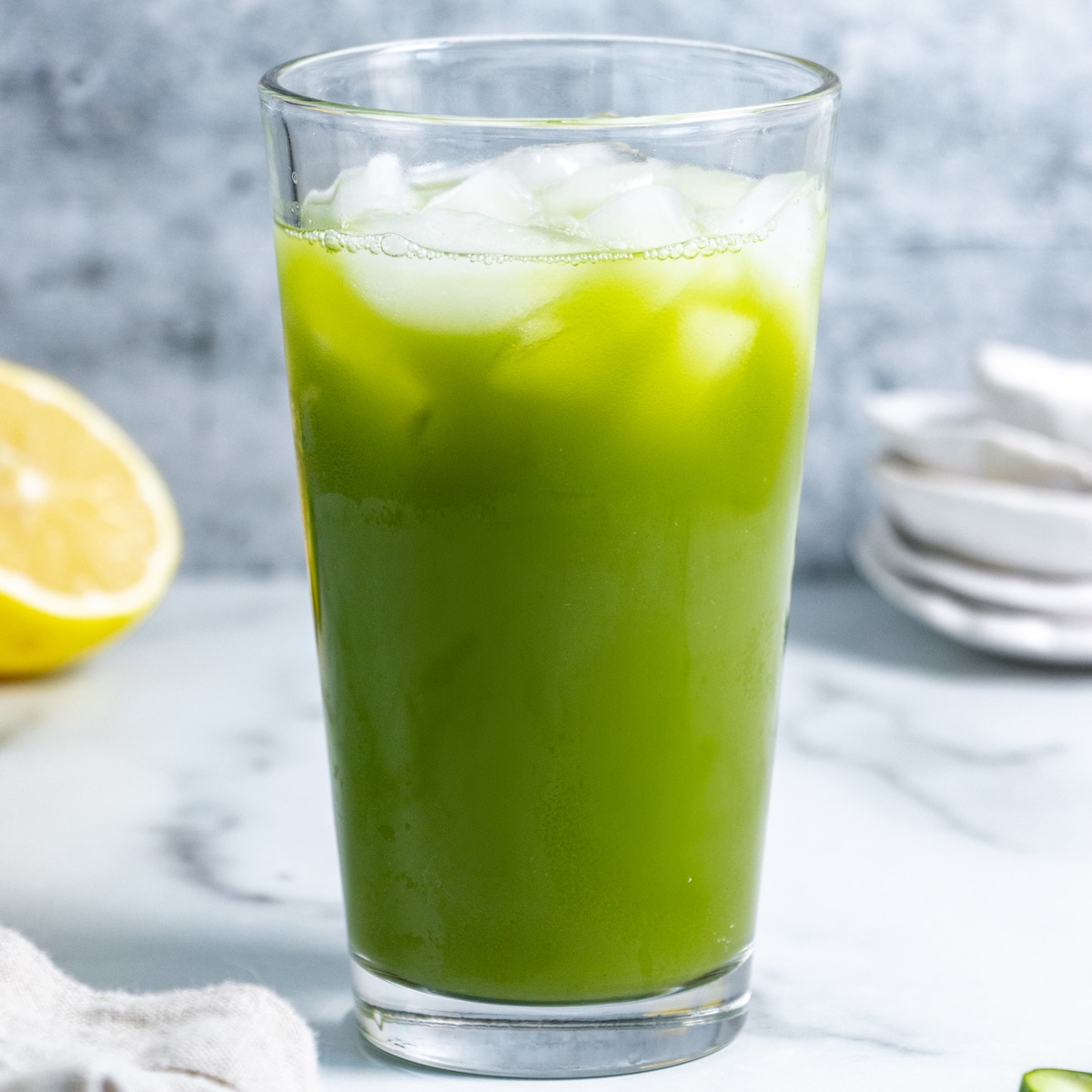

This is the green juice my family actually enjoys, and one I’ve been making for years as a simple way to add more fruits and vegetables into everyday life.

⭐️ Green Juice: recipe at a glance
- Dietary: This Green juice recipe is plant-based, vegetarian, vegan, gluten-free and dairy-free!
- Customizable: This recipe can be adapted to use seasonal produce or what you already have on hand at home.
- Naturally sweet: Enjoy well-balanced flavors with no added sugars. This refreshing family-friendly drink is so tasty that even kids enjoy it.
- Fresh & energizing: This is not a “detox” juice or a restrictive cleanse. It’s simply a fresh, vibrant green juice packed with antioxidants, vitamins, and minerals.

🔎 Green Juice Benefits (In real terms)
- Good for You: Green juice can be a helpful way to increase your intake of fruits and vegetables, especially on busy days when whole salads or cooked veggies feel like too much.
- Rich in Nutrients: This kid-friendly green juice is packed with vitamins, minerals, and antioxidants from fresh whole foods like spinach, celery, and cucumbers. These nutrients support overall health, boost the immune system, and enhances skin health.
- Hydration: Water-rich veggies and fruits help you keep hydrated throughout the day (especially if you have a hard time drinking enough water). Good hydration is crucial to keep your body, mind and high vibrational frequency at optimal levels.
- Energy Boost: The natural sugars and nutrients in green juice provide a quick, clean energy boost without the crash associated with sugary or caffeinated drinks like soda.
- Supports Weight Management: Low in calories and high in nutrients, green juice can help curb cravings, make you feel full longer, and aids weight loss.
- Strengthens the Immune System: By increasing the amount of raw foods we incorporate into our diets – we take advantage of vitamins and nutrients that help us fight against disease. Anti-inflammatory Ingredients such as ginger can reduce chronic inflammation which is linked to autoimmune conditions such as lupus. I know this key ingredient has been life-changing for me.
🔎 Green Juice Ingredients and Substitutions

Be sure to check the printable recipe card below for the complete list of ingredients and their exact quantities.
- Apples: Adds natural sweetness and balances the flavor of the leafy greens. I use any type of large, organic apples. Granny Smith apples add more tartness to the juice while gala, pink lady, honey crisp, or fuji add a bit more sweetness. If organic apples aren’t available or within your budget, soak conventionally grown apples in a solution of 3 parts water and 1 part vinegar for a few minutes, then rinse well before juicing or eating.
- Celery: High in nutrients and low in calories, celery is packed with vitamin K, A, C, and potassium among others. It’s said to reduce high blood pressure, aids in cancer prevention as well as Alzheimer’s. This ingredient adds depths of flavor without being overpowering.
- Cucumber: Light, hydrating, and refreshing, cucumbers are perfect for mellowing stronger flavors. I prefer seedless English cucumbers but any other type of cucumber works.
- Spinach: I prefer baby spinach for it’s mild, less bitter taste. Kale leaves are also an excellent addition. Both ingredients are nutrient dense.
- Ginger: This natural anti-inflammatory also aids digestion and boosts the immune system (among many other great things). Ginger adds a zingy fresh taste to the juice without overpowering it.
- Lemon: Brightens the entire juice and keeps it tasting fresh. Other citrus fruits can be used. Orange and even mandarin oranges and grapefruit are good options.
- Optional: Fresh herbs like parsley and mint are some of my usual additions. Fresh basil can also be added.

🔎 How to Make Green Juice?
In the printable recipe card below, you can find instructions to make this recipe using a juicer or a blender. The step-by-step photos below reflect the blender method.
- Prep your Produce: Wash your fruits and veggies throughly. Core the apples leaving their skin intact. If using a juicer, trim the veggies and cut them into large pieces. If using a blender, cut the produce into smaller pieces so it’s easier for your machine to blend.

- Blend or Juice: Place all ingredients in a high-power blender. Blend until smooth, about 2 minutes, using a tamper as needed to push the ingredients into the blender’s blades.


- Strain: Pour juice through a fine mesh strainer, pushing on the solids with the back of a spoon to extract as much juice as possible, or you can line the strainer with cheese cloth or use a nut milk bag to squeeze out as much juice as possible while keeping the solids (pulp) in the cloth or bag. Serve and enjoy!

🔪 Recipe Tips: Prep & Adjustments
- Use what you have: Swap fruits and veggies and use what you already have at home.
- Balance flavors: Swapping ingredients with what you have handy is a great way to reduce waste. Just make sure you don’t add too many strong flavored veggies or bitter leafy greens to keep the juice lightly sweet and mild tasting (less mean).
🔎 Blending Vs Juicing – What’s the Difference?
- Juicing removes fiber, resulting in a lighter drink that’s absorbed by the body quickly.
- Blending retains fiber, unless you strain the juice or use a nut bag to remove the solids. Simply blending results in a smoothie type drink that is a bit more filling.
- Blending vs Juicing: Neither is “better”, they are just different. Choose what fits your needs, and personal taste with the tools you already have.
Frequently Asked Questions
How long can I store green juice?
Green juice is best when served immediately after it’s made. To preserved its nutrients, it is best if consumed within 24 hours. Store the juice in an airtight container in the refrigerator. As it sits, the juice separates. This is normal. Stir before serving it.
What to do with the leftover pulp?
My favorite way to use leftover pulp from juicing is to add it to my compost pile. The leftover pulp enriches the soil with valuable nutrients that benefit the plants and yields more fruits/veggies. The pulp can also be added to other smoothies for extra fiber and can be turned into a natural body scrub.
What does Green Juice do to your body?
Green juice has many health benefits and supports the immune system. Besides hydrating you, green juice provides a concentrated source of vitamins, minerals, and antioxidants, which support overall health and vitality.
Can kids drink green juice?
Absolutely. This version is naturally sweet and family-friendly.
Is green juice a meal replacement?
No. Green juice is a great way to add more fruits and veggies into your diet while hydrating your body at the same time.
💛 Cooking Intentionally
- Health and Healing: Green juice can be a gentle way to add more fruits and vegetables into your day. This isn’t about replacing meals or chasing quick fixes, but about making small, nourishing choices that support hydration, energy, and overall well-being one mindful sip at a time.
- Finances: Choose organic produce if your budget permits, otherwise combine 3 parts of water with 1 part vinegar and soak the produce for a few minutes, then rinse them.
🔎 Make Ahead and Storing
Green juice is best enjoyed fresh, but it can be stored in an airtight container in the refrigerator for up to 24 hours. Shake before drinking.
🥤 Take a look at these other drink recipes:




🛒 Essentials you’ll adore for this recipe
-

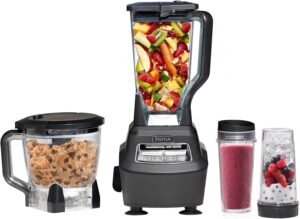
Ninja Blender with Food Processor and To-Go Cups
This is the high-power blender I’ve used at home for years. It crushes ice and frozen fruits effortlessly, blends smoothies silky-smooth, and cleans up easily. The food processor cup and two to-go cups make it practical for everyday life. Excellent performance, solid quality, and a price that won’t scare you off.
-

Cold-Press Juicer
This is the citrus juicer I reach for when I want fresh juice without the mess, any pulp or an arm workout. Simple, sturdy and the price isn’t bad at all!
-

Nut Milk Bag
This reusable nut milk bag replaces the strainer-and-cheesecloth chaos. It strains cleanly, won’t shed fibers, and rinses in seconds. Perfect for green juice, nut milks, and broths.


Best Green Juice Recipe

Ingredients
- 4 large large apples, cored (Pink lady, Gala, Granny Smith or a combination)
- ½ medium English cucumber
- 3 celery stalks, ends trimmed, cut into 3 pieces
- 1 cup loosely packed baby spinach
- 1 (1-inch) piece fresh ginger, peeled
- 2 tablespoon fresh lemon, lime juice or orange juice (or a combination)
- A handful of fresh parsley or fresh mint
- Ice for serving, optional
Instructions
Prep your fruit and veggies:
- Wash all produce thoroughly before using.
- If making the juice in a juicer, you can cut the apples and cucumber into quarters, and each celery stalk/rib into thirds.
- If using a blender, cut the fruit and veggies into smaller pieces for easier processing. Cut the apples into wedges, and the cucumber and celery into thick slices.
Juicer Instructions:
- Check your juicer manufacturer’s instructions before you start operating it.
- With the motor running, feed all the ingredients (except ice) into the juicer, catching the juices in a bowl.
- Fill glasses with ice cubes (optional), pour juice onto glasses and serve immediately.
Blender Instructions
- Place all ingredients in a high-power blender. Blend until smooth, about 2 minutes, using a tamper as needed to push the ingredients into the blender’s blades. Pour juice through a fine mesh strainer or a nut-milk bag.
- If using a strainer, press the pulp into the sieve with the back of a spoon to extract as much juice as possible. Discard solids.
- Fill glasses with ice cubes (optional), pour juice onto glasses and serve immediately.
Notes
- Additions and Variations:
Replace spinach with kale (or any other leafy green), or use both by adding 4 kale leaves removed from the stem and a handful of baby spinach leaves.
Add a seedless, peeled orange or tangerine for more citrus flavor. - Meal-Prep: Prep all your fruit and veggies and keep them in an airtight container in the fridge overnight.
- Storing: Green juice is best when consumed immediately after making it as it retains its’ nutritional value; however, this powerhouse of nutrients can be kept in a sealed container, jar or lidded pitcher in the fridge, for up to 24 hours.
- Stirring: As the juice sits, it will separate. Stir well before serving.








Leave a Reply