

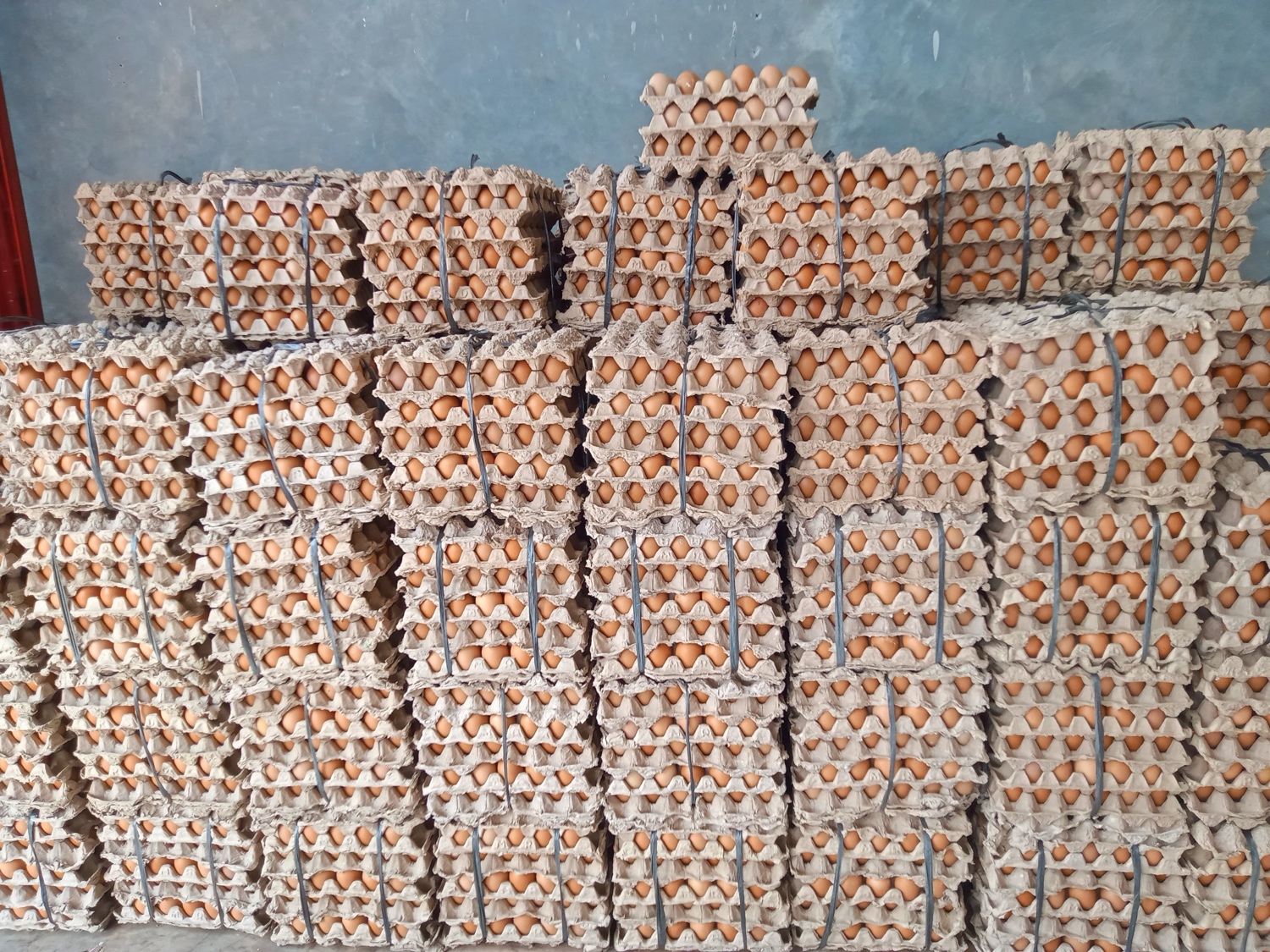
Industrial egg farming was built to produce enormous quantities of uniform, affordable eggs as efficiently as possible. It has succeeded. It has also created a system in which the needs of the hen are frequently measured against production, space, labor and cost – and production usually wins.
This article is not here to ruin breakfast, condemn every farmer or make you apologize to your omelet. It is here to explain what happens before the eggs reach your refrigerator.
Eggs are simple. The egg industry is not.

Industrial Egg Farming at a Glance
8 billion
table eggs produced in the U.S. in July 2026
315 million
hens producing table eggs on August 1, 2026
67 in²
permitted for one white hen under UEP Certified cage guidelines
93.5 in²
the area of a standard sheet of printer paper
150 million
cage-free layers in July 2026 — close to half the table-egg flock
14–16 hrs
of light daily that commercial programs may provide during peak production
75–85 wks
when a flock may leave production, without induced molting
Cage-free ≠ outdoors
hens can move through a barn, but are not necessarily given outdoor access
01
What Is Industrial Egg Farming?
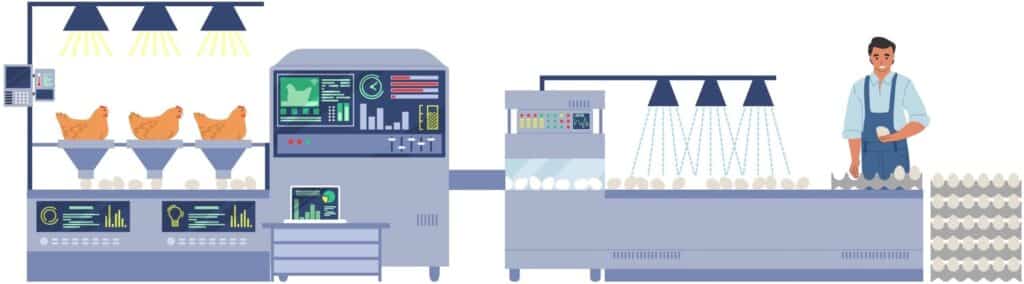
Industrial egg farming is large-scale egg production organized around efficiency, consistency and cost. Hens are raised in controlled environments where feeding, watering, lighting, ventilation, egg collection and manure removal may be largely automated.
Not every large egg farm uses cages, and not every cage-free farm is small. A barn holding tens of thousands of cage-free hens is still industrial agriculture. The difference is the housing system, not necessarily the scale.
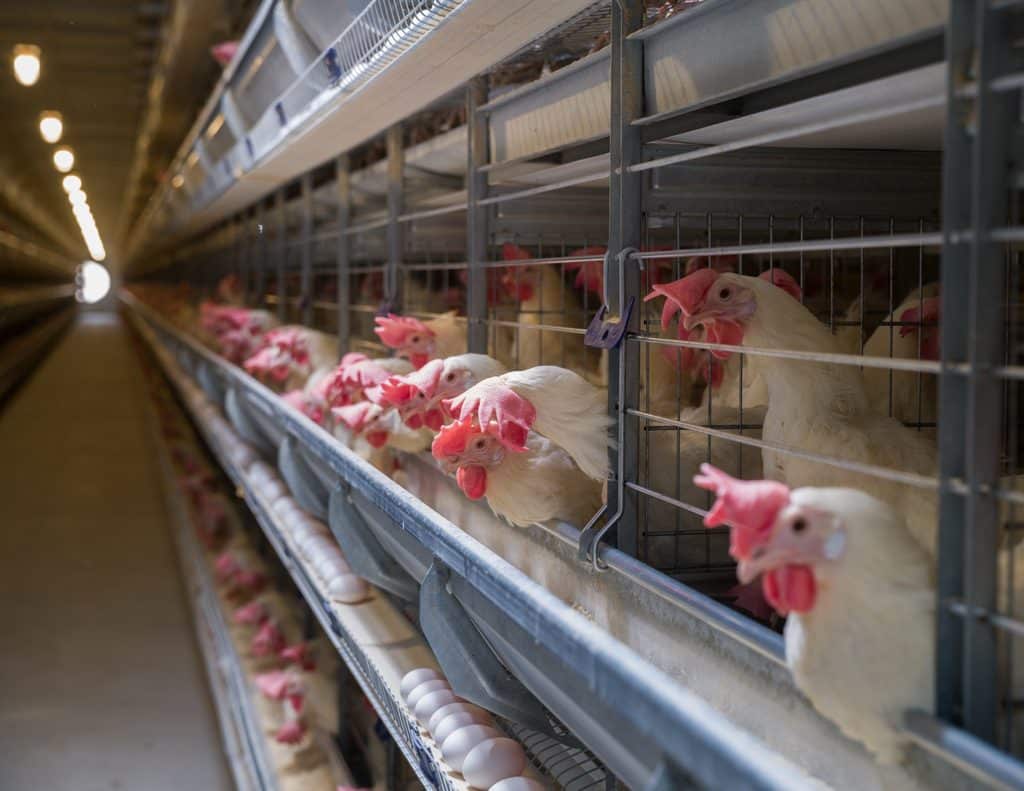
Example cage housing
The numbers help put that scale into perspective. According to the USDA, the United States produced approximately 8 billion table eggs in July 2026 alone. On August 1, 2026, the country had approximately 315 million hens producing table or market eggs.
The Scale, Made Personal
8 billion eggs a month is not a number anyone can picture
So divide it. The arithmetic is the argument.
8 billion
table eggs, July 2026
÷
315 million
hens laying table eggs
Which is one hen’s month – 25 eggs in 31 days
More than 25 eggs, from one bird, in 31 days.

USDA chickens and eggs, August 24 2026 · 25 eggs is a monthly flock average, not a guarantee for any one bird
That kind of production does not happen through a collection of picturesque red barns and cheerful hens wandering beside a tractor. It requires a highly coordinated system designed to keep eggs moving from hen to carton with as little interruption as possible.
Efficiency is not automatically evil. It helps provide food for millions of people and keeps eggs within reach for families who rely on them. The problem begins when efficiency becomes the primary measure of success and the animal producing the food is treated mainly as a unit of output.
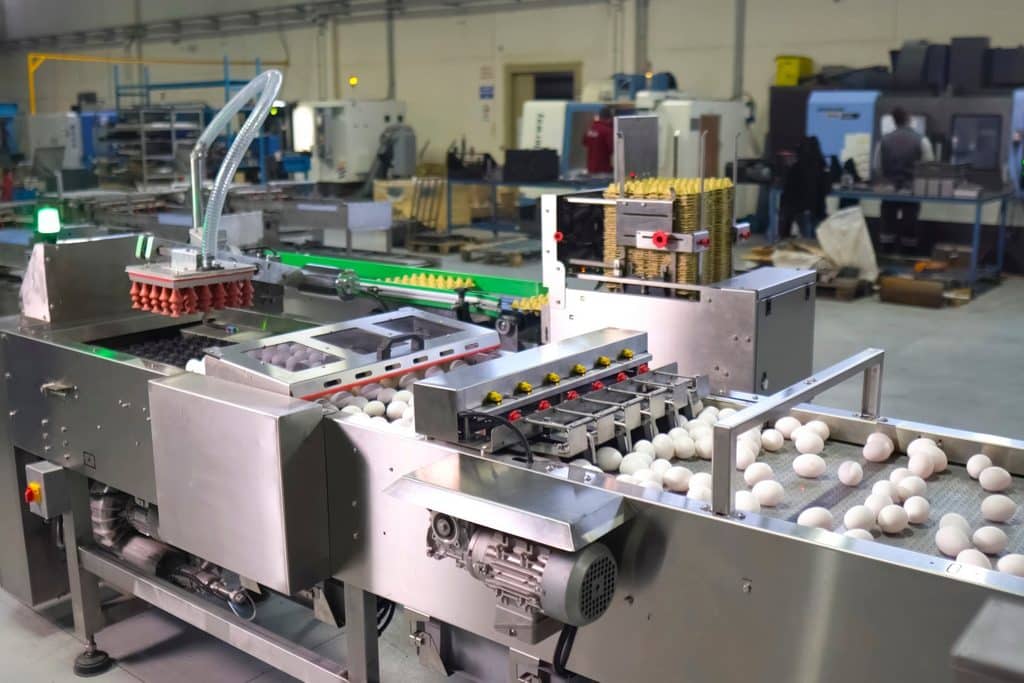
a highly coordinated & Automated system
02
The Hen Was Bred for Production
Modern laying hens are not the same as the chickens that scratched around small farms generations ago. They have been selectively bred to begin laying young and produce eggs at a very high rate.
USDA production data show that commercial table-egg flocks can average more than 25 eggs per hen during a single month. Artificial lighting is commonly used to maintain a consistent laying cycle, with veterinary management guidance recommending approximately 14 to 16 hours of light per day during peak production.
From an industry perspective, this is remarkable agricultural efficiency.
From the hen’s perspective, producing shell after shell places continuous demands on her body. Eggshell formation requires calcium, and inadequate nutrition can contribute to bone loss and fractures. Even with carefully formulated feed, keel bone injuries and other skeletal problems remain important welfare concerns in commercial laying hens.
An eggshell is made from minerals in a hen’s body. It does not appear through positive thinking and a strong work ethic.
The biological cost belongs to her.
03
Life Inside a Conventional Cage
In conventional cage systems, several hens live together in wire enclosures arranged in long rows and often stacked in tiers.
The United Egg Producers’ own cage-housing guidelines allow a minimum of 67 square inches per white hen and 76 square inches per brown hen. A standard sheet of printer paper is 93.5 square inches.

sheet of paper > Chicken Housing
In other words, the permitted space for one hen may be smaller than the paper you would use to print this article.
Scale Check
The permitted space for one hen may be smaller than the paper you would use to print this article.
▢ A sheet of printer paper — 93.5 in²
▢ Minimum for one white hen — 67 in²
Brown hens: 76 in²
Source: United Egg Producers cage housing guidelines, 2025.
Within that space, hens may be able to stand, eat, drink and lay eggs, but they cannot fully perform many behaviors that are natural and strongly motivated in chickens. These include walking freely, stretching and flapping their wings, scratching, foraging, dust bathing, perching and seeking a private nesting area.
These are not frivolous chicken hobbies. They are part of being a chicken.
Scientific animal-welfare assessments identify restriction of movement, resting problems, skin and soft-tissue injuries, bone lesions and the inability to perform comfort or foraging behaviors among the important welfare concerns associated with laying-hen housing.
A cage can protect hens from predators and make feed, water, manure management and egg collection more controlled. It may also reduce some injuries that can occur when thousands of birds move freely inside a barn.
But protection from one risk does not erase the harm caused by severe confinement. A hen can be safe from a fox and still be unable to live like a hen.
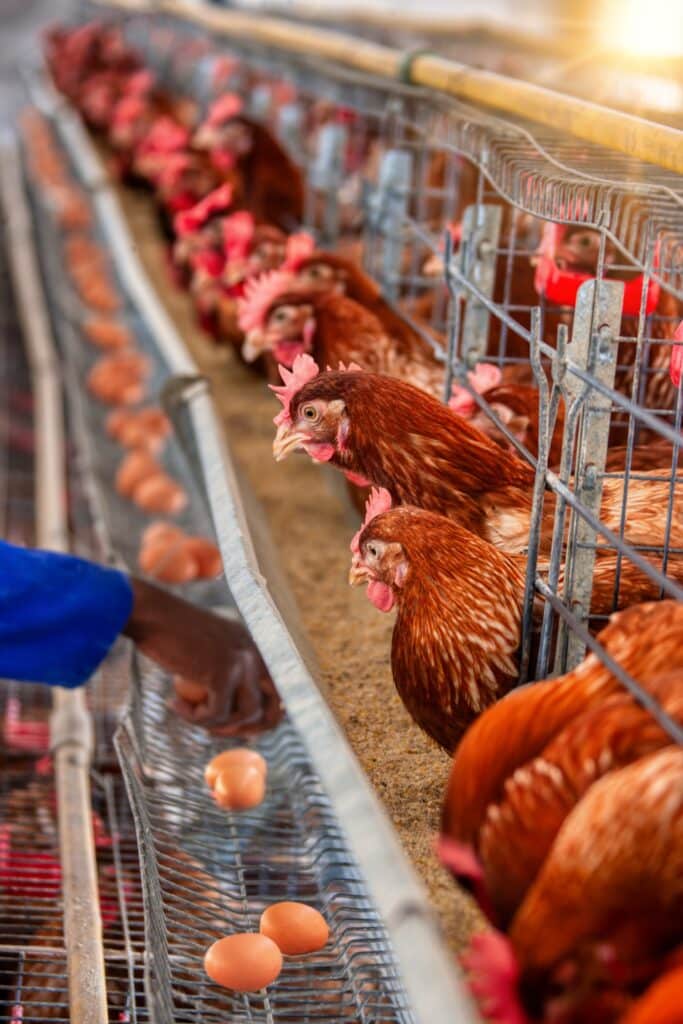
limited natural movement
04
Why Are Hens’ Beaks Trimmed?
Many laying hens undergo beak treatment or trimming when they are chicks. Infrared treatment may be performed at the hatchery when chicks are a day old, while hot-blade trimming is generally performed within the first several days of life.
The practice is used to reduce feather pecking, injuries and cannibalism. These behaviors can become serious in large flocks and may be influenced by genetics, nutrition, stress, lighting, stocking density, barn design and the birds’ inability to forage normally.
Both sides of one practice
This deserves some honesty from both sides of the conversation
Why it is done
Farmers do not trim beaks because they wake up looking for creative ways to upset chickens. They do it because uncontrolled pecking can cause injury and death.
What it costs
Industry guidelines themselves acknowledge that beak trimming can cause acute stress, short-term pain and possibly chronic pain.
What drives the behavior in the first place
Genetics
Nutrition
Stress
Lighting
Stocking density
Barn design
Inability to forage normally
The procedure attempts to manage a dangerous behavior partly by altering the bird instead of fully changing the conditions that help produce the behavior.
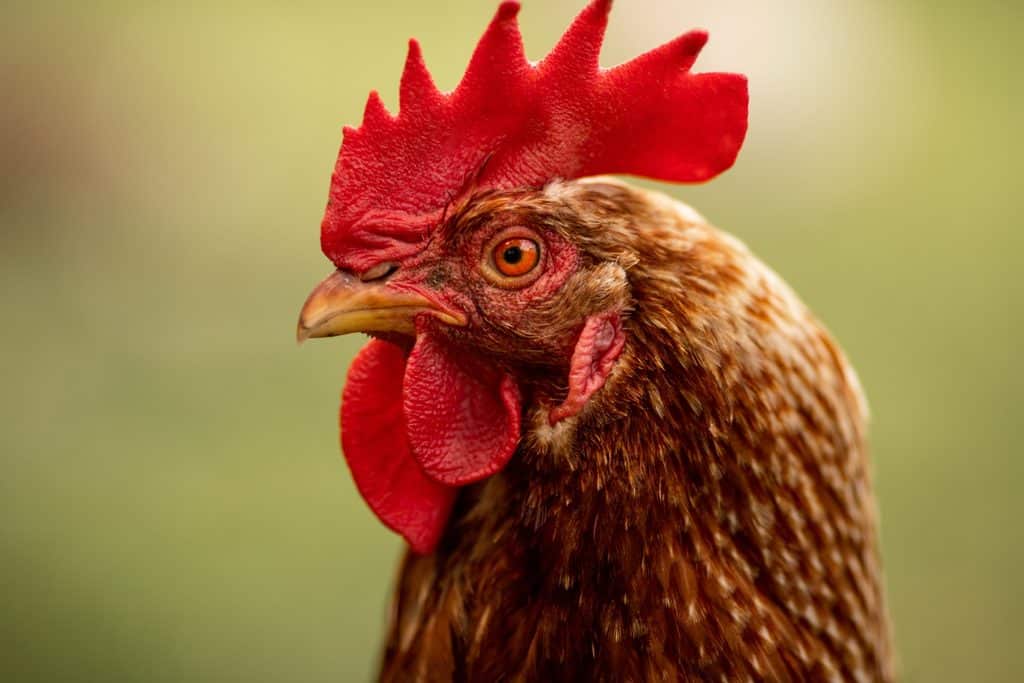
Natural Beak
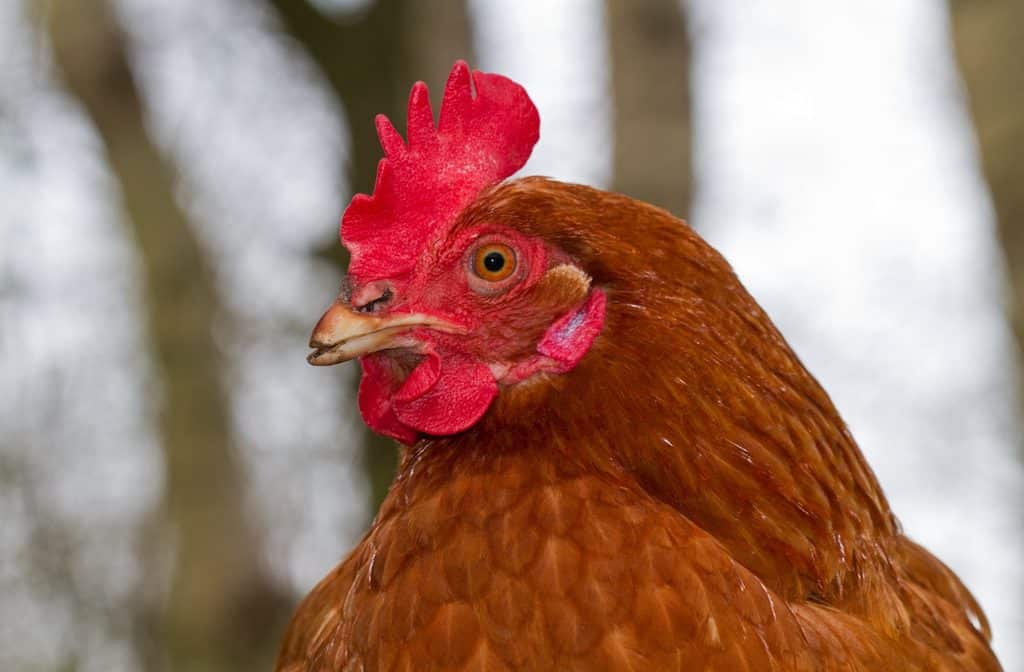
Trimmed Beak
That does not make the management problem imaginary. It means the solution comes with its own welfare cost.
05
The Environment Is Managed Around Egg Production
Inside commercial barns, nearly every part of a hen’s environment can be controlled: temperature, ventilation, feed, water and light.
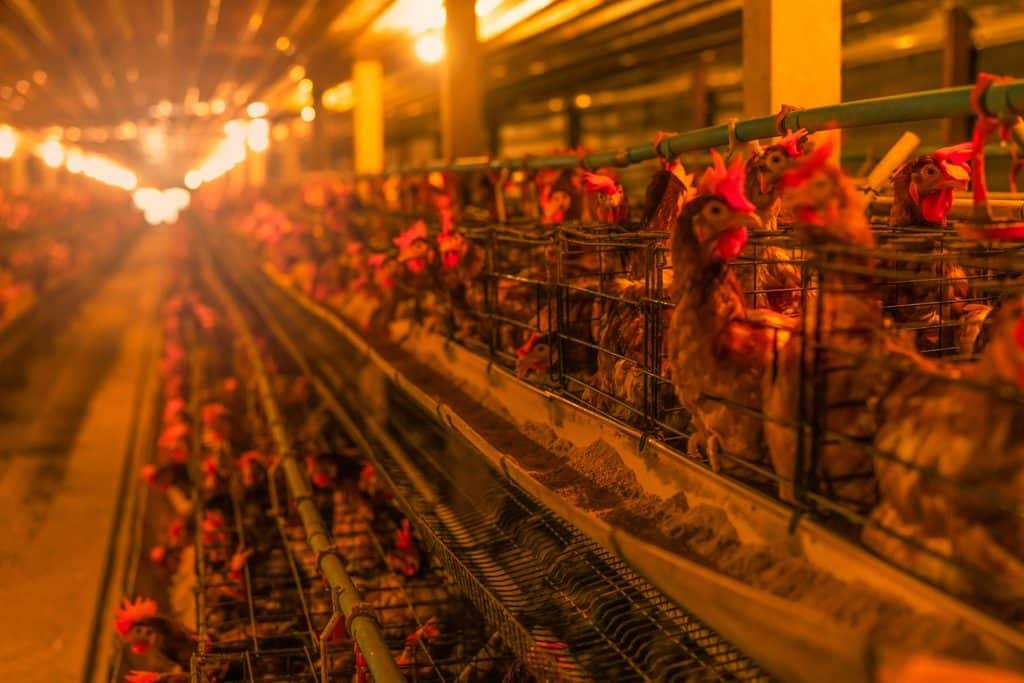
~14-16 hrs Daily artificial light
Lighting is especially important because egg production responds to day length. As pullets enter production, artificial light may be gradually increased until the birds receive approximately 14 to 16 hours each day. Reducing light can decrease production, so consistent lighting helps keep the flock laying.
Some farms also use induced molting to pause and then restart a flock’s reproductive cycle. Current United Egg Producers certification standards prohibit inducing a molt by completely withholding feed, a practice that was historically used and heavily criticized. Certified farms must provide feed and water, although lighting and diet may still be adjusted to bring the flock into a coordinated resting period.
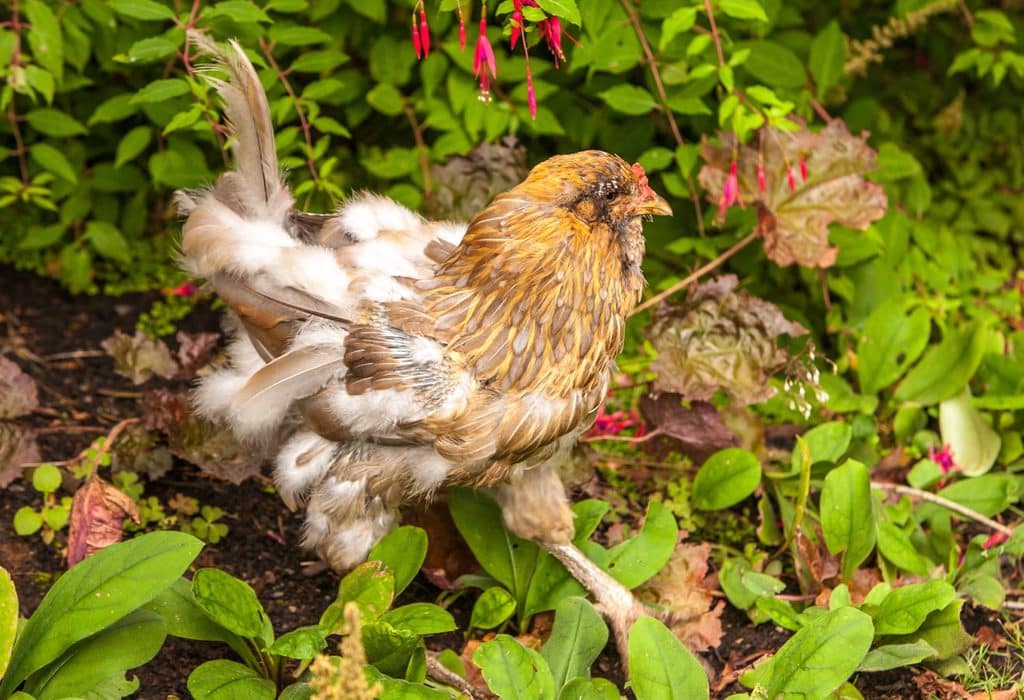
A molting Chicken
Induced molting can extend a flock’s productive life. According to the industry’s guidelines, a flock without molting may leave production at approximately 75 to 85 weeks of age, while molting may extend the cycle to 110 weeks or longer.
Two lengths of one life
A laying hen can live for years. The system only needs about eighteen months of her.
In production · 75–85 weeks
then removed, unless induced molting extends the cycle
With molting · up to 110 weeks or longer
a second laying cycle, after a coordinated resting period
A hen’s lifespan outside production
5-7 years for commercial hens
The language used is often “production cycle,” “laying performance” and “flock efficiency.” Those terms are technically useful, but they can make it easy to forget that we are describing the life of an animal.
A hen does not know she is part of a production cycle. She only experiences what happens to her.
06
What Happens When Hens Stop Laying Enough Eggs?
A laying hen does not suddenly stop producing eggs on a specific birthday. Her production gradually declines, and the strength or marketability of her eggs may change.
When keeping the flock is no longer economically worthwhile, the hens are removed. Some are transported for slaughter and used in lower-value food products. Others may be euthanized, rendered, composted or otherwise removed from the food system, depending on their condition and available processing markets.
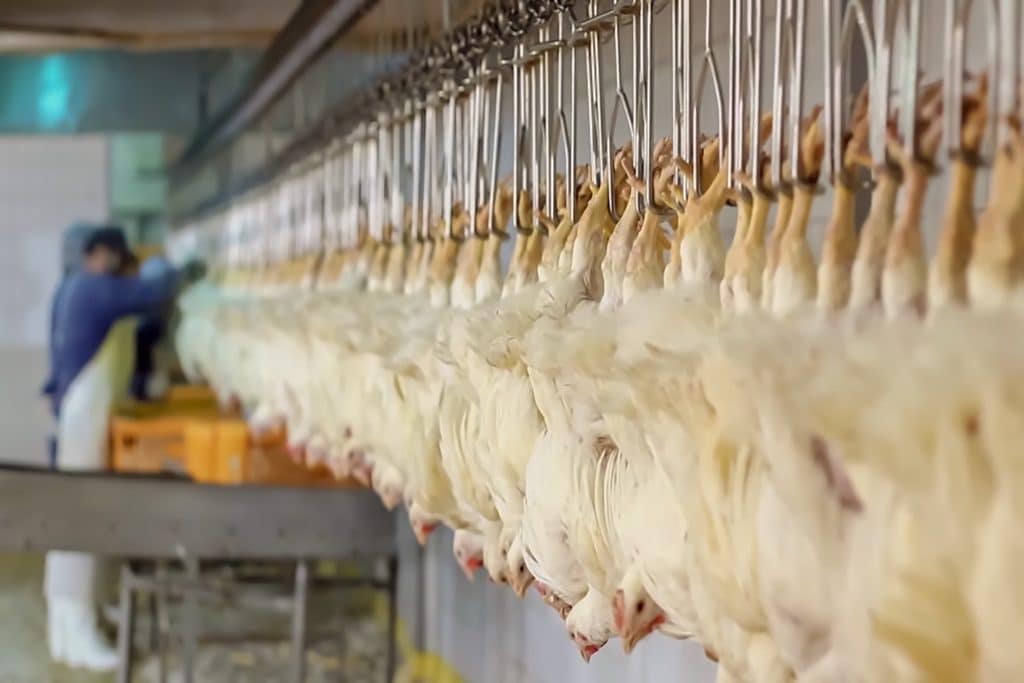
removed Hens
The United States Humane Methods of Slaughter Act does not cover poultry. Poultry handling at slaughter is instead governed through the Poultry Products Inspection Act and its requirement for “good commercial practices.”
Older laying hens can be difficult to transport and process because their bodies may be fragile and there is relatively little market demand for their meat. Once again, the system has been designed around what the hen produces, not around providing her with a long life after production ends.
Her value is connected to her eggs. When the eggs decline, so does her place in the system.
07
Is Cage-Free Egg Farming Better?
Cage-free farming removes one of the clearest welfare problems: the individual cage.
In a cage-free barn, hens can generally move through the building and may have access to nest boxes, perches and litter for scratching or dust bathing. These opportunities matter. The ability to move and perform natural behaviors is a meaningful improvement over spending nearly an entire life inside a small wire enclosure.
Cage-free, ledgered
Cage-free, however, does not mean cruelty-free, outdoors or peaceful
✓
What it genuinely changes
The individual cage is gone — the clearest welfare problem in the system
Hens can generally move through the building
Nest boxes, perches and litter for scratching or dust bathing may be available
Walking, wing-flapping, foraging, perching and private nesting become possible
−
What it does not promise
A small flock — the barn may still hold tens of thousands of hens
Freedom from crowding, feather pecking, cannibalism, disease, keel bone fractures or difficulty reaching resources
Good air quality, or any outdoor access at all
Consistency: management, genetics, flock size, barn design and worker training all decide how the hens live
Cage-free is generally a meaningful step forward. It is not a magical phrase that turns an industrial barn into a chicken spa.
Some risks can also be higher in non-cage systems, including certain injuries and disease exposure. Animal welfare is not measured by one problem alone. Freedom of movement matters, but so do health, air quality, injuries, fear, access to resources and the ability to rest.
Next In This Series
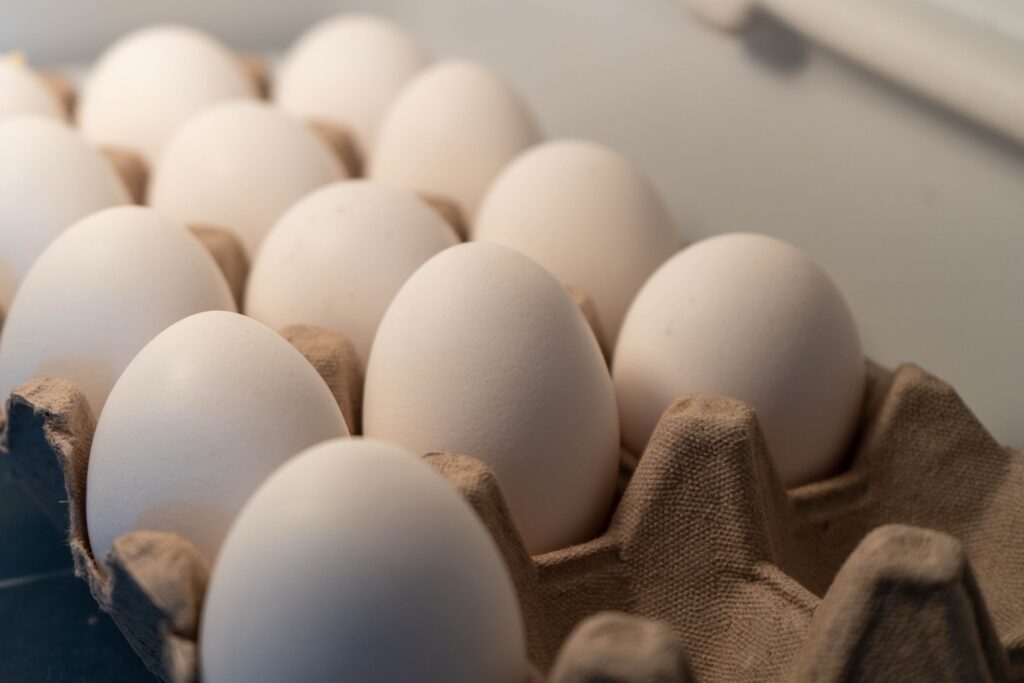
Part 2
·
Labels
We will look more closely at what these egg labels actually mean in the next article in this series.
08
Industrial Egg Farming Affects People Too
The hens experience the system most directly, but they are not the only ones affected.
Poultry-house air can contain dust made up of feathers, feed particles, animal waste, bacteria and other material. Ammonia can accumulate when manure breaks down, particularly when ventilation is inadequate. Exposure to poultry dust and ammonia can damage respiratory health, making ventilation and protective equipment important for farmworkers.
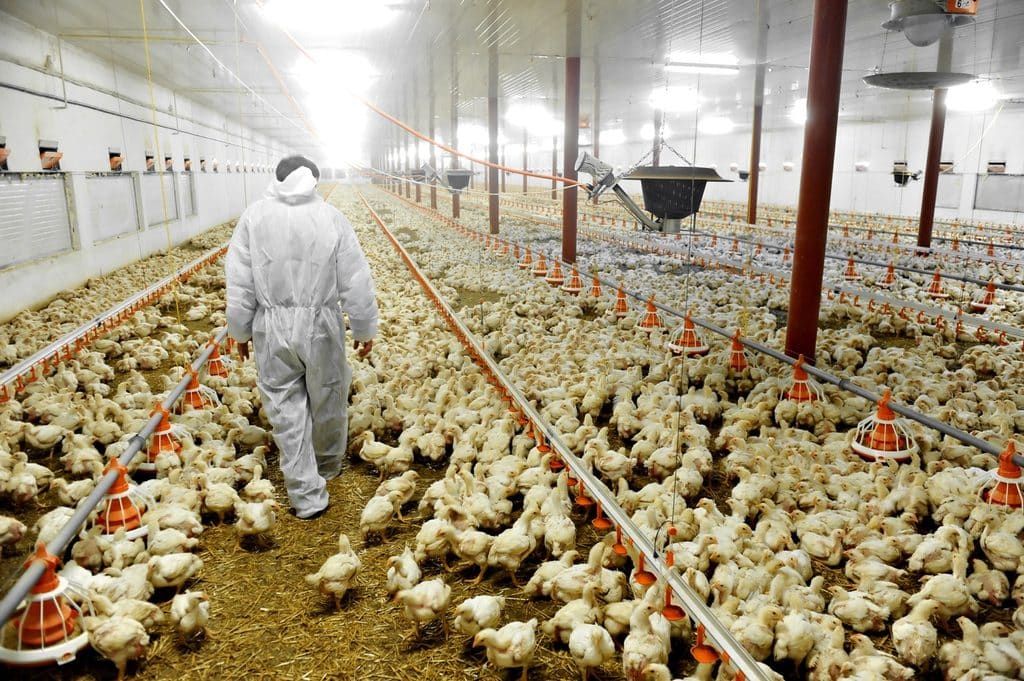
Worker in protective suit
Large egg operations also concentrate enormous amounts of manure in one location. The EPA classifies an operation with at least 82,000 laying hens and a non-liquid manure system as a large concentrated animal feeding operation, or CAFO. Depending on how manure and wastewater are handled, these facilities can create concerns involving air quality, odors, nutrient runoff and nearby water.
Drawn to scale
This is what the EPA calls a large operation. Every dot is one hundred hens.
• • • • • • • • • • • • • • • • • • • • • • • • • • • • • • • • • • • • • • • • • • • • • • • • • • • • • • • • • • • • • • • • • • • • • • • • • • • • • • • • • • • • • • • • • • • • • • • • • • • • • • • • • • • • • • • • • • • • • • • • • • • • • • • • • • • • • • • • • • • • • • • • • • • • • • • • • • • • • • • • • • • • • • • • • • • • • • • • • • • • • • • • • • • • • • • • • • • • • • • • • • • • • • • • • • • • • • • • • • • • • • • • • • • • • • • • • • • • • • • • • • • • • • • • • • • • • • • • • • • • • • • • • • • • • • • • • • • • • • • • • • • • • • • • • • • • • • • • • • • • • • • • • • • • • • • • • • • • • • • • • • • • • • • • • • • • • • • • • • • • • • • • • • • • • • • • • • • • • • • • • • • • • • • • • • • • • • • • • • • • • • • • • • • • • • • • • • • • • • • • • • • • • • • • • • • • • • • • • • • • • • • • • • • • • • • • • • • • • • • • • • • • • • • • • • • • • • • • • • • • • • • • • • • • • • • • • • • • • • • • • • • • • • • • • • • • • • • • • • • • • • • • • • • • • • • • • • • • • • • • • • • • • • • • • • • • • • • • • • • • • • • • • • • • • • • • • • • • • • • • • • • • • • • • • • • • • • • • • • • • • • • • • • • • • • • • • • • • • • • • • • • • • • • • • • • • • • • • • • • • • • • • • • • • • • • • • • • • • • • • • • • • • • • • • • • • • • • • • • • • • • • • • • • • • • • • • • • • • • • • • • • • • • • • • • • • • • • • • • • • • • • • • • • • • • • • • • • • • • • • • • • • • • • • • • • • • • • • • • • • • • • • • • • • • • • • • • • • • • • • • • • • • • • • • • • • • • • • • • • • • • • • • • • • • • • • • • • • • • • • • • • • • • • • • • • • • • • • • • •
82,000 laying hens at one location · 820 dots
• • • • •
500 hens · 5 dots
Roughly the size of flock most people picture when they picture a farm.
Source: EPA regulatory cafo definitions
This does not mean every large farm is polluting its community or treating its workers carelessly. It means concentrating animals also concentrates waste, dust, risk and responsibility.
Scale does not create every problem. It makes the consequences of poor management much larger.
09
Why Does This System Exist?
Industrial egg farming did not appear because one morning every farmer in America collectively decided to abandon kindness.
It developed because consumers wanted inexpensive eggs year-round. Grocery stores wanted uniform size, predictable supply and long contracts. Food manufacturers, restaurants, bakeries and institutions needed eggs and egg products in enormous quantities. Farmers needed systems that could control disease, reduce labor, collect eggs efficiently and produce enough income to justify expensive buildings and equipment.
Cages allowed more hens to be housed in less space. Automation reduced labor. Controlled lighting supported consistent production. Specialized breeding increased the number of eggs produced per hen. Every improvement made the system more efficient.
The trouble is that efficiency can hide costs instead of eliminating them.
The customer pays less at the register. The farmer carries debt, disease risk and pressure to remain competitive. Workers manage huge numbers of birds. Communities deal with concentrated waste and air emissions. Hens pay through confinement, bodily strain and short productive lives.
Who pays for a cheap egg
Cheap food is rarely cheap in every direction
The customer pays less at the register.
The cost moves somewhere else.
The hens
Confinement, bodily strain, short productive lives
Restricted movement and resting behaviors, bone loss, and the inability to forage normally.
The farmer
Debt, disease risk, sunk capital in housing
Plus constant pressure to remain competitive inside markets they did not design.
The worker
Dust and ammonia, at volume
Managing huge numbers of birds in air that can damage respiratory health.
The community
Concentrated waste and air emissions
Odors, nutrient runoff and nearby water, depending on how manure is handled.
Someone — or something — is usually covering the difference.
10
Are Farmers the Problem?
Farmers are responsible for the animals in their care, and cruelty or neglect should never be excused. But blaming individual farmers for an entire industrial food system is both simplistic and convenient.
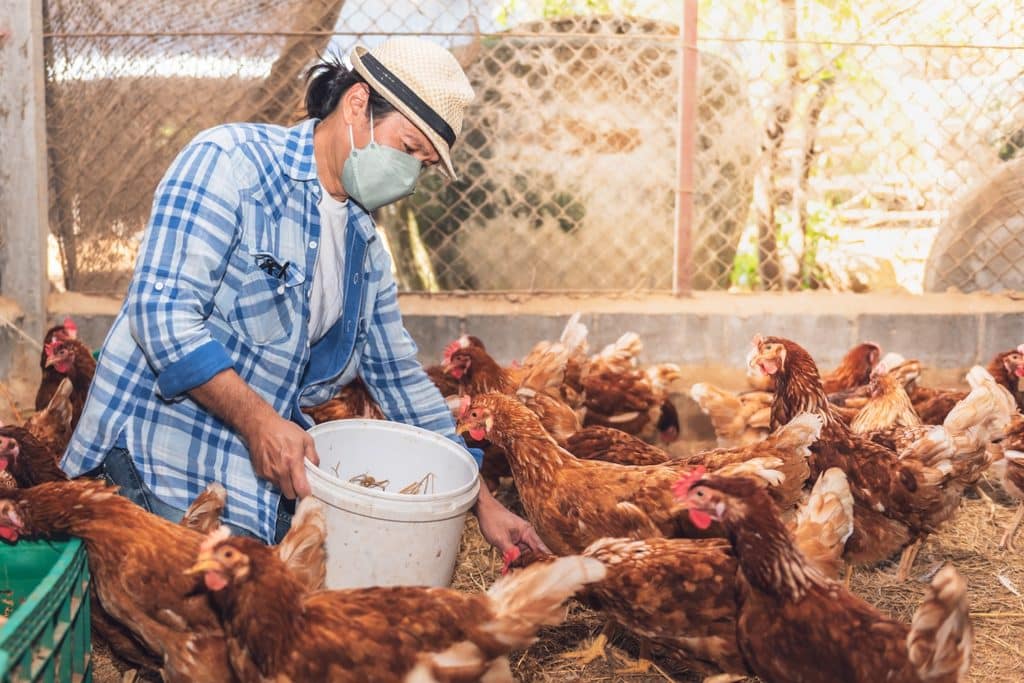
Farmer cleaning a small pen
Farmers operate inside markets shaped by processors, retailers, food companies, regulations, financing, infrastructure and consumer demand. A farmer who has invested heavily in a particular housing system cannot rebuild the operation because six people bought different eggs on Saturday.
Meaningful change requires farmers, retailers, restaurants, legislators, certification programs and consumers to move together. It also requires acknowledging that farmers need a financially realistic path to better practices.
Compassion should not stop at the barn door. It should include the hens, the workers, the farmers and the families trying to feed themselves.
That does not mean accepting harmful systems forever. It means understanding where pressure can create real change instead of simply finding the nearest person to blame.
11
What Can Egg Buyers Do?
After reading about industrial egg production, it is easy to stand in front of the egg case feeling as if you have been assigned a final exam with twelve nearly identical cartons. You have not.
You do not have to make every change today, and you do not have to buy the most expensive eggs in the store to prove that you care. Food budgets are real. Availability is real. A family using eggs as an affordable source of protein should not be shamed for buying what it can afford.
Start with awareness.
When better eggs are available and fit your budget, choose them. Learn what the labels mean instead of trusting pastoral artwork and reassuring shades of green. Buy directly from a farmer when you can ask how the hens are raised. Use eggs where they truly matter and experiment with using fewer where they do not. Most importantly, avoid wasting the eggs you buy.
One thoughtful choice will not dismantle industrial agriculture. Repeated choices, clearer standards, public pressure and better policies can move the system.
Your grocery cart is part of the answer. It should not be expected to carry the entire answer by itself.
This Is Intentional Cooking
The point is not to cook with guilt. The point is to cook with your eyes open.
Learning how eggs are produced can make something familiar feel suddenly complicated. Yesterday it was breakfast. Today it has a housing system, a supply chain and an ethical biography. That discomfort is not useless. It means we are paying attention.
Intentional Cooking does not ask us to become perfect or to treat every meal like a moral emergency. It asks us to remember that ingredients come from somewhere. Eggs come from hens – not cartons, grocery stores or the magical farm painted on the label.
We can care about animal welfare and still understand grocery budgets. We can support better farming without pretending every small farm is perfect. We can eat eggs while choosing them more carefully, using them more thoughtfully and wasting fewer of them.
The point is not to cook with guilt. Guilt has never improved an omelet. The point is to cook with our eyes open.
Five questions to ask in the egg aisle
Where did the egg come from?
What does the label actually guarantee?
Is a better option available and affordable?
Do I need eggs in this particular dish?
What kind of farming does my purchase help support?
Sometimes your choice will be limited. Sometimes you will choose differently. Sometimes you will decide that this is where an egg earns its place. But now it is a conscious decision.
That is where change begins.
Cook like it matters.

Let’s talk about cooking with purpose.
Intentional Cooking is not fancy. It is honest. Every ingredient matters. Make it yours.
Frequently Asked Questions
Are all supermarket eggs produced on factory farms?
No. Supermarkets may sell eggs from conventional caged, cage-free, free-range, pasture-raised, organic and smaller regional farms. However, large-scale production is common, and a cage-free or organic label does not necessarily mean the farm is small.
Are cage-free eggs humane?
Cage-free housing allows hens more movement and opportunities to perform natural behaviors, making it a meaningful improvement over conventional cages. It does not guarantee outdoor access, low stocking density or excellent welfare. Farm management and certification standards still matter.
Are brown eggs more humane than white eggs?
No. Shell color is primarily determined by the breed of hen. A brown egg does not reveal how the hen was housed or treated. Apparently, chickens did not receive the memo that brown packaging is supposed to look more wholesome.
Do hens need a rooster to produce eggs?
No. Hens naturally lay eggs without a rooster. A rooster is only necessary for eggs to be fertilized and potentially develop into chicks.
Why are laying hens’ beaks trimmed?
Beak treatment is used to reduce serious feather pecking and cannibalism in commercial flocks. It can help prevent injuries, but the procedure itself can cause pain and stress. Better genetics, flock management, enrichment and housing can reduce the conditions that contribute to harmful pecking.
What happens to male chicks in the egg industry?
Male chicks from egg-laying breeds cannot produce eggs and generally do not grow efficiently enough for conventional chicken-meat production. Their fate is a significant welfare issue and will be covered fully in a separate article in this series.
What happens to hens when their egg production declines?
Hens are usually removed from the production flock when keeping them is no longer economically worthwhile. Depending on their health and available markets, they may be transported for slaughter, processed into lower-value products, euthanized, rendered or composted.
Hatchery to carton
An egg travels one direction. This article follows it from pullet rearing to the end of lay.
Hatchery
sexing, culling
→
Pullet rearing
beak treatment
→
Housing system
cage · cage-free · range · pasture
→
Laying period
lighting, molt
→
End of lay
removal
→
Grading & labeling
the claim is set here
→
Carton
the shelf
→
Kitchen
your recipe
■ The span this article follows
▢ Covered by the four companion pieces below
The Intentional Cooking Series: Eggs
5 Articles
Part 1 · You Are Here
The Truth About Industrial Egg Farming
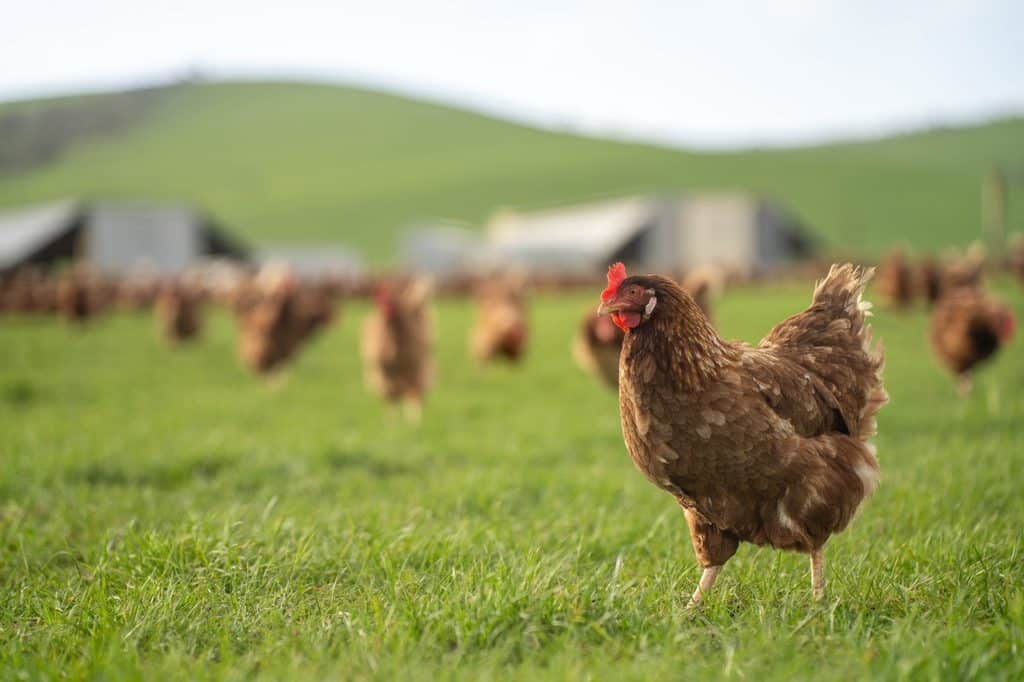
Part 2 · Labels
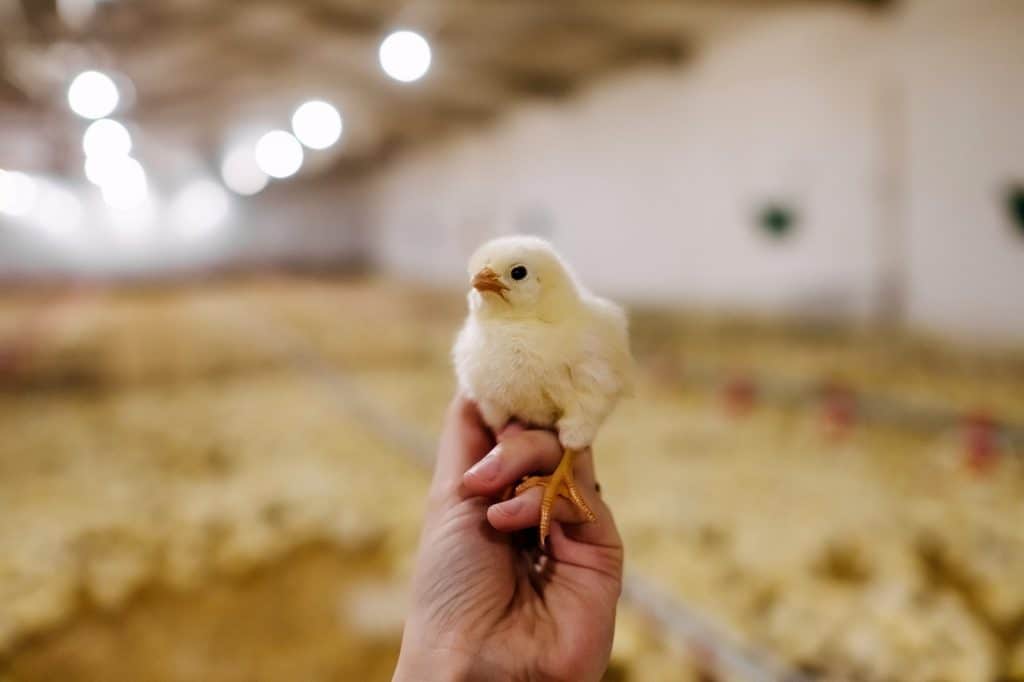
Part 3 · Males
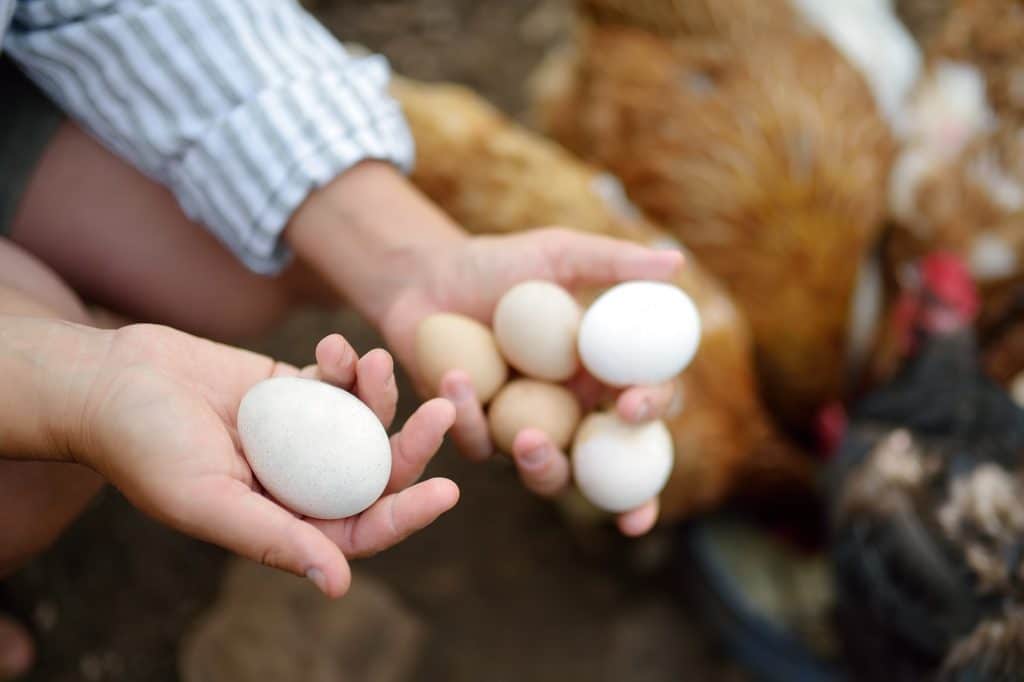
Part 4 · Buying Guide

Part 5 · Alternatives
Leave a Reply