


There are plenty of one-pan versions of this recipe, but after testing it that way, I decided roasting the squash separately was absolutely worth the extra sheet pan. The squash cooks more evenly and develops those delicious golden, caramelized edges instead of requiring constant babysitting (stirring) in the hopes that every piece of squash cooks evenly.
Best of all, the squash roasts while you make the orzo. So although we’re technically using two pans, we’re not adding much work, yet we are developing more flavor!
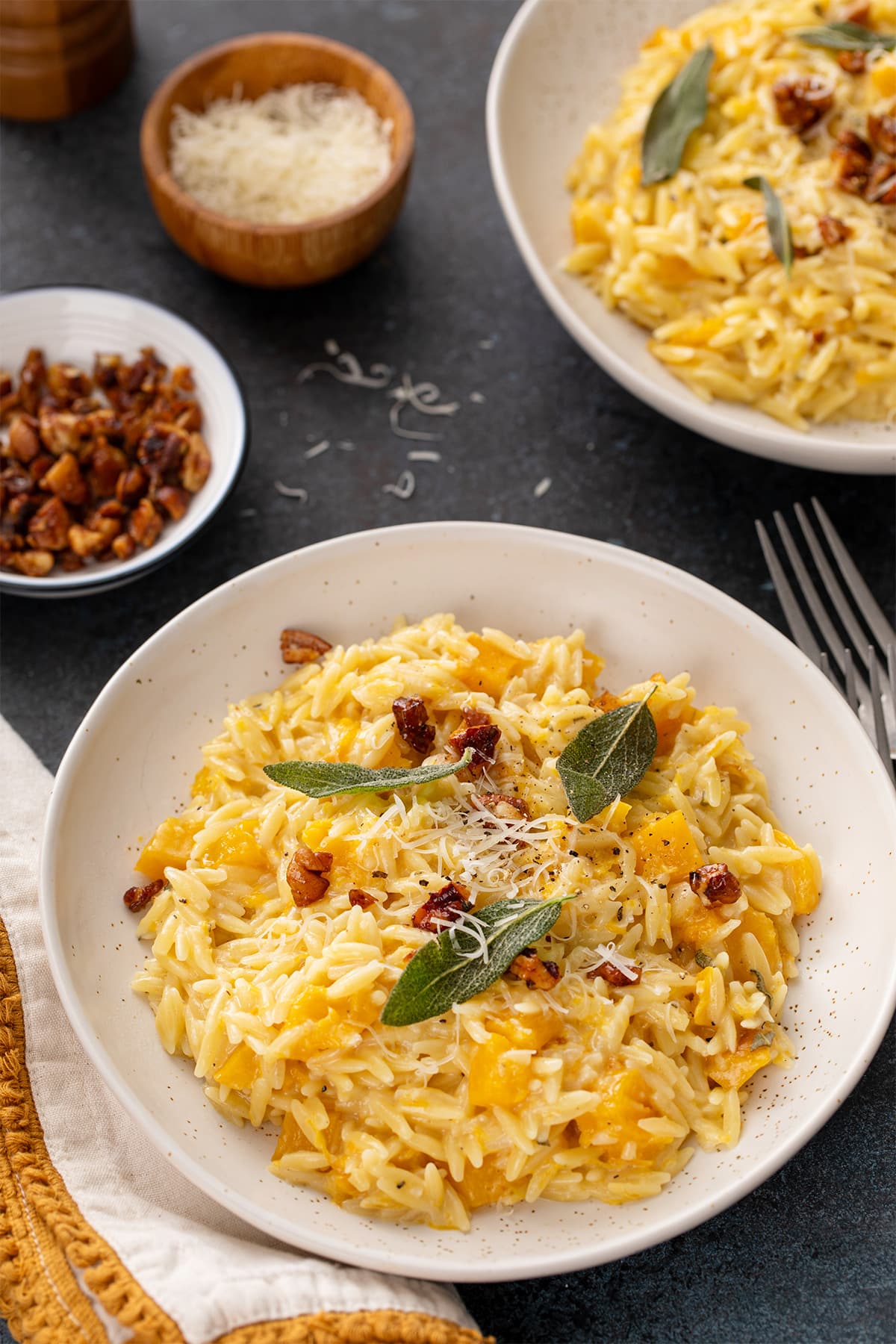
⭐️ Recipe Highlights
- Flavor: The richness of nutty brown butter, the sweetness of caramelized roasted butternut squash, the umami of Parmesan cheese, and the brightness of fresh herbs and orzo pasta makes this dish seasonal, cozy and comforting.
- Easy: The squash roasts in the oven hands-off, while the rest of the recipe cooks in one pot on the stovetop.
- Vegetarian Comfort Food: This rich and creamy pasta recipe can be served as a meatless main dish or as a side dish. It is delicious enough to be worthy of the holidays!
- Budget-Friendly: Made with simple pantry staples and winter squash, this is a restaurant quality recipe that won’t break the bank.
- Dietary: Vegetarian. Contains dairy and wheat. Nut-free, egg-free.
💡 Why I Roast the Butternut Squash Separately
When I tested this recipe by cooking the raw butternut squash in the skillet with the orzo, the results weren’t consistent enough for me.
Even after cooking the squash for 15 to 20 minutes, some pieces would be perfectly tender while others were still too firm. Meanwhile, I had to keep stirring the pan to make sure the orzo didn’t stick or scorch on the bottom.
Roasting the squash fixed both problems. The squash goes into the oven while I prep and cook everything else. It becomes completely tender and develops golden brown edges that add another layer of flavor. Once the roasted squash meets the creamy orzo, I know I’m not going to find an annoying undercooked cube hiding in my dinner.
Sometimes one extra pan actually makes dinner easier and the cooking a lot less stressful.
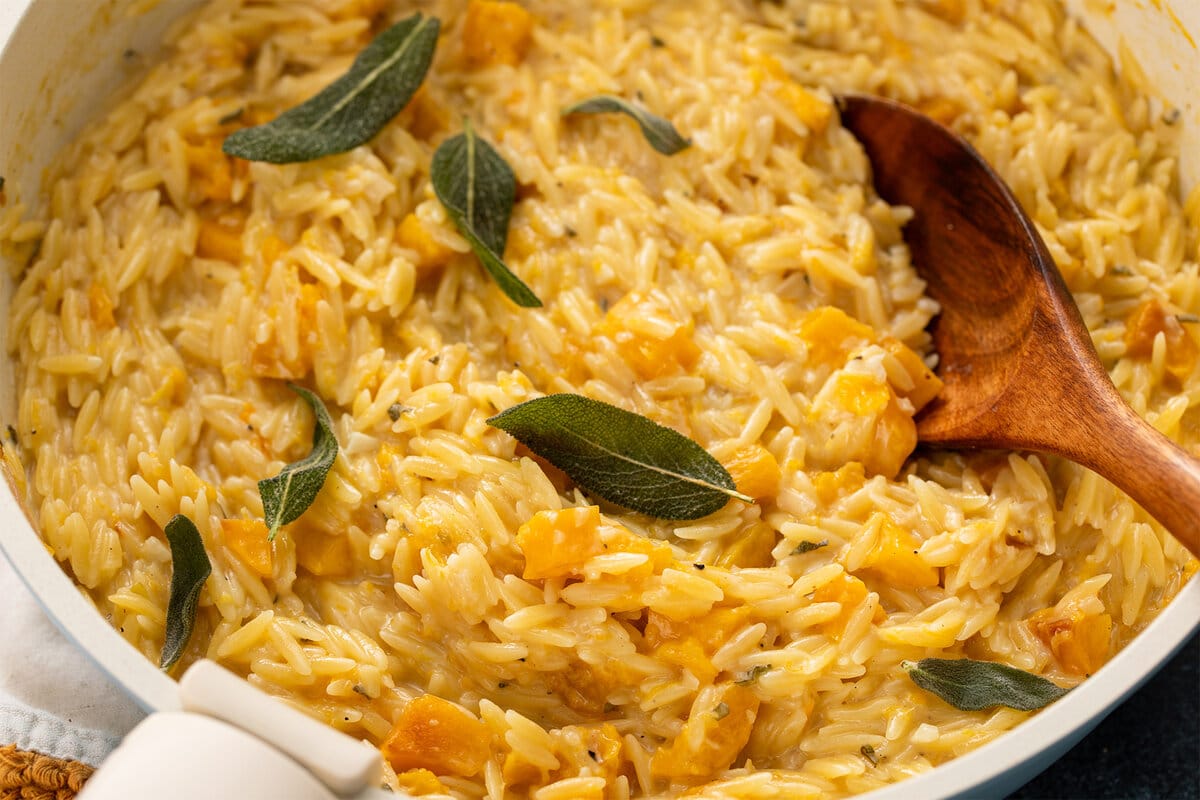
📝 Ingredients, Substitutions and Swaps

For the complete list of ingredients and exact quantities, check the printable recipe card below.
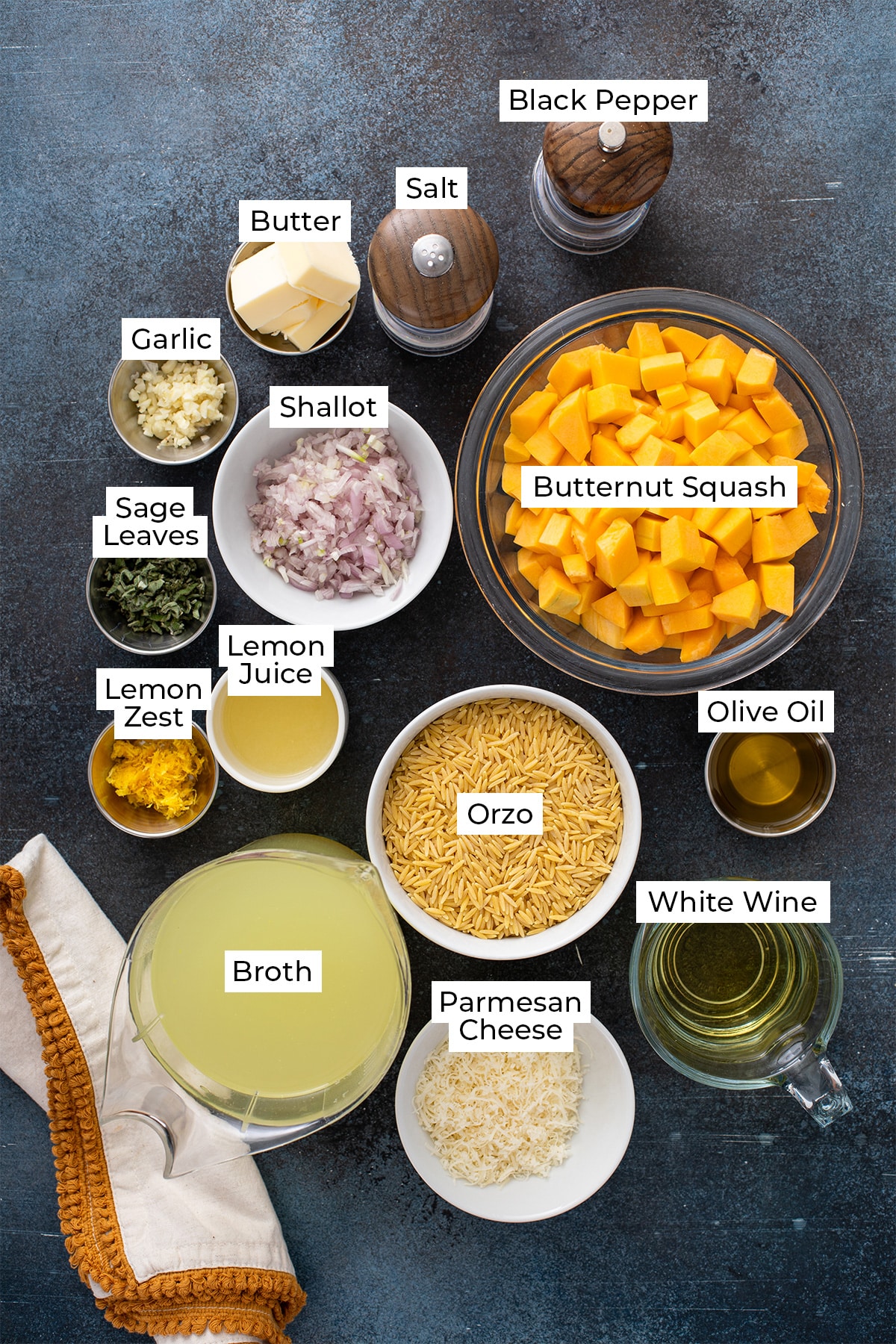
- Butternut Squash: You’ll need about 3 cups of peeled, ½-inch cubes. Cutting the pieces fairly evenly helps them roast at the same rate. Pre-cut fresh butternut squash is absolutely fine if you want to save some prep time, although not cost effective. If you buy pre-cut squash, make sure that the pieces are somewhat even in size. Kabocha squash, acorn squash and delicata squash can also be used.
- Olive Oil and Butter: Oil helps the squash roast and brown. Browning the butter gives the orzo a rich, nutty flavor that works beautifully with the winter squash.
- Shallot: Milder and slightly sweeter than onion, although a very small brown or yellow onion can be substituted.
- Garlic: Fresh garlic adds savory flavor without overpowering the squash.
- Fresh Sage or Rosemary: Sage is the classic pairing here, but rosemary is wonderful too. Use about 8 to 10 chopped sage leaves or 2 teaspoons of finely chopped fresh rosemary.
- Lemon: Both the zest and juice keep a rich dish like this from tasting heavy.
- Orzo: Although it looks like rice, orzo is actually a small pasta. Cooking it directly in broth releases starch that naturally gives the dish its creamy consistency, very similar to risotto.
- Dry White Wine: Adds acidity and depth. If you don’t cook with wine, simply use additional broth.
- Broth: Vegetable or chicken stock can both be used. I don’t recommend using plain water because broth imparts a layer of flavor to the pasta while it cooks. When I’m not serving vegetarians, I prefer making this dish with chicken stock.
- Parmesan Cheese: Adds savory umami flavor and finishes the creamy sauce. Freshly grated Parmesan melts much better than pre-grated cheese but if pre-grated Parmesan is all you have, no worries. You can achieve great results even with the cheaper stuff.
Optional Toppings
Fried sage leaves, extra Parmesan, crushed red pepper flakes and candied pecans are all delicious. I especially love the pecans when I want a little crunch and sweet-salty contrast.
✅ How to Make Butternut Squash Orzo
Scroll down to the printable recipe card below for detailed instructions and cooking times.
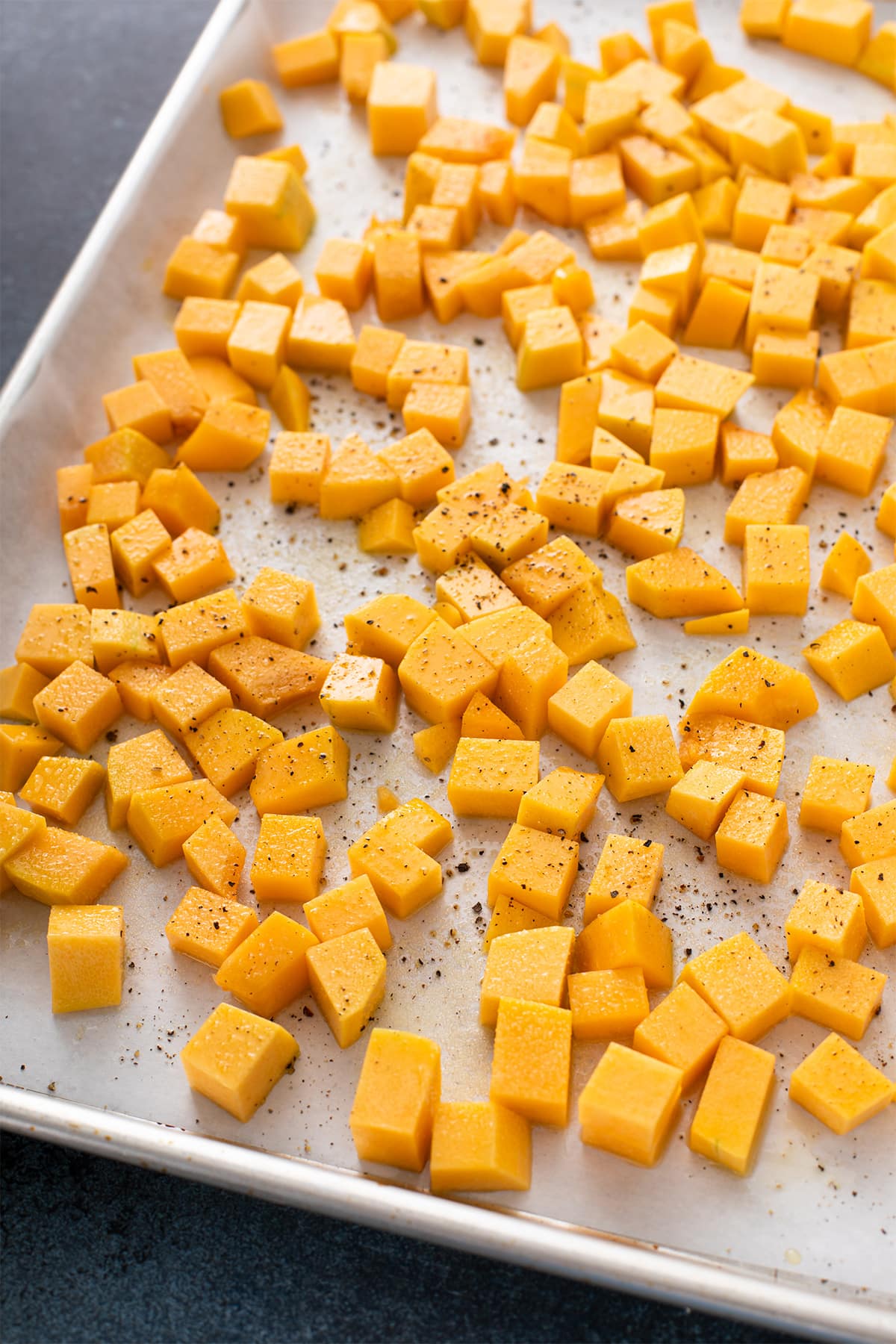
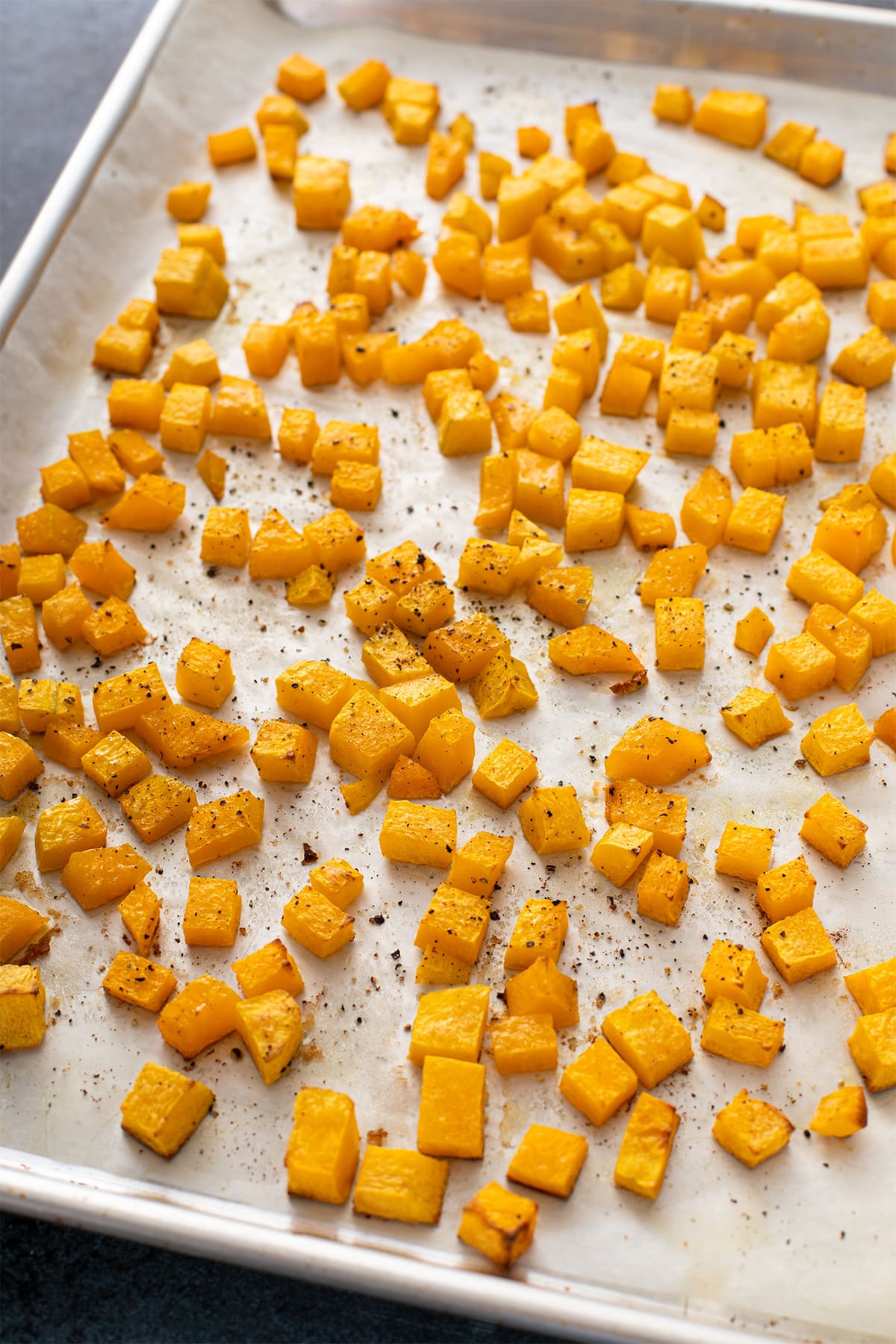
- Roast the squash. Preheat the oven to 400ºF (200°C) and line a sheet pan with parchment paper. Toss the butternut squash with olive oil, salt and pepper. Spread it into a single layer and roast for 30 to 35 minutes, or until tender with golden brown edges.
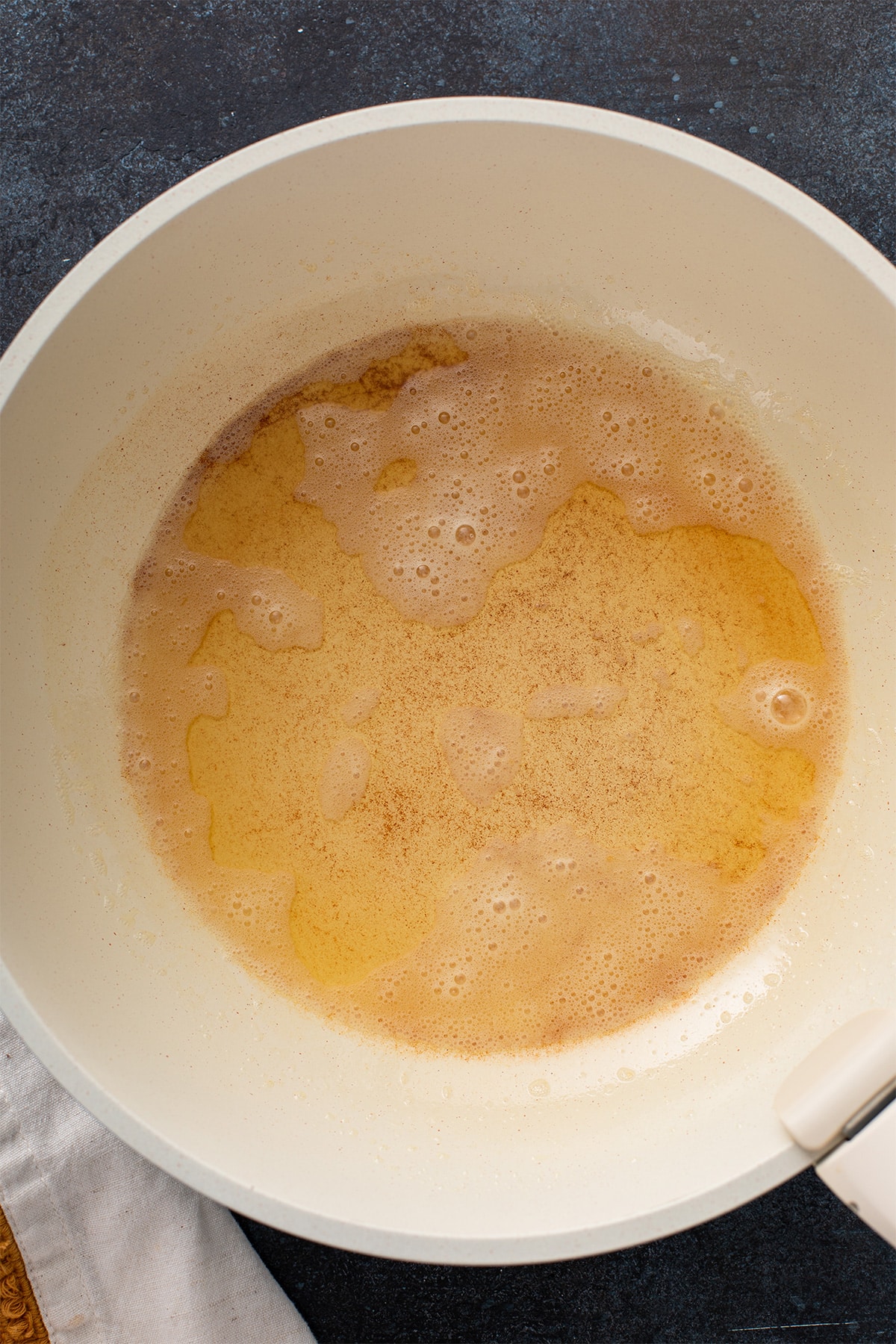
- Brown the butter. While the squash roasts, melt the butter in a medium Dutch oven or large 12-inch skillet over medium heat. Continue cooking, swirling occasionally, until the bubbling begins to quiet and the milk solids turn golden brown and smell rich and nutty, about 3 to 4 minutes. Watch it closely – brown butter can go from perfect to burnt quickly.
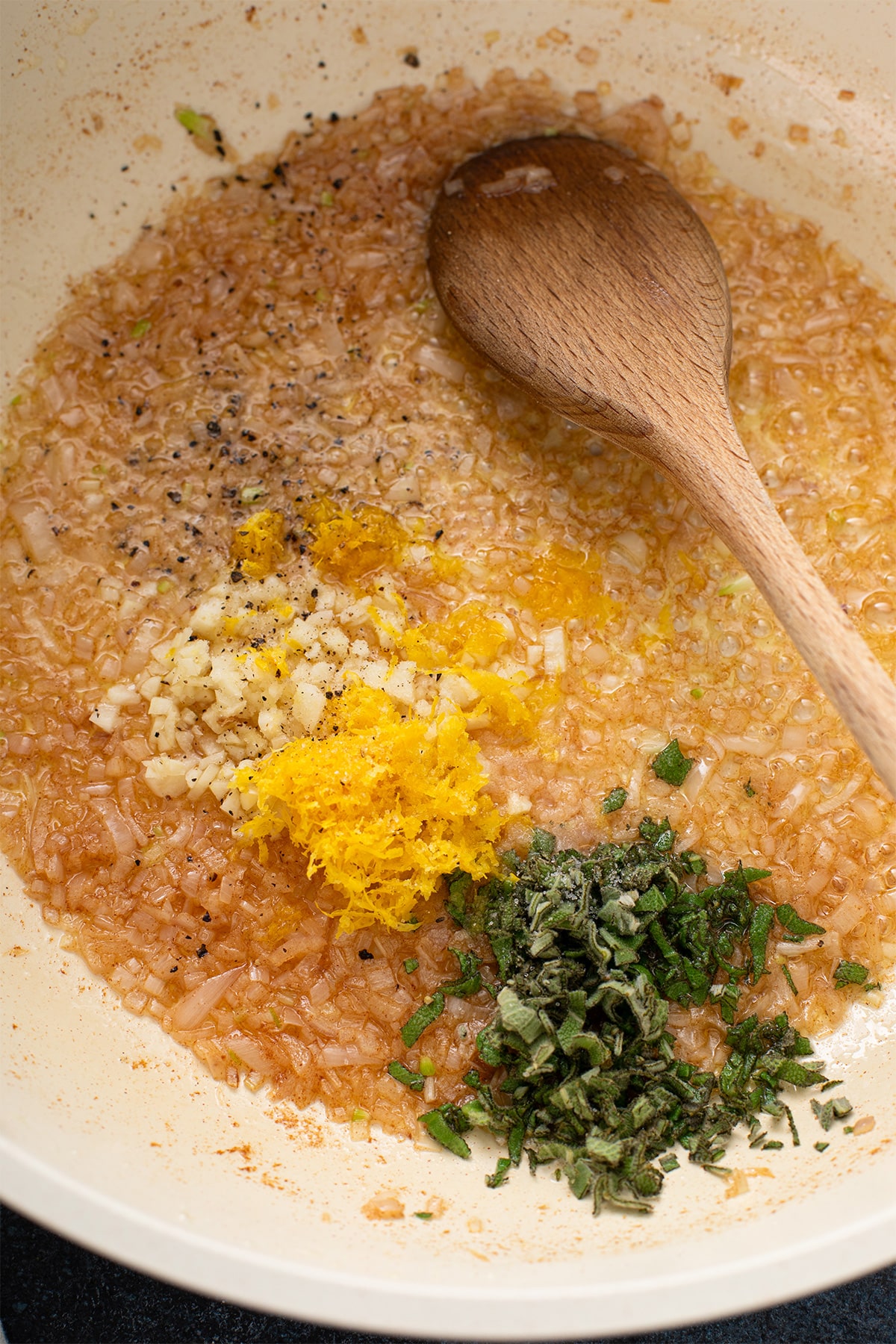
- Cook the aromatics. Add the shallot and cook for about 2 minutes or until softened. Stir in the garlic, sage or rosemary, salt, pepper and lemon zest. Cook for about 1 minute, just until fragrant.
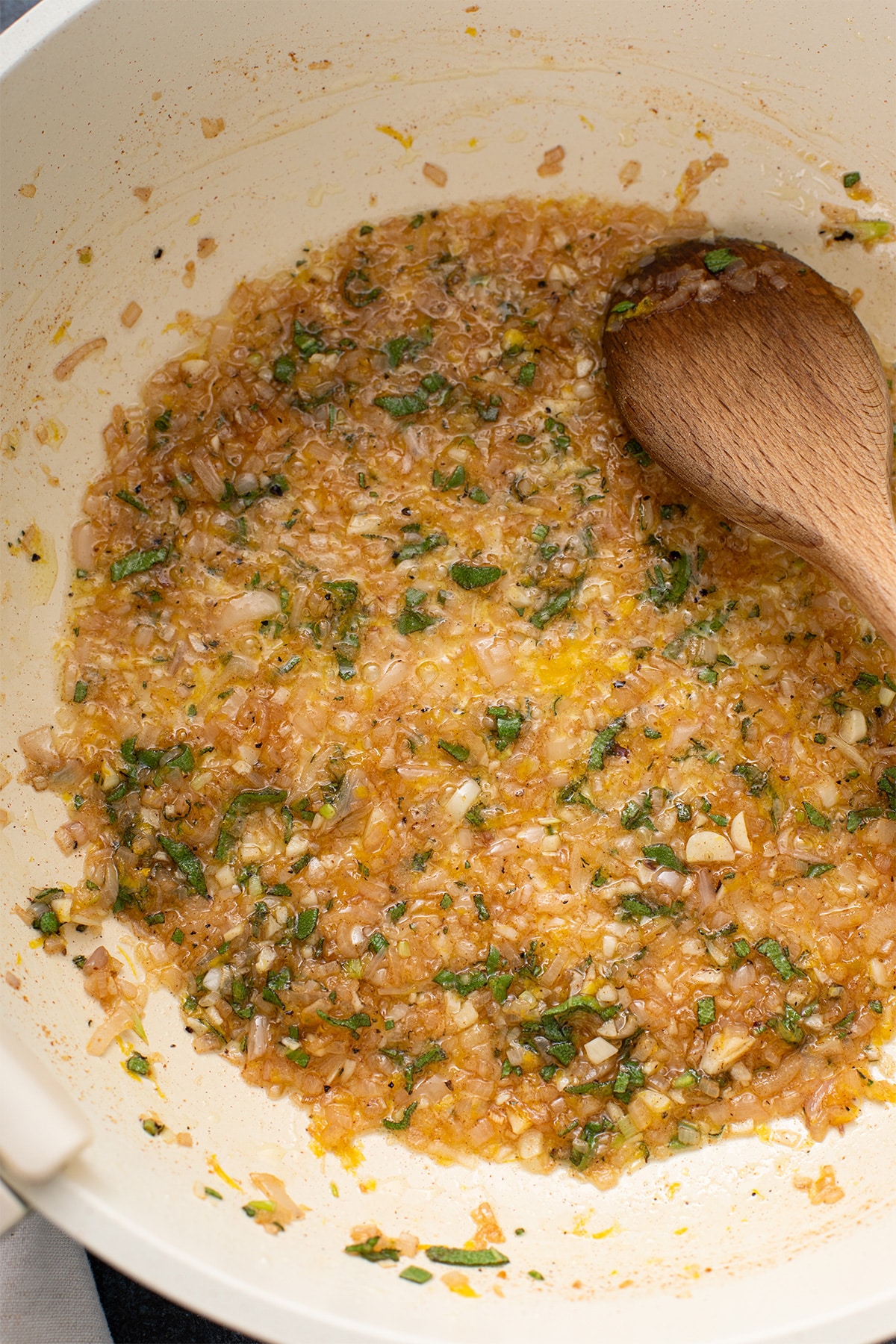
- Toast the orzo. Stir in the dry orzo and cook for 1 to 2 minutes, stirring frequently, until lightly toasted.
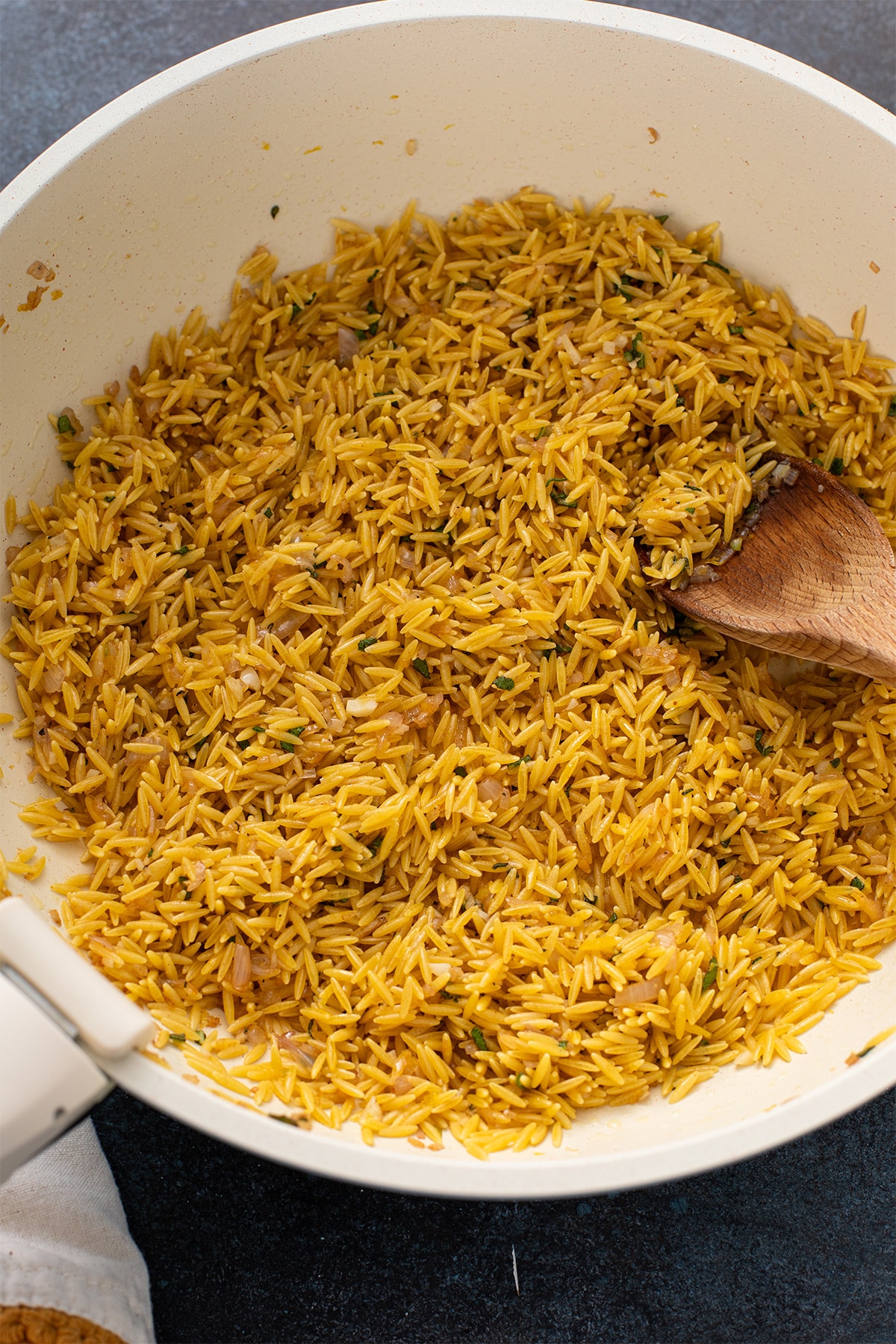
- Deglaze with wine. Slowly pour in the white wine, scraping up the flavorful browned bits from the bottom of the pan. Simmer until the wine has almost completely reduced, about 1 to 2 minutes. If skipping the wine, use ½ cup broth instead.
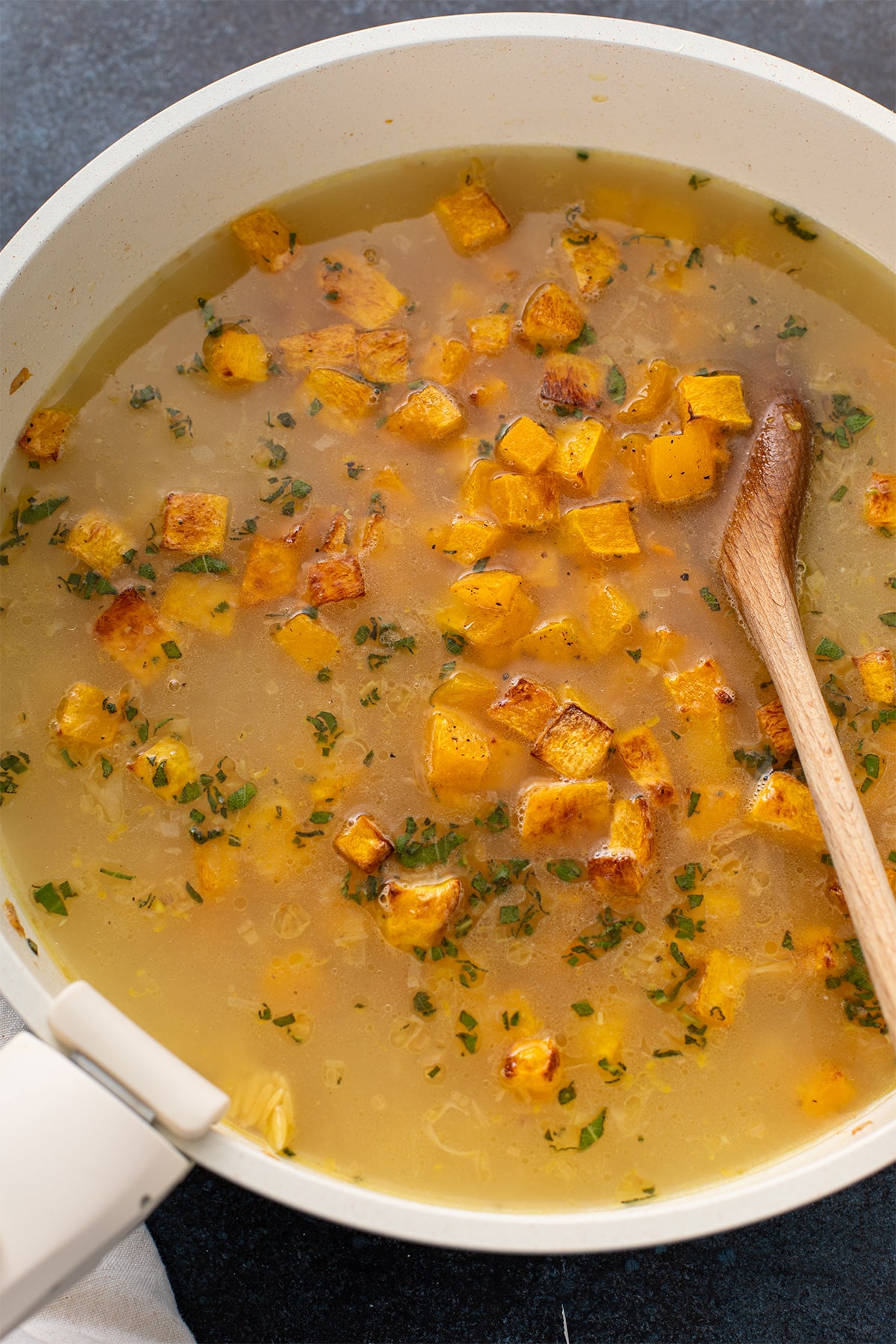
- Cook the orzo. Add 3 cups of broth, the lemon juice and roasted butternut squash. Bring to a quick boil, then reduce the heat to medium-low. Simmer for about 14 to 16 minutes, stirring occasionally, until the orzo is tender and creamy. Add a splash of additional broth if the pan begins to look dry before the pasta is tender.
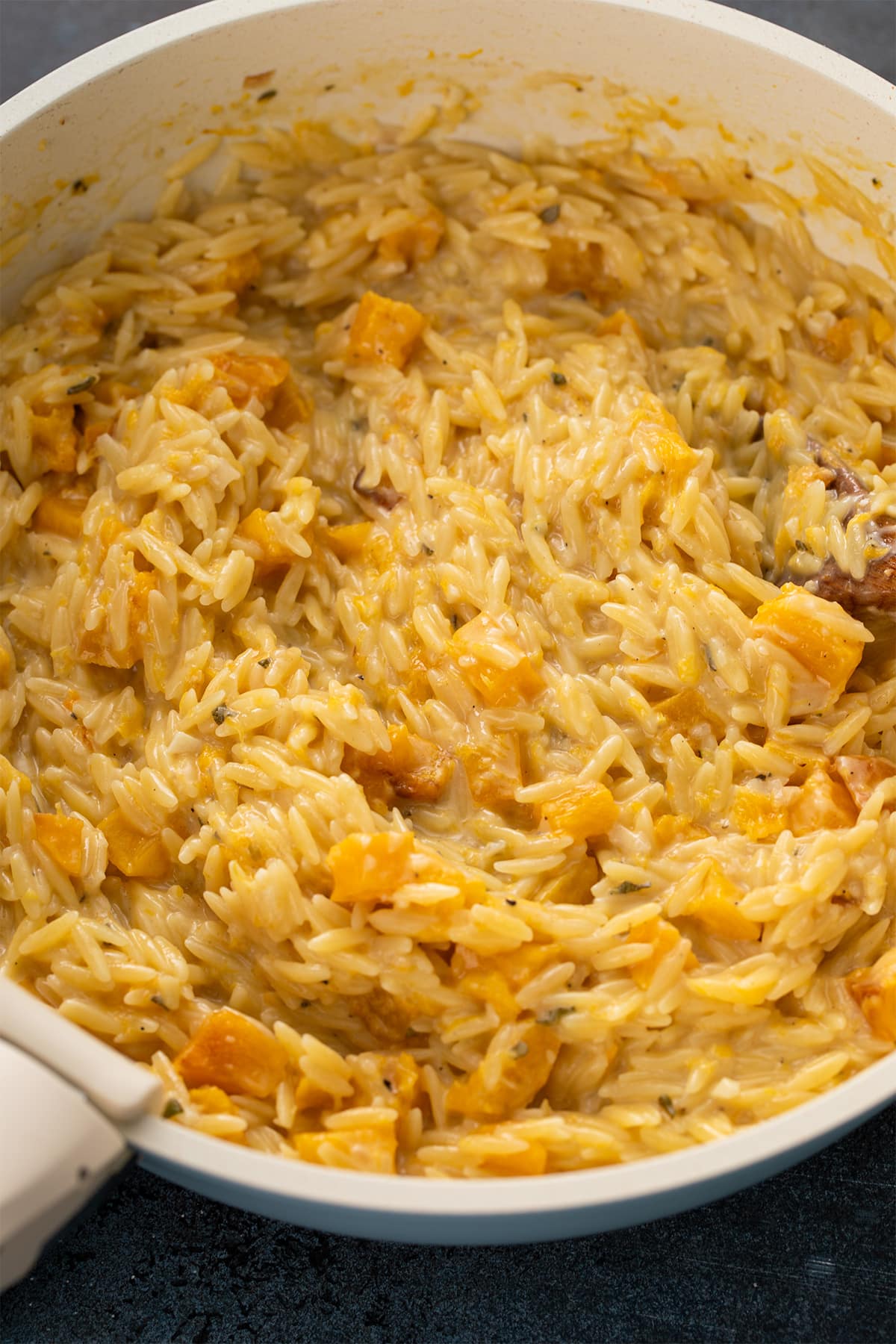
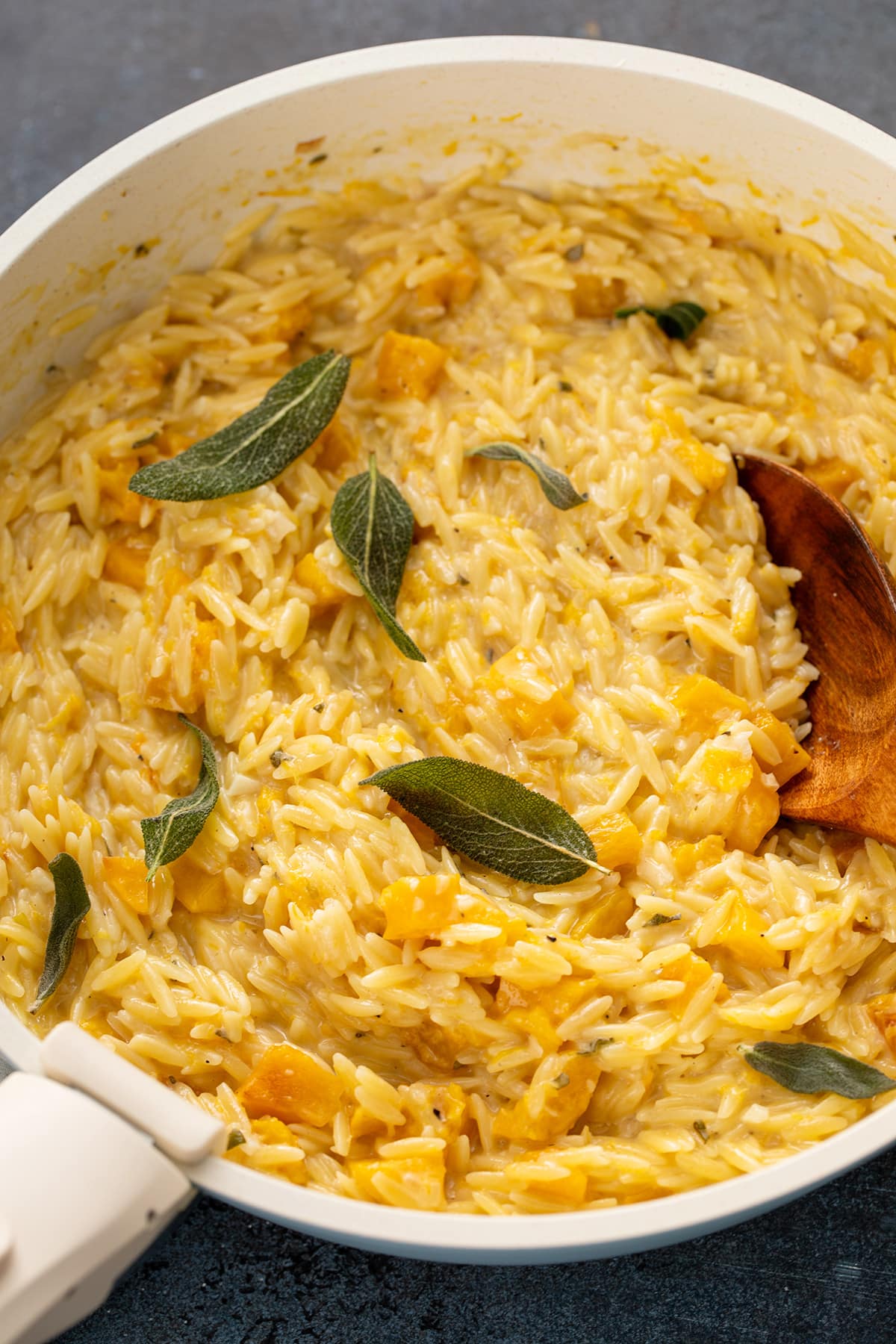
- Finish with Parmesan. Remove the pan from the heat and stir in the Parmesan. Taste and adjust the seasoning. Serve immediately with your favorite toppings.
🔪 Chef Tips for the Best Butternut Squash Orzo
- Convenience vs Budget: Pre-cut butternut squash saves time, but it costs more and the cubes can be uneven. Cut any larger pieces down to about ½-inch so they roast evenly. Buying a whole squash is also more budget-friendly.
- Don’t crowd the squash. Give those little cubes some space on the sheet pan. Crowding traps moisture and encourages steaming rather than browning.
- Watch your brown butter. Once the milk solids begin to turn golden, things happen quickly. As soon as it smells nutty and toasted, it’s done!
- You don’t need to stir constantly. This is creamy orzo, not a punishment. Give it an occasional stir and scrape across the bottom of the skillet so nothing sticks.
- Don’t panic if it looks loose. Orzo continues absorbing liquid as it sits. In fact, I would rather pull it from the heat slightly loose and creamy than let it become dry and stiff.
- Serve it fairly quickly. Like risotto, creamy orzo is at its best shortly after cooking. If it thickens before serving, stir in a splash of warm broth.

🔎 What to Serve with Butternut Squash Orzo
For a full vegetarian meal, I like to serve this dish with garlicky sauteed spinach or a simple salad.
It also makes a beautiful fall side dish with roast chicken, baked pork chops, and roasted turkey breast, which makes it a very nice option for Thanksgiving or other holiday dinners.
❄️ Make-Ahead, Storage, Freezing and Reheating
- Make Ahead: The butternut squash can be peeled, cubed and roasted a day or two in advance. Refrigerate it in an airtight container. Remove from the fridge right before you start browning the butter to get the chill out. Add it to the recipe as directed.
- Storage: Refrigerate leftover butternut squash orzo in an airtight container for up to 3 to 4 days.
- Reheating: Orzo absorbs broth as it sits, so leftovers will be thicker. Reheat gently on the stovetop or in the microwave with a splash of broth to restore some of the creamy texture.
- Freezing: You can freeze it, but this is one of those dishes I prefer fresh or refrigerated. Pasta will soften somewhat after freezing and thawing. If you do freeze it, cool completely, store airtight and add fresh broth while reheating.

💛 Conscious Bites
Your priorities, your recipe. Learn about Intentional Cooking.

Time & Convenience: Using an extra sheet pan might not sound like a shortcut, but sometimes the easiest method isn’t the one with the fewest dishes. Roasting the squash lets the oven do the work while you cook the orzo, giving you reliable results without standing over the stove stirring squash for 20 minutes.

Budget Friendly: This cozy dinner is made mostly with inexpensive pantry staples. Buying a whole squash and skipping the wine if needed keeps it even more budget-friendly.
👀 Take a look at these other easy recipes:






🛒 My Favorite Kitchen Essentials
-

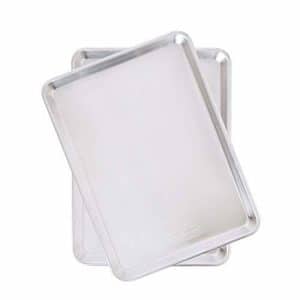
Baking Sheets, Set of 2
Two Nordic Ware aluminum half sheet pans, made in the USA. They bake cookies and roast vegetables evenly, and the steel rims keep them from warping in a hot oven. The inside measures about 17 x 12 inches.
-

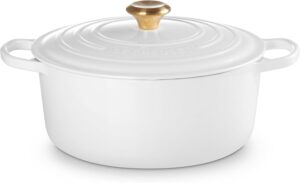
Le Creuset Enameled Cast Iron Dutch Oven
This is the Rolls-Royce of Dutch ovens. An investment piece that lasts a lifetime. High quality, easy to clean, durable with perfect heat distribution. Definitely an investment piece. 7.5 Qt capacity. Available in many colors.
-

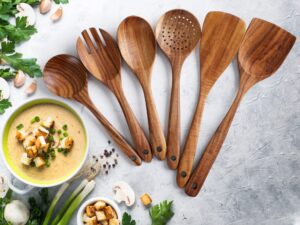
Elegant 6-Piece Wooden Spoon Set: The Perfect Kitchen Gift
My go-to wooden spoon set: six teak utensils, including a serving spoon, spatula, turner and skimmer. Teak is durable and water resistant, and wood won’t scratch my pans, so I reach for these to scrape up browned bits and stir risotto-style dishes. They also make a lovely gift.
-
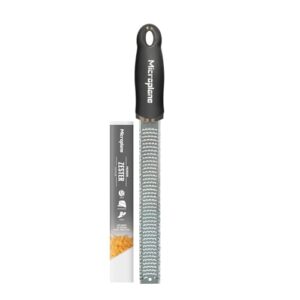
Zester and Grater
The gold standard for zesting citrus — razor-sharp stainless steel etched blades pull fine, aromatic zest without any bitter pith. Equally at home grating hard cheese, chocolate, or fresh ginger.
-

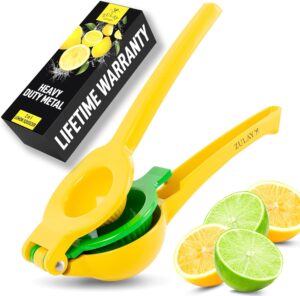
Citrus Juicer – Squeezer
A sturdy, no-frills kitchen essential that extracts maximum juice from lemons and limes while keeping seeds out. Easy to use, easy to clean, and perfect for dressings, marinades, cocktails, and everyday cooking when fresh citrus flavor matters.

Butternut Squash Orzo with Brown Butter and Sage

Ingredients
For the Butternut Squash
- 2 to 3 tablespoons olive oil
- 1 small butternut squash, (about 2 pounds), peeled, seeded and cut into ½-inch cubes, about 3 cups
- Salt and ground black pepper, to taste
For the Orzo
- 3 tablespoons butter
- 1 medium shallot, diced
- 2 garlic cloves, minced
- 8 to 10 fresh sage leaves, finely chopped, about 1 tablespoon, or 2 teaspoons finely chopped fresh rosemary
- 1 teaspoon salt, plus more to taste
- ¼ teaspoon ground black pepper
- 1 lemon, zest and juice, divided
- 1½ cups orzo, uncooked
- 1 cup dry white wine
- 3 cups chicken or vegetable broth, plus more if needed
- ¼ cup Parmesan cheese, freshly grated, plus more for serving
Optional Toppings
- sage leaves, fresh or crispy fried
- crushed red pepper flakes
- Parmesan cheese, extra, for serving
- candied pecans
Instructions
- Preheat the oven to 400ºF (200ºC). Line a large sheet pan with parchment paper.
- Place the cubed butternut squash on the prepared pan. Drizzle with olive oil and season with salt and black pepper. Toss to coat, then spread the squash into a single layer without overcrowding the pan.
- Roast for 30 to 35 minutes, or until tender and golden brown around the edges. Remove from the oven and set aside.
- Meanwhile, melt the butter in a medium Dutch oven or large 12-inch skillet over medium heat. Continue cooking, swirling the pan occasionally, until the bubbling begins to quiet and the milk solids at the bottom turn golden brown and smell rich and nutty, about 3 to 4 minutes. Watch carefully so the butter doesn’t burn.
- Add the shallot and cook, stirring occasionally, for about 2 minutes, or until softened.
- Stir in the garlic, sage or rosemary, salt, black pepper and lemon zest. Cook for about 1 minute, until aromatic.
- Add the orzo and cook, stirring frequently, for 1 to 2 minutes, until lightly toasted and fragrant.
- Slowly pour in the white wine while scraping any browned bits from the bottom of the skillet with a wooden spoon. Simmer until the wine has almost completely reduced, about 1 to 2 minutes.
- Add the 3 cups of broth, lemon juice and roasted butternut squash. Stir to combine. Bring to a quick boil, then reduce the heat to medium-low.
- Simmer for 14 to 16 minutes, stirring occasionally, until the orzo is tender and the mixture is creamy. If the orzo becomes dry before it is completely tender, stir in additional broth as needed.
- Remove from the heat and stir in the Parmesan cheese. Taste and adjust the seasoning.
- Serve immediately topped with additional Parmesan, red pepper flakes, fried sage or candied pecans, if desired.
Notes
- Butternut Squash: Cut the squash cubes into fairly even pieces to ensure even cooking. If you buy pre-cut squash, make sure that the pieces are somewhat even in size as well.
- Using other winter squash: Honeynut, kabocha, delicata, acorn squash or sugar pumpkin can be substituted. Roast until completely tender; cooking times may vary. I don’t recommend spaghetti squash for this recipe because of its stringy texture.
- Brown butter: Keep an eye on it! Once the milk solids begin to turn golden, things happen quickly. As soon as it smells nutty and toasted, it’s done!
- Wine: Use a dry white wine such as Chardonnay, Pinot Grigio or Sauvignon Blanc. The alcohol in the wine cooks off. If you prefer, use all broth instead. Deglaze the pan with ½ cup broth and let it reduce for about 1 minute. Then add the remaining 3 cups to cook the orzo as indicated in the recipe.
- Broth: Broths vary quite a bit in saltiness. Taste the finished orzo before adding additional salt.
- Consistency: The orzo will continue to absorb liquid as it sits. If necessary, loosen it with a splash of warm broth before serving.
Nutrition
🤔 Frequently Asked Questions
Is orzo rice or pasta?
Orzo may look like a large grain of rice, but it is actually pasta. Its small shape works especially well in recipes like this because it cooks like risotto directly in broth and creates a naturally creamy consistency.
Can I make butternut squash orzo without wine?
Absolutely. Use 3½ cups of broth total. Deglaze the skillet with ½ cup broth after toasting the orzo and let it reduce for about a minute, then add the remaining 3 cups to cook the pasta.
Can I use pre-cut butternut squash?
Yes. You’ll need approximately 3 cups cubed butternut squash (about 2 pounds). I prefer fresh pre-cut squash over frozen for this recipe because excess moisture makes it harder to get those browned roasted edges.
What can I use instead of butternut squash?
Honeynut squash, kabocha squash, acorn squash, delicata squash or sugar pumpkin can all work well. Their moisture levels and density vary, so roast until the cubes are completely tender rather than relying only on the clock. Skip spaghetti squash for this recipe. Its stringy texture doesn’t give you the same result.
Can I use rosemary instead of sage?
Yes. Use about 2 teaspoons of finely chopped fresh rosemary instead of the sage.
Why is my orzo too thick?
Orzo continues to absorb liquid as it sits. Simply stir in a splash of warm broth until it returns to the creamy consistency you want.






Leave a Reply