



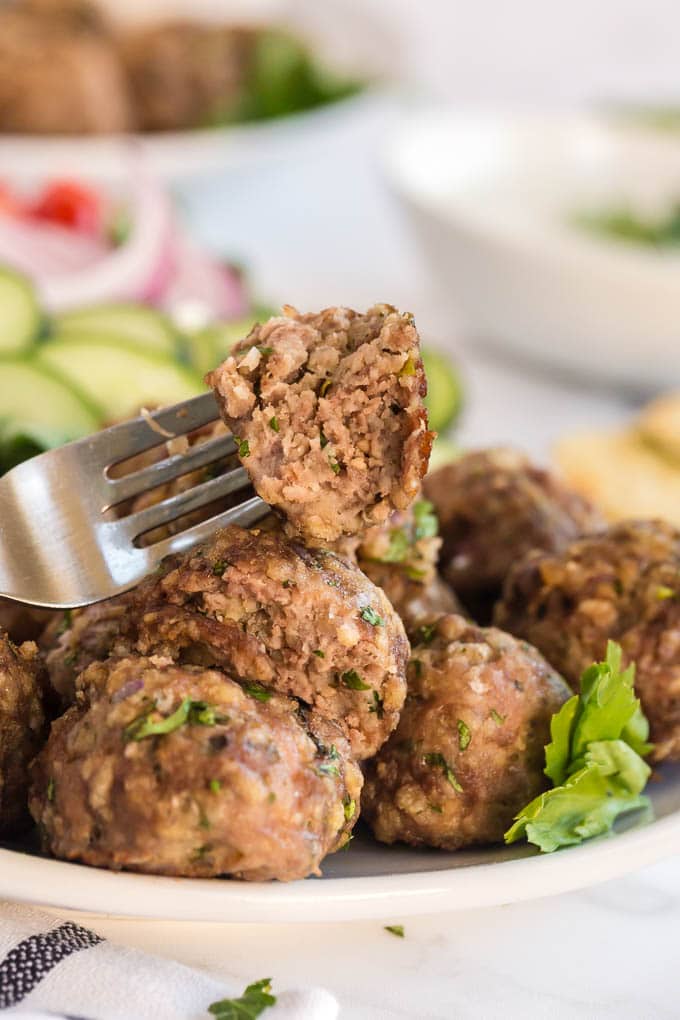
My Greek meatballs recipe combines ground beef and pork with grated onion, fresh parsley, mint, oregano and cumin. The beef provides hearty flavor while the pork adds richness, and the grated onion keeps every bite moist.
As the daughter of a Greek father, I grew up eating the Greek food my family made at home. My Yiayia prepared her keftedes with lamb and fried them at the stove until golden. My version is a little different, but it keeps the familiar herbs and flavors while baking the entire batch at once.
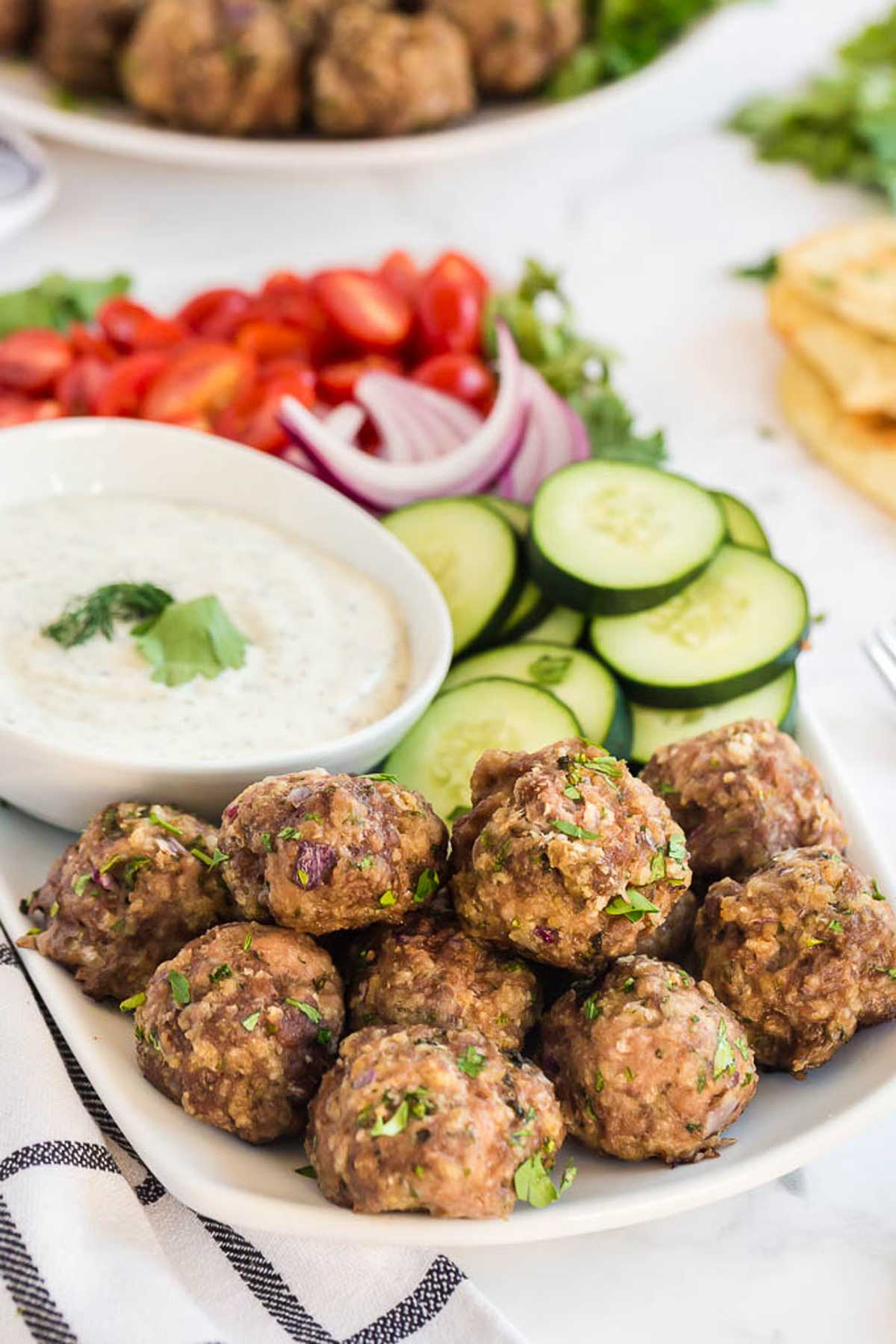
⭐️ Greek Meatballs: recipe at a glance
- Easy Prep: Mix, shape and bake. There is no flour dredging, frying or cooking in batches.
- Tender and Juicy: Ground pork, olive oil and grated onion add flavor and moisture to the meatballs.
- Full of Flavor: Fresh mint, parsley, garlic, oregano and cumin give the meatballs their distinctive Greek-inspired flavor.
- Versatile: Serve them as an appetizer, add them to a mezze platter or turn them into a complete family dinner.
- Make-Ahead Friendly: The meatballs can be shaped ahead of time and refrigerated or frozen.
- Dietary: This recipe is dairy-free. It contains egg and wheat, but it can be made gluten-free with gluten-free panko. Nut-free.
🔎 What are Keftedes?
Keftedes-sometimes spelled keftethes-are Greek meatballs flavored with onion, garlic and fresh herbs, especially mint or spearmint. Recipes vary between regions and families, with different combinations of beef, pork or lamb and slightly different seasonings.
Traditional keftedes are usually lightly coated with flour and fried until crisp and golden. This recipe skips the flour and frying and cooks the meatballs in the oven instead. Although the method is different, the beef-and-pork mixture, grated onion and fresh herbs preserve the characteristic flavors of Greek keftedes.
📝 Ingredients You’ll Need

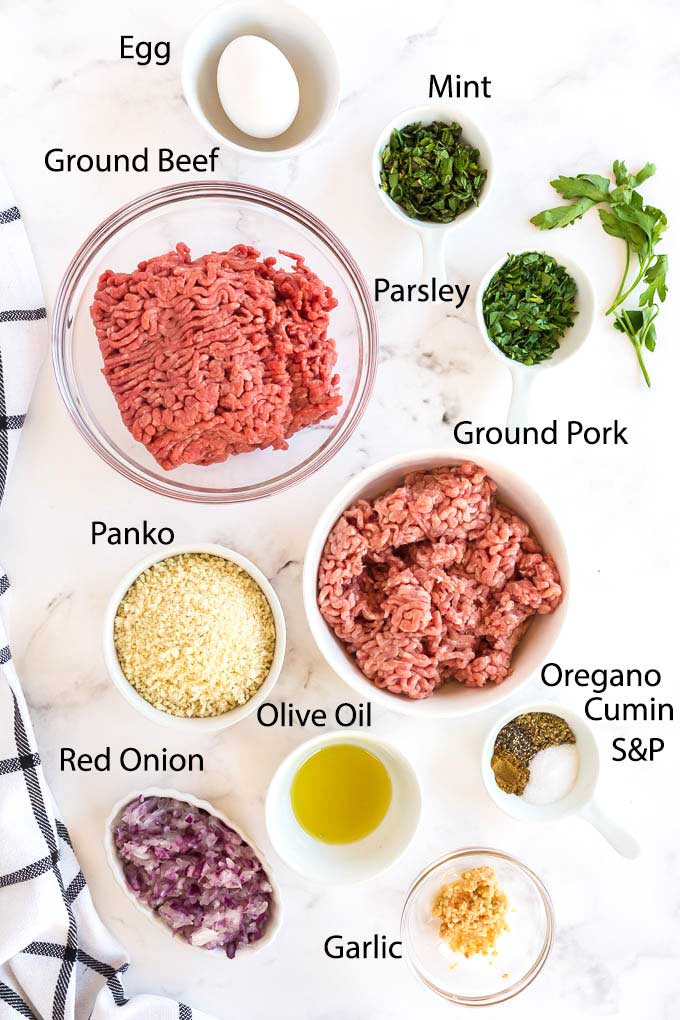
For the complete list of ingredients and exact quantities, check the printable recipe card below.
- Ground Beef and Pork: I use twice as much beef as pork. The beef gives the meatballs their hearty flavor, while the pork contributes fat and richness that help keep baked meatballs tender. Ground lamb can replace some or all of the beef for a more pronounced flavor. You can also use all ground beef, although the texture may be slightly less rich.
- Red Onion: Grating the onion breaks it down so there are no large pieces in the meatballs. More importantly, it releases the onion’s juices directly into the mixture, adding both flavor and moisture. Yellow or white onion can be substituted.
- Garlic: Fresh garlic adds savory flavor and is an important part of the seasoning.
- Panko Breadcrumbs: Panko absorbs moisture from the egg, olive oil and grated onion while giving the meatballs structure. Regular breadcrumbs or gluten-free panko can be used instead.
- Egg: The egg helps bind the meat mixture so the meatballs hold their shape.
- Olive Oil: A small amount adds richness and helps prevent the baked meatballs from becoming dry.
- Fresh Parsley and Mint: These fresh herbs give keftedes their bright, aromatic flavor. Spearmint is especially good when available, but regular fresh mint works perfectly.
- Oregano and Cumin: Oregano adds familiar Greek flavor, while cumin provides subtle warmth and depth.
🔎 How to Make Greek Meatballs
Scroll to the printable recipe card below for exact directions and cooking times.
- Prepare the oven: Preheat the oven to 350°F. Line a baking sheet with parchment paper or aluminum foil and coat it lightly with cooking spray or olive oil.
- Mix the ingredients: Combine the ground beef, pork, grated onion, garlic, breadcrumbs, egg, olive oil, herbs and seasonings in a bowl.
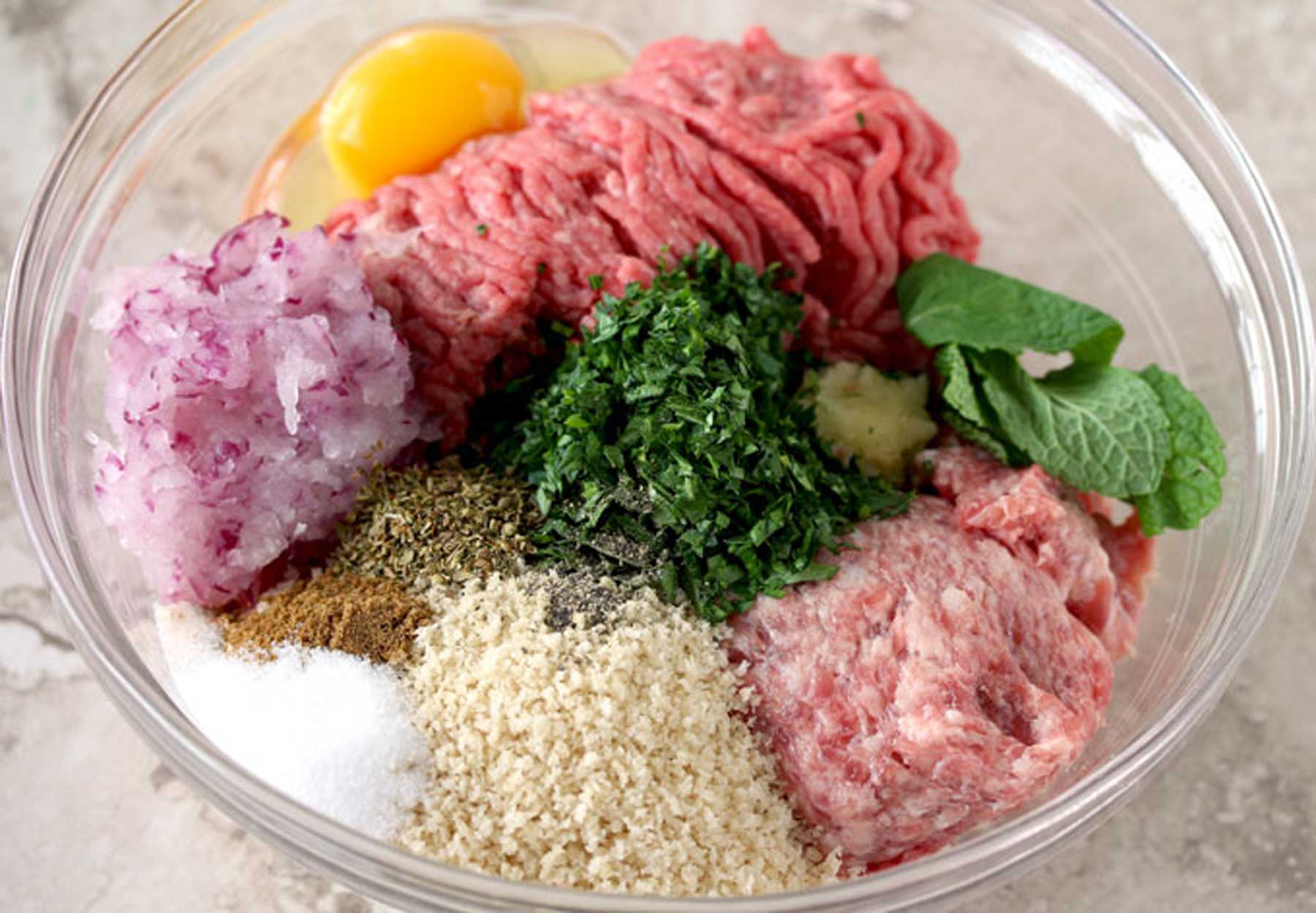
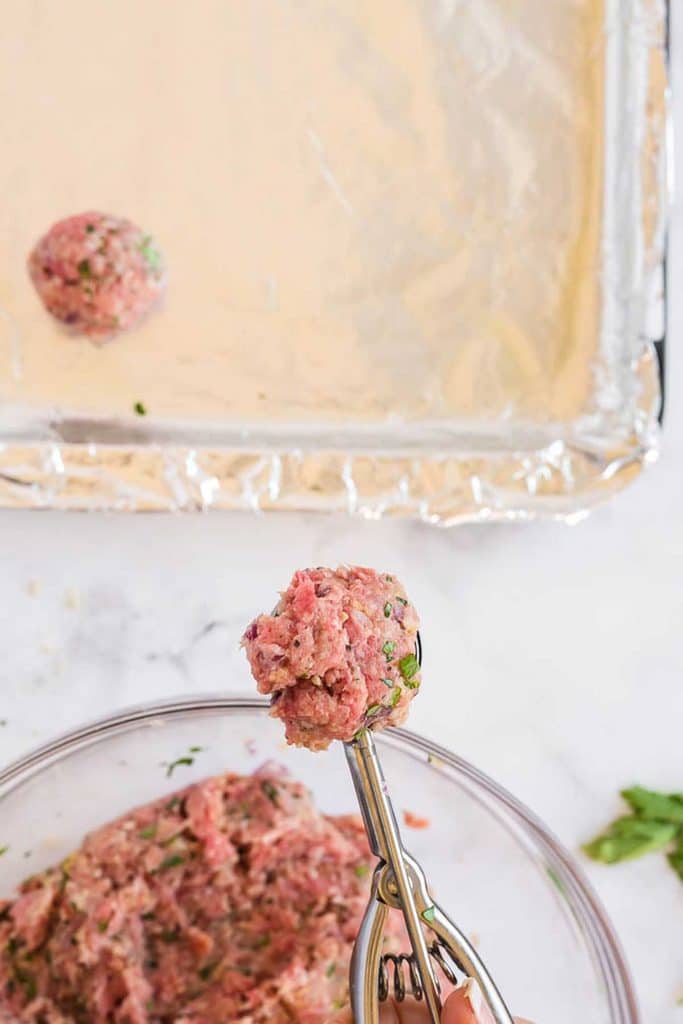
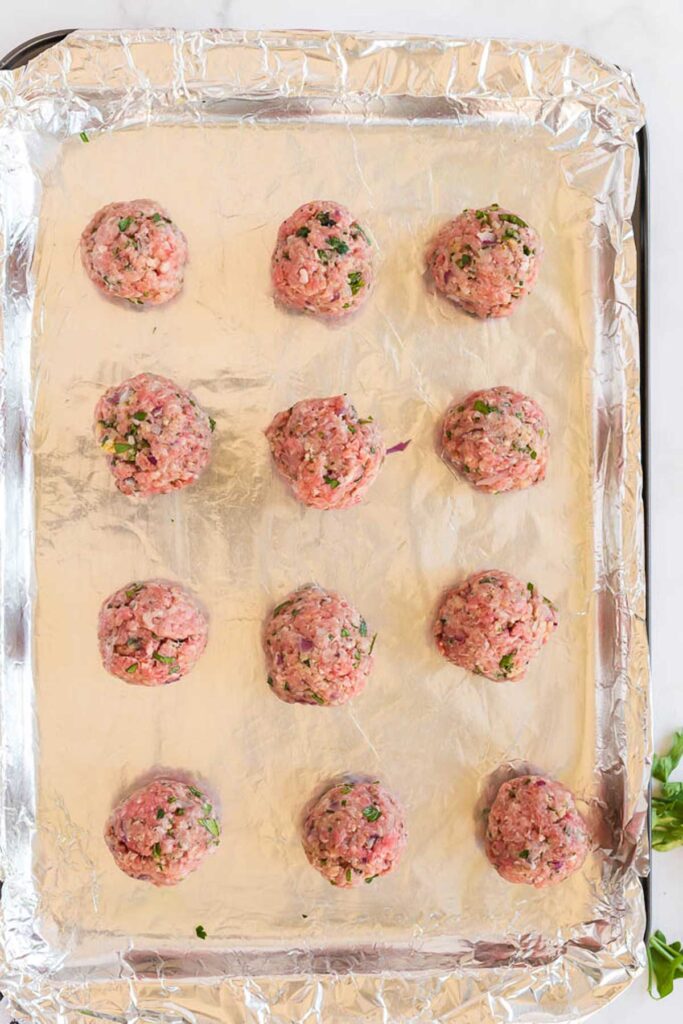
- Shape the meatballs: Form the mixture into approximately 1-inch meatballs and arrange them on the prepared baking sheet.
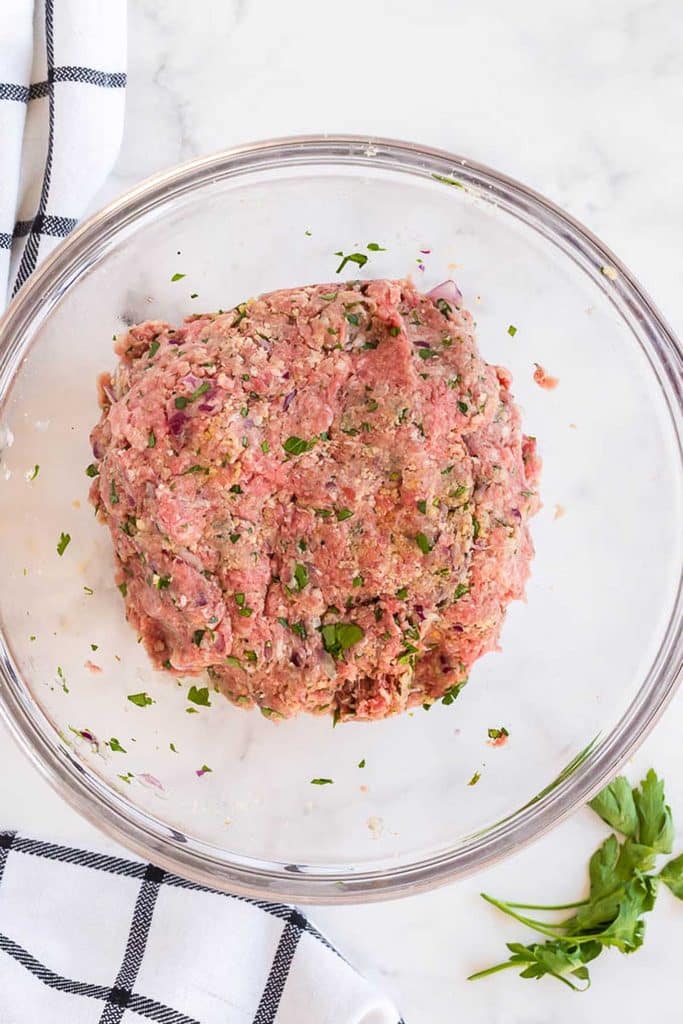
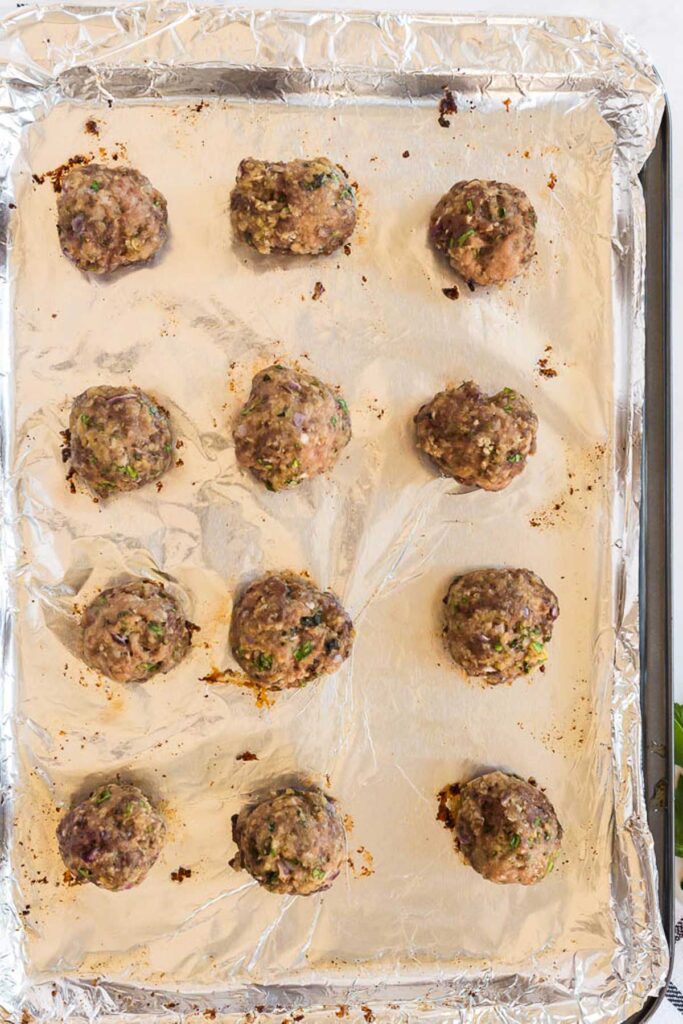
- Bake: Bake for 18–20 minutes or until the meatballs are cooked through and lightly golden.
💡 Chef’s Tips: Prep & Adjustments
- Keep the onion juices: Do not squeeze or drain the grated onion. Those juices add moisture and distribute onion flavor throughout the meat mixture.
- Mix gently: Use your hands to combine the ingredients just until everything is evenly incorporated. Excessive mixing can make meatballs dense and firm.
- Keep the size consistent: A small ice cream scoop, like this one makes portioning quicker and helps the meatballs cook at the same rate.
- Give the meatballs plenty room: Arrange the meatballs in a single layer without crowding the baking sheet. A little space between them allows the hot air to circulate.
- Chill them if time permits: Refrigerating the shaped meatballs for up to one hour helps them hold their round shape and gives the flavors time to come together. This step is optional.
- Do not rely only on color: Baked meatballs may be fully cooked without becoming deeply browned. Ground beef and pork should reach an internal temperature of 160°F when measured in the center with an instant-read thermometer.
🔎 How to Serve Greek Meatballs
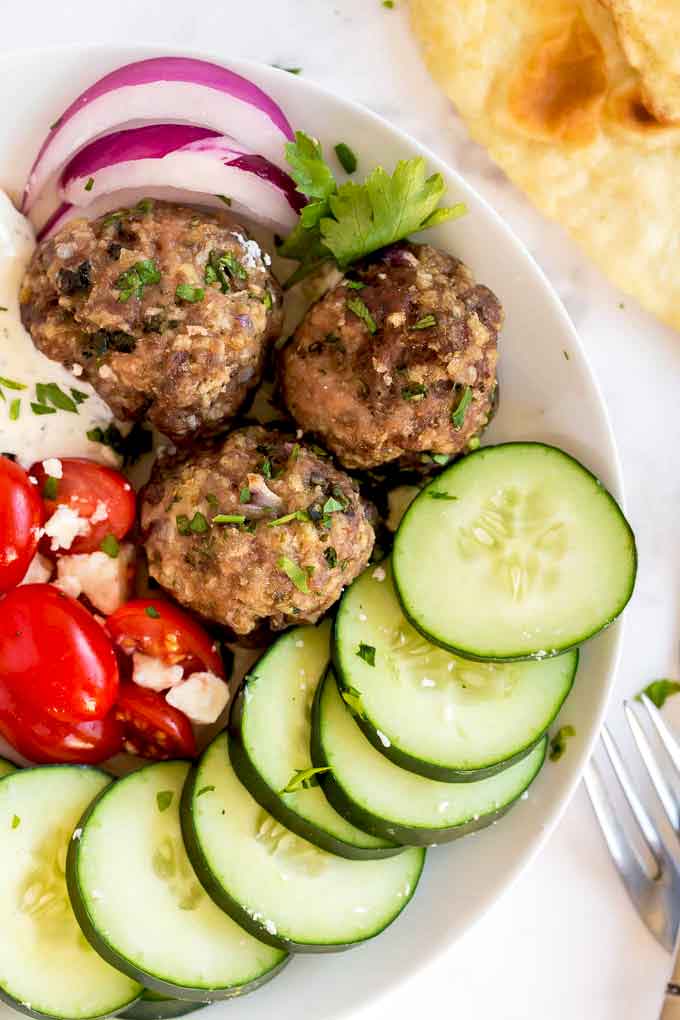
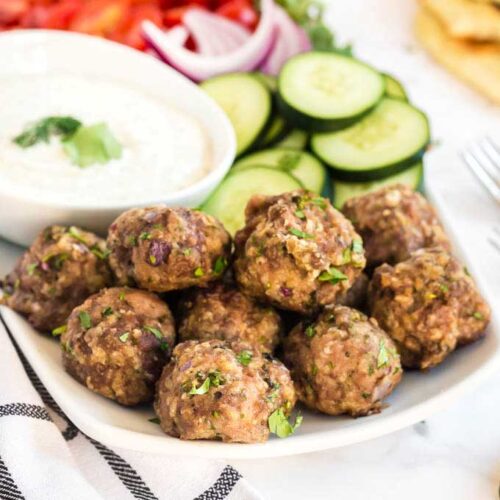
Greek meatballs are often served as part of a mezze spread. Arrange them on a large platter with Greek tzatziki sauce, warm pita or homemade flatbread, cucumbers, tomatoes, red onion, Kalamata olives and feta cheese.
For a complete dinner, serve the meatballs with Mediterranean salad and crispy roasted Greek potatoes. They are also delicious with rice pilaf, roasted vegetables or wrapped in warm flatbread with tzatziki and fresh vegetables.
Leftover meatballs can be added to grain bowls, tucked into pita sandwiches or served cold or at room temperature as part of a lunch platter.
✔️ Make-Ahead, Storage and Freezing
- Making-Ahead: Prepare and shape the meatballs up to one day in advance. Store them covered in the refrigerator until you are ready to bake. They can go directly from the refrigerator into the oven, although very cold meatballs may need an additional minute or two.
- Storing: Store cooked Greek meatballs in an airtight container in the refrigerator for two to three days.
- Freezer: Cooked or uncooked meatballs can be frozen for up to two months. Arrange them on a baking sheet and freeze until firm before transferring them to a freezer-safe container or bag. This prevents them from freezing together.
- Thawing: Thaw frozen raw or cooked meatballs overnight in the refrigerator.
- Reheating: Reheat cooked meatballs in a covered baking dish in a 350°F oven until warmed through. Individual portions can also be reheated in the microwave. Avoid overheating, which can dry them out.
💛 Conscious Bites
Your priorities, your recipe. Learn about Intentional Cooking.

Community, Culture & Tradition: Keftedes are one of those dishes that change slightly from one Greek family to another. My yiayia fried hers and made them with lamb; my version uses beef and pork and is baked for convenience while honoring the herbs, flavors and family memories behind the dish.

Animal Welfare: Consider purchasing beef and pork from a trusted local farmer or choosing independently certified meat when it is available and fits your budget. Small purchasing decisions can help support farmers who raise animals with greater attention to their living conditions and care.

Time & Convenience: Baking the meatballs allows you to cook the entire batch at once instead of standing at the stove frying several rounds. Choosing a method that fits your time can make a traditional family recipe easier to keep in regular rotation.
👀 Take a look at these other Greek recipes:




🛒 Things you may need for this recipe
-
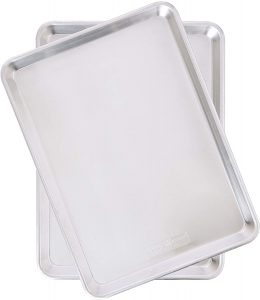
Baking Sheet Pans (Half sheet)
These professional-grade aluminum sheet pans are my favorite and most-used kitchen item, and they’re the pans commercial kitchens use. Washed by hand, they can last forever. I use them for roasting vegetables, baking cookies and sheet pan meals.
-

Glass Mixing Bowls
Made of durable tempered glass, these French mixing bowls seem to be indestructible. How do I know? I still have the set given to me as a wedding gift almost 25 years ago (and we have moved several times). This stackable set of nine glass bowls come in different sizes. They are microwave, oven, freezer…
-

Parchment Paper Sheets (Kathy’s Favorite Product)
These precut parchment sheets lie flat with no tearing or curling, so you just grab one and go. They’re heavy-duty and nonstick, help things bake evenly and make cleanup easy. I use them for cookies, roasting and everyday cooking, and I love them.
Greek Meatballs (Baked Keftedes)

Ingredients
- 1 pound ground beef
- ½ pound ground pork
- 1 medium red onion, grated (about 1 cup, including the juices)
- 2 garlic cloves, minced
- 1 cup Panko breadcrumbs
- 1 large egg
- ¼ cup fresh parsley, finely chopped
- 1 tablespoon extra-virgin olive oil
- 2 teaspoons fresh mint, finely chopped
- 1 teaspoon dried oregano
- ½ teaspoon ground cumin
- 1 teaspoon salt
- ¼ teaspoon ground black pepper, or to taste
Instructions
- Preheat the oven to 350°F.
- Line a baking sheet with aluminum foil and spray it with cooking spray or brush it lightly with olive oil.
- Place the ground beef, pork, grated onion, garlic, panko, egg, parsley, olive oil, mint, oregano, cumin, salt and pepper in a large mixing bowl.
- Using your hands, gently combine the ingredients until evenly incorporated. Avoid overmixing.
- Shape the mixture into meatballs approximately 1 inch in diameter. A small cookie or ice cream scoop makes the meatballs easier to portion and more uniform in size.
- Arrange the meatballs in a single layer on the prepared baking sheet, leaving a little space between them.
- Bake for 18-20 minutes or until the meatballs are cooked through and lightly golden. The center of the meatballs should reach 160°F when tested with an instant-read thermometer.
- Remove from the oven and serve warm with tzatziki sauce, pita bread or your favorite Greek side dishes.
Chef’s Notes
- Mix gently: Use your hands to combine the ingredients just until everything is evenly incorporated. Excessive mixing can make meatballs dense and firm.
- Keep the size consistent: A small ice cream scoop, like this one makes portioning quicker and helps the meatballs cook at the same rate.
- Give the meatballs plenty room: Arrange the meatballs in a single layer without crowding the baking sheet. A little space between them allows the hot air to circulate.
- Chill them if time permits: Refrigerating the shaped meatballs for up to one hour helps them hold their round shape and gives the flavors time to come together. This step is optional.
- Making-Ahead: Prepare and shape the meatballs up to one day in advance. Store them covered in the refrigerator until you are ready to bake. They can go directly from the refrigerator into the oven, although very cold meatballs may need an additional minute or two.
-
Nutrition
🤔 Frequently Asked Questions
What makes Greek meatballs different from Italian meatballs?
Greek meatballs are usually seasoned with mint, parsley, oregano and grated onion. They are commonly served on their own with tzatziki, pita and vegetables rather than simmered in tomato sauce. Italian-style meatballs are more likely to include Parmesan and Italian herbs and are often served with tomato sauce.
Are keftedes traditionally baked or fried?
Traditional Greek keftedes are usually dredged lightly in flour and fried. Baking is a convenient alternative that allows you to cook the entire batch at once with less oil and less cleanup.
Can I make Greek meatballs with only ground beef?
Yes. Replace the pork with an equal amount of ground beef. Because pork adds fat and richness, meatballs made with only lean beef may have a slightly firmer texture. Avoid using extra-lean beef if possible.
Can I use ground lamb?
Yes. Ground lamb can replace some or all of the beef. Lamb has a richer, more distinctive flavor that pairs especially well with mint, oregano and garlic.
Can I make these meatballs gluten-free?
Yes. Replace the regular panko with gluten-free panko or your preferred gluten-free breadcrumbs. Confirm that the remaining packaged ingredients are certified gluten-free if needed.
Can I fry the meatballs instead?
Absolutely! If you prefer the traditional method, lightly coat the shaped meatballs with flour and fry them in batches until browned and completely cooked through. The center should reach 160°F.
This post was originally published in 2017 and has been updated with clearer instructions, additional cooking tips and serving suggestions. The tested recipe remains unchanged.






Leave a Reply