
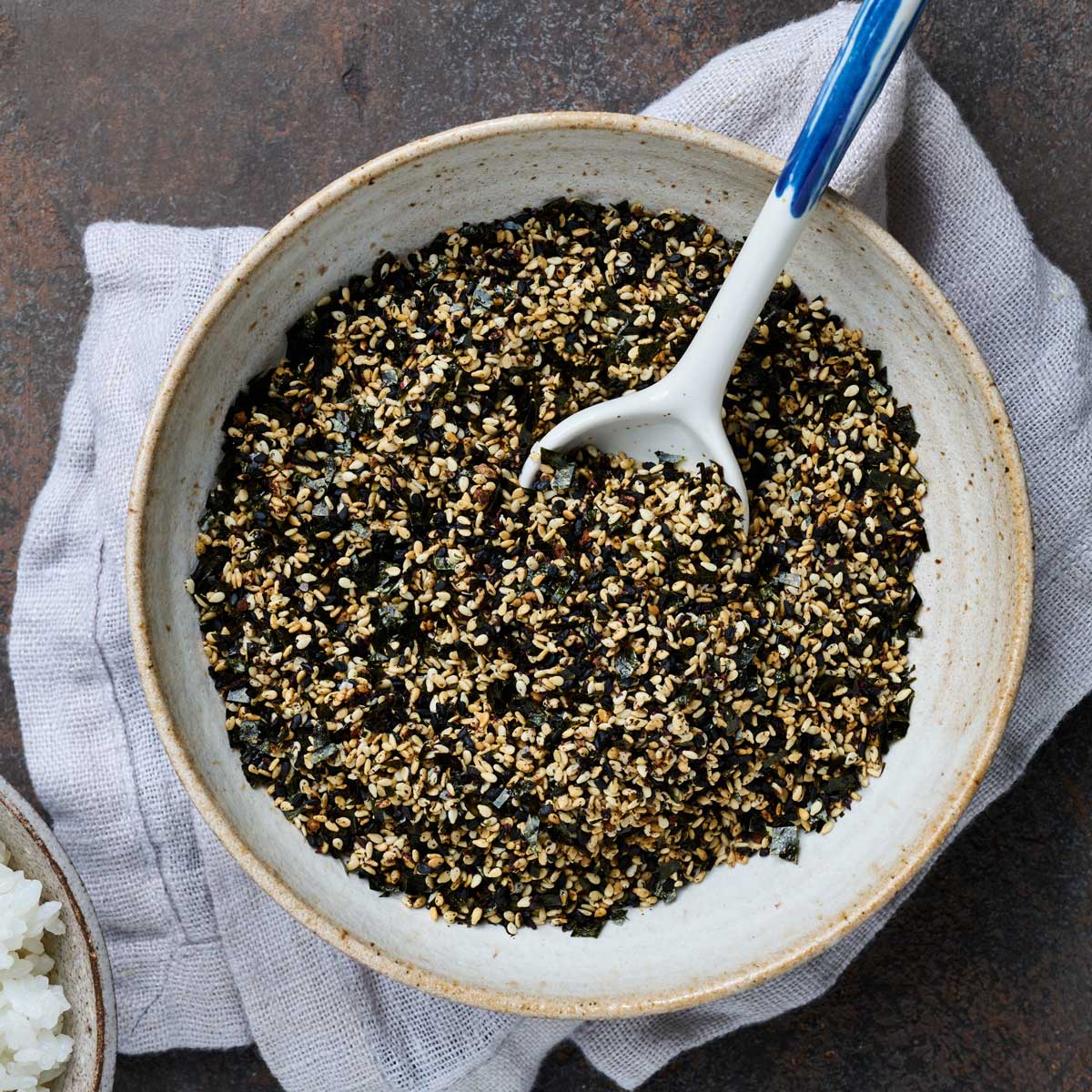
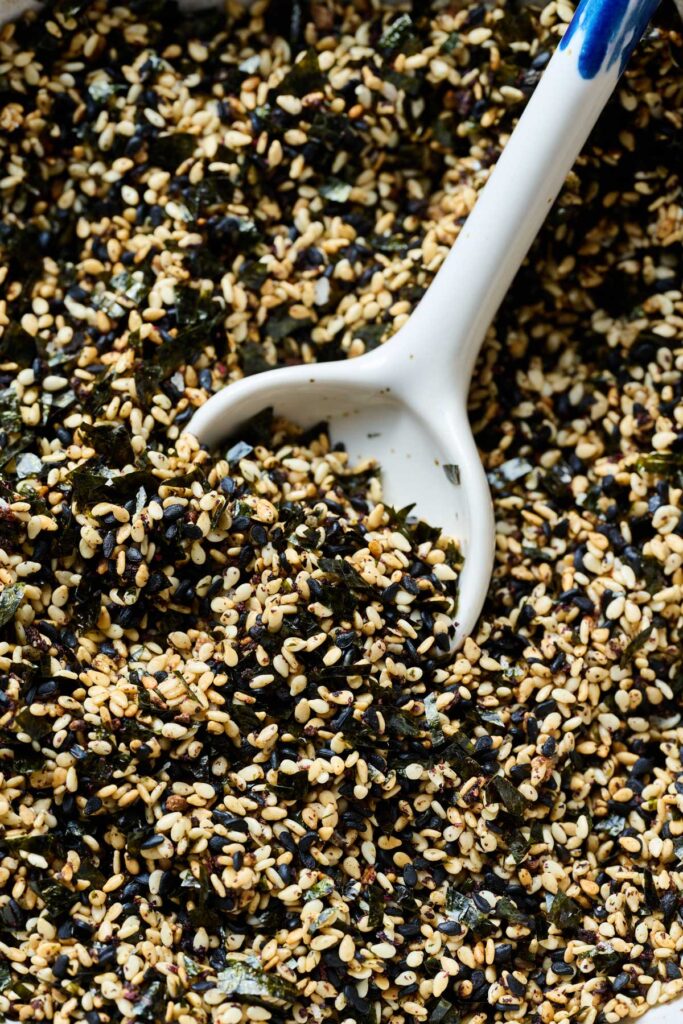
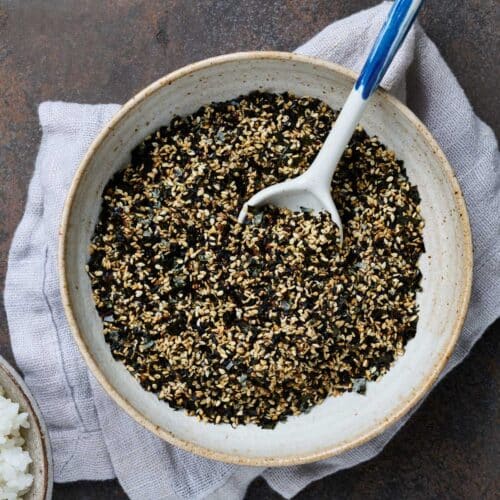
Learning how to make furikake at home is surprisingly easy and incredibly rewarding. Not only does homemade furikake taste fresher than store-bought versions, but you can also customize it to your taste – keeping it vegan, adding smoky bonito flakes, or boosting umami with shiitake or kelp powder.
With just a handful of pantry ingredients and about 10 minutes, you can make a batch of furikake rice seasoning that transforms simple bowls of rice into something deeply savory, aromatic, and satisfying.
🔎 What is Furikake?
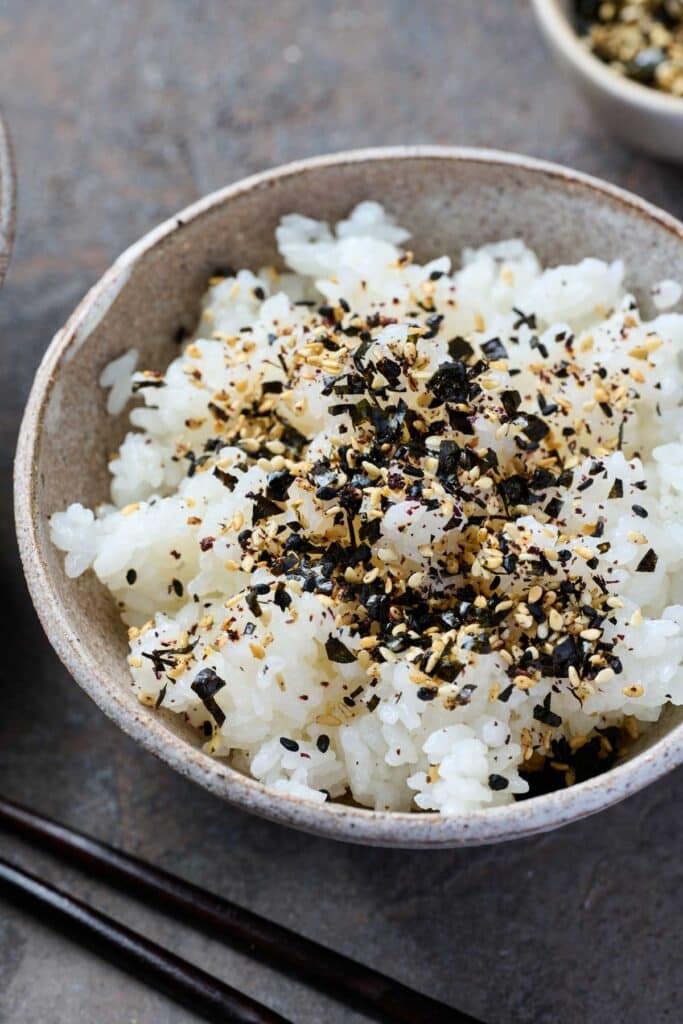
Furikake is a Japanese rice seasoning made from a mixture of dried seaweed (nori), toasted sesame seeds, salt, sugar, and other flavorful ingredients such as dried fish, seaweed powders, or spices. This savory seasoning is traditionally sprinkled over steamed rice, but it’s also commonly used to flavor noodles, vegetables, tofu, fish, and sushi dishes.
The word furikake comes from the Japanese verb furikakeru, which means “to sprinkle.” Today, furikake rice seasoning is a popular pantry staple in Japanese cooking, prized for its nutty, salty, and umami-rich flavor.
⭐️ Furikake Seasoning: recipe at a glance
- Versatile topping: Use furikake to enhance the flavor of many dishes like rice, noodles, salmon, poke bowls, eggs, tofu and more.
- Fast & easy: Ready in about 10 minutes with minimal prep.
- Deep umami flavor: Toasted sesame seeds, nori, and optional umami add-ons make this seasoning a flavor powerhouse.
- Budget friendly: A small batch seasons many meals.
- Long shelf life: Store up to 2 weeks refrigerated or up to 4 months at room temperature.
- Dietary: Dairy-free, egg-free, nut-free, gluten-free if using gluten-free soy sauce (tamari). Vegan/vegetarian. Contains sesame and seaweed
✔️ Ingredients, Substitutions & Swaps

For the complete list of ingredients and exact quantities, check the printable recipe card below.
Base Furikake Seasoning
This simple base is known as Nori Komi Furikake, one of the most popular versions in Japan.
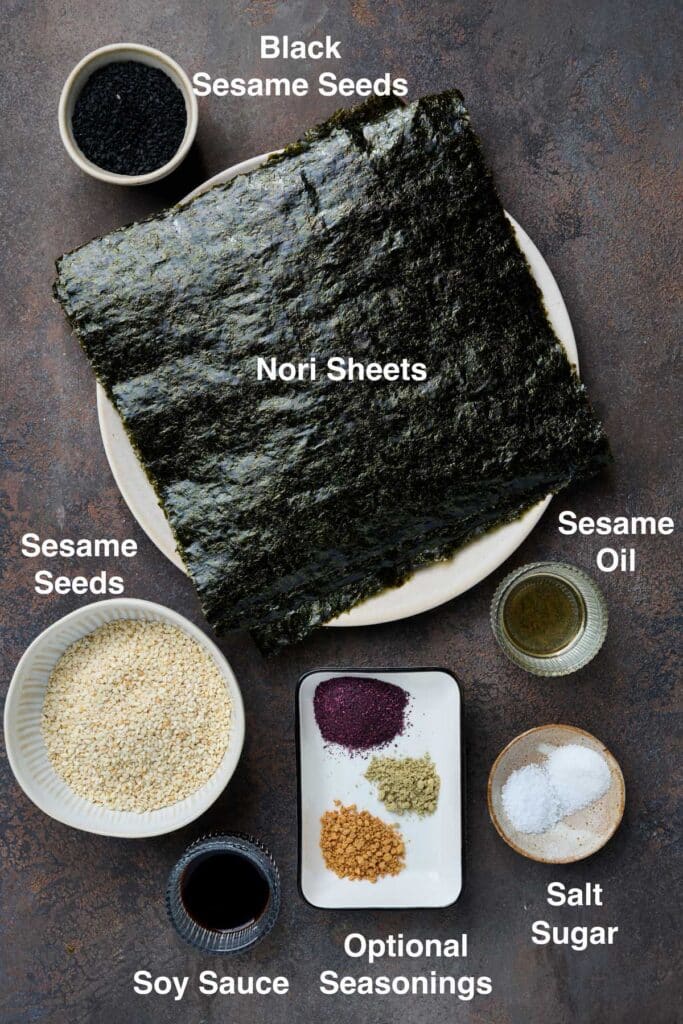
- Nori Sheets: Thin sheets of dried seaweed commonly used for sushi. They add savory ocean flavor and a light crisp texture. If unavailable, substitute with roasted seaweed snack sheets.
- White Sesame Seeds: Nutty, aromatic, and the main flavor foundation. Toasting them enhances their natural oils.
- Black Sesame Seeds: Earthier and slightly more intense than white sesame seeds. They add contrast and depth.
- Salt: Essential for seasoning.
- Sugar:Just a small amount balances the savory and salty flavors. Highly recommended but optional.
Optional Seasonings
These ingredients help bind flavors and deepen the umami.
- Toasted Sesame Oil: Adds richness and a deeper sesame aroma.
- Soy Sauce: A splash boosts savory umami flavor (use tamari for gluten-free).
- Mirin: Adds mild sweetness and complexity.
Optional Add-Ons
Customize your furikake with one or more of these ingredients:
- Bonito Flakes (Katsuobushi): Paper-thin smoked fish flakes that bring intense umami. Add about 1-2 tablespoon(s).
- Dried Shrimp : Adds salty seafood flavor. add about 2 teaspoons.
- Shiitake Powder: Add deep mushroom umami. Add about 2 teaspoons.
- Kelp Powder (Kombu): A natural source of glutamates, the backbone of Japanese dashi. Add about 1 teaspoon.
- Wasabi Powder: For gentle heat. add about 1/4 to 1/2 teaspoon.
- Miso Powder: Adds depth and savory richness. Add about 1/2 to 1 teaspoon.
- Ichimi Togarashi or Chili Flakes: For spice. Start with 1/4 teaspoon and go from there.
- Dried Shiso Leaves: Bright herbal flavor common in Japanese cooking. Add about 2 teaspoons.
Skip seafood add-ons to keep the recipe vegetarian or vegan.
🔎 How to Make Furikake?
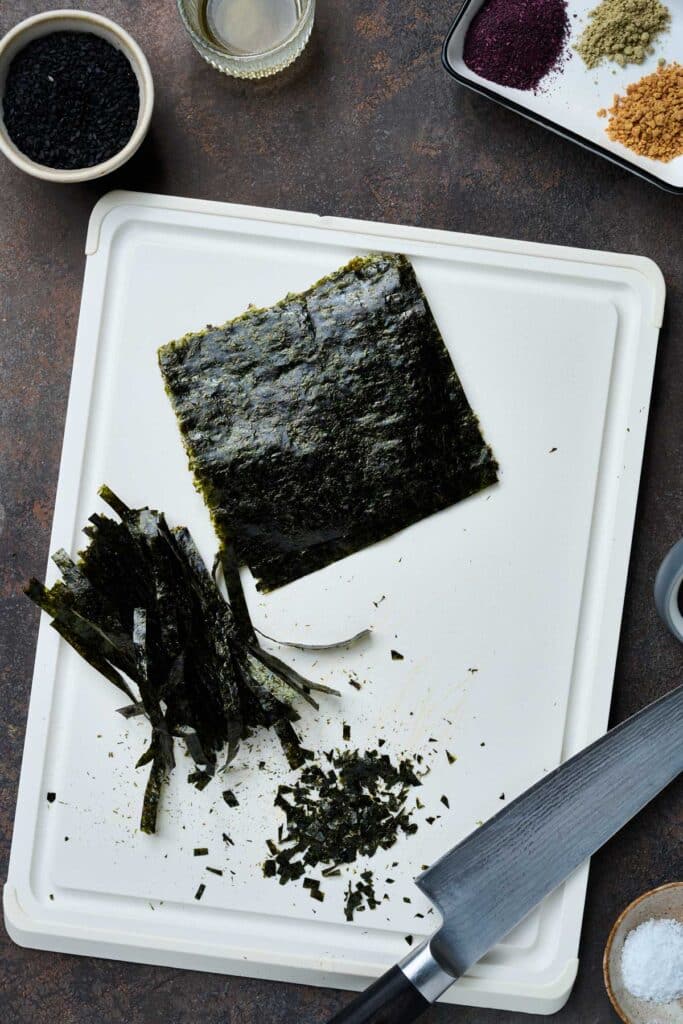
- Prepare the nori: Cut each nori sheet in half. Stack them and slice into thin strips, then cut into small pieces. Set aside. You can also crumble the nori with your fingers although this takes longer time and requires more efford.
- Optional Step – Partially grind sesame seeds: Lightly crush some of the sesame seeds in a spice grinder, food processor, or sealed bag using a rolling pin. This helps release aromatic oils and helps the seasoning cling better.
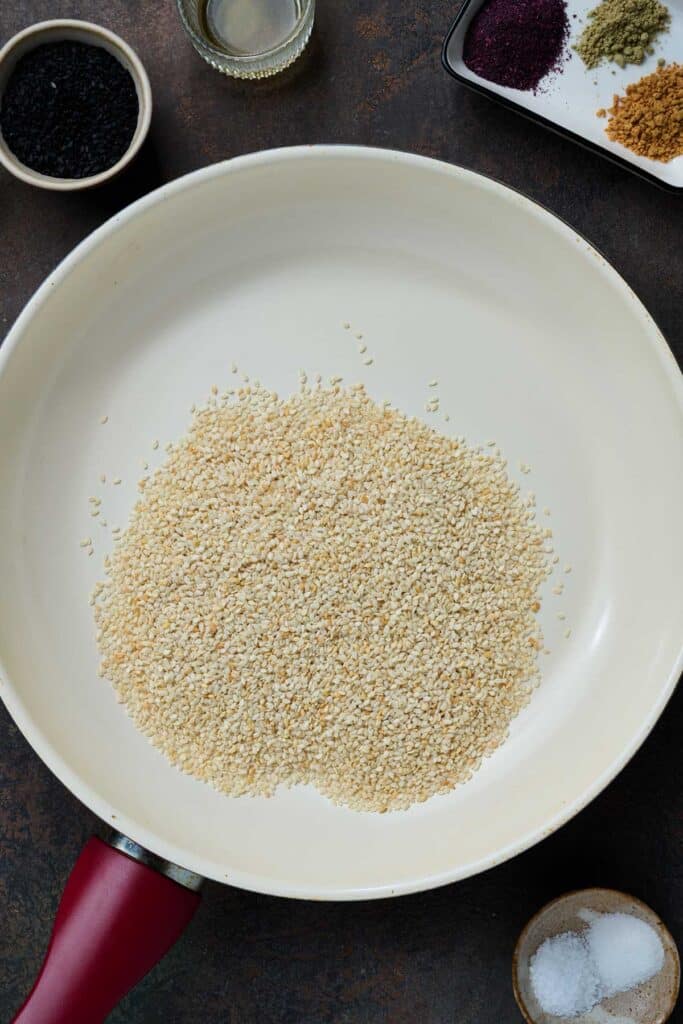
- Toast the sesame seeds: In a dry skillet over low heat, toast the white sesame seeds for about 4 minutes, shaking the pan frequently until fragrant.
- Add remaining ingredients: Stir in the black sesame seeds, salt, sugar, and any optional seasonings or add-ons (except the nori).
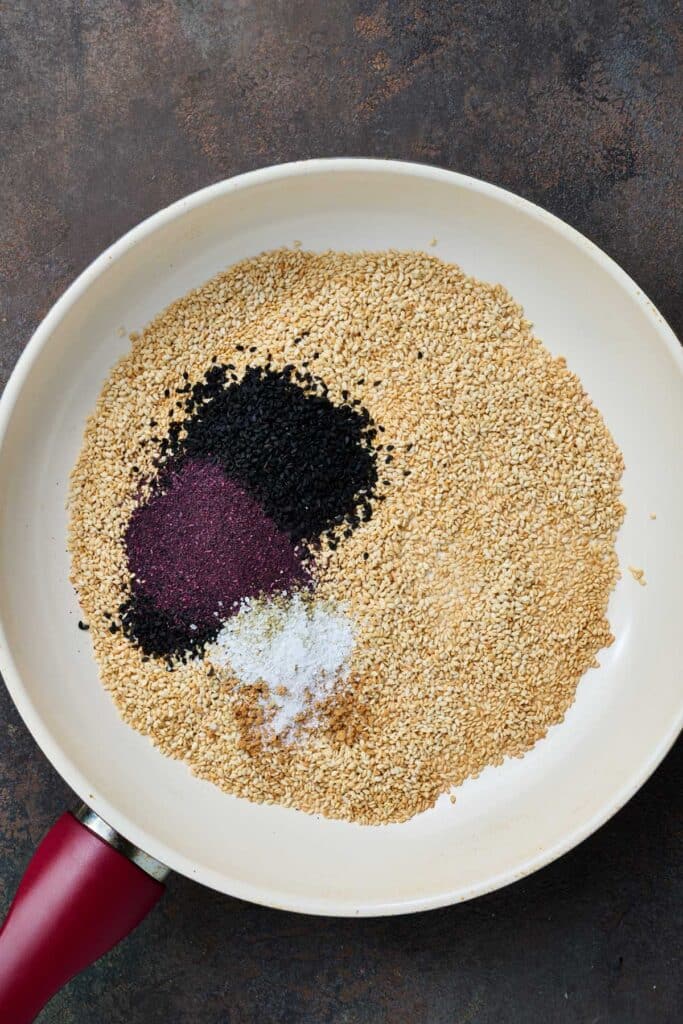
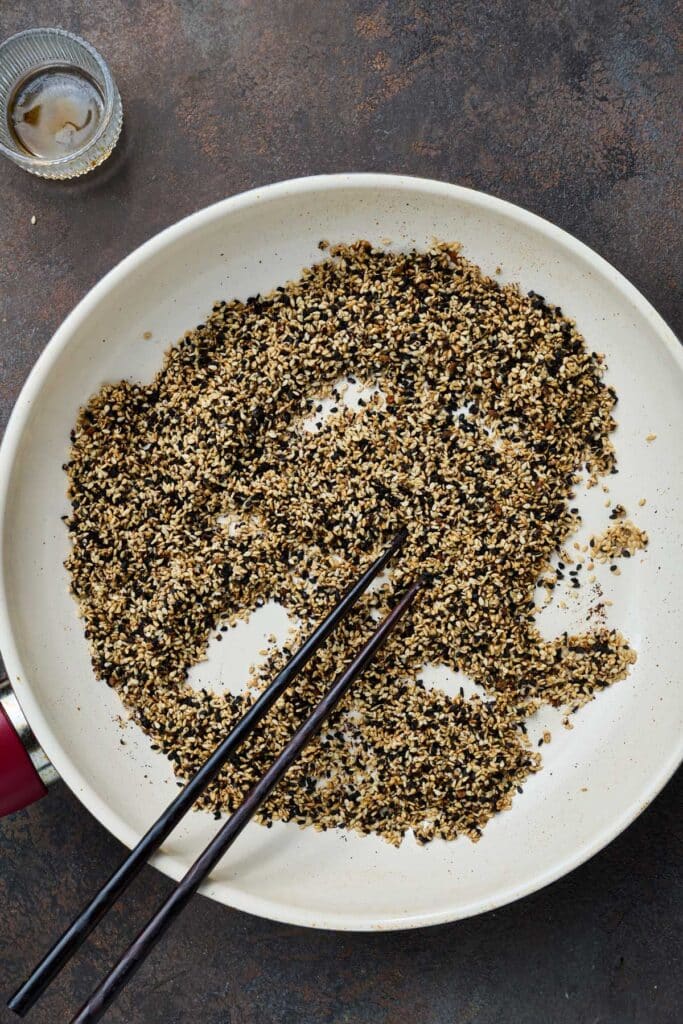
- Cook briefly: Continue cooking for 2-3 minutes, stirring frequently, until aromatic.
- Cool the mixture: Transfer the mixture to a parchment-lined baking sheet and spread it out to cool completely.
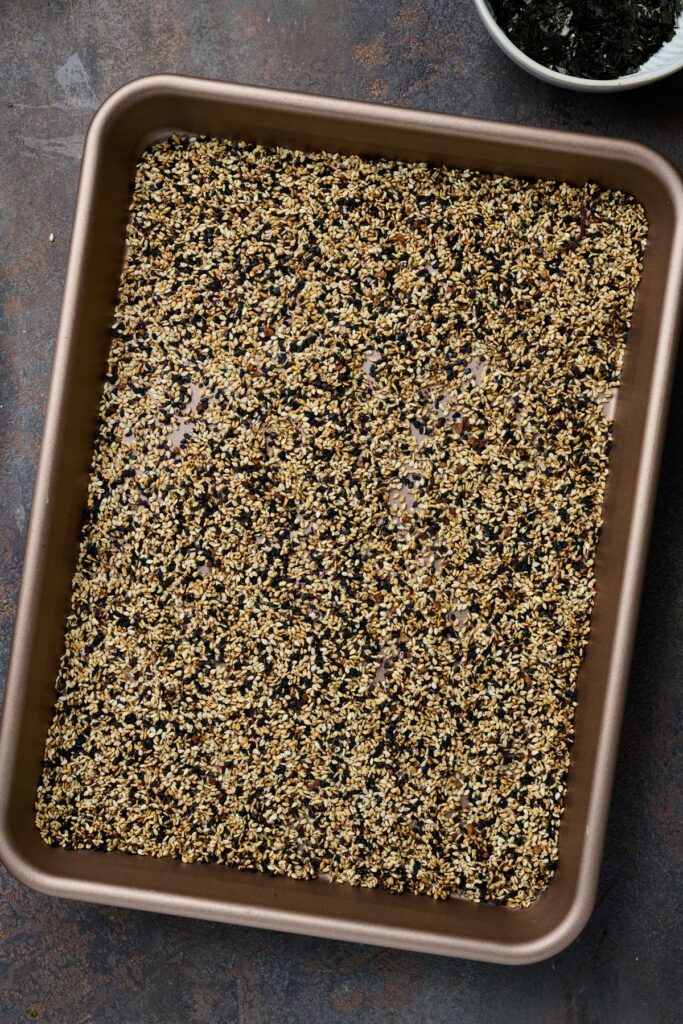
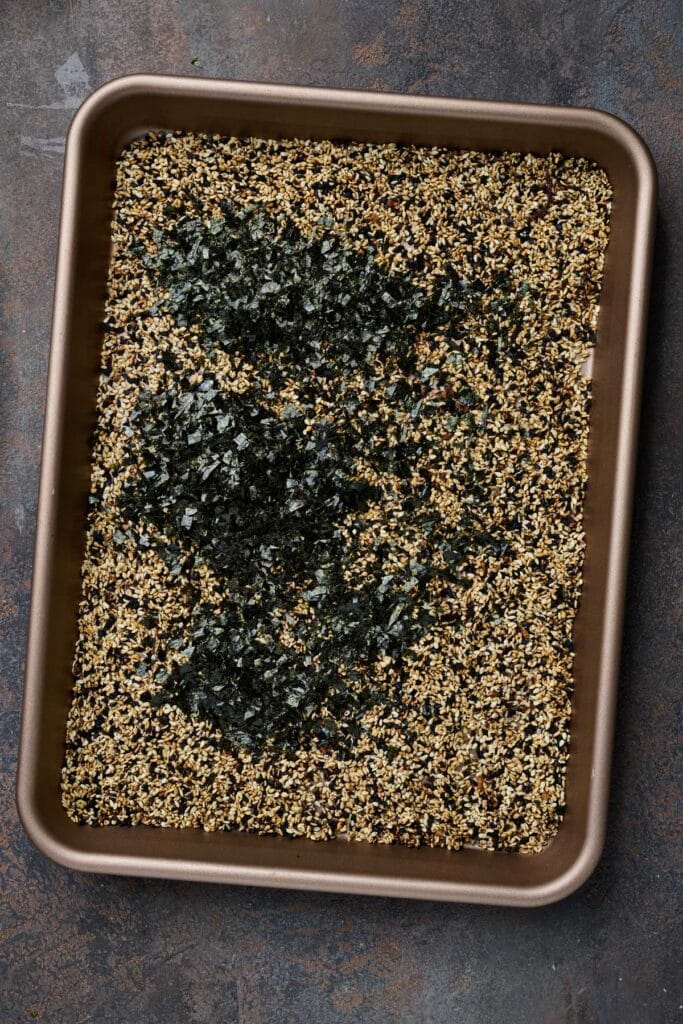
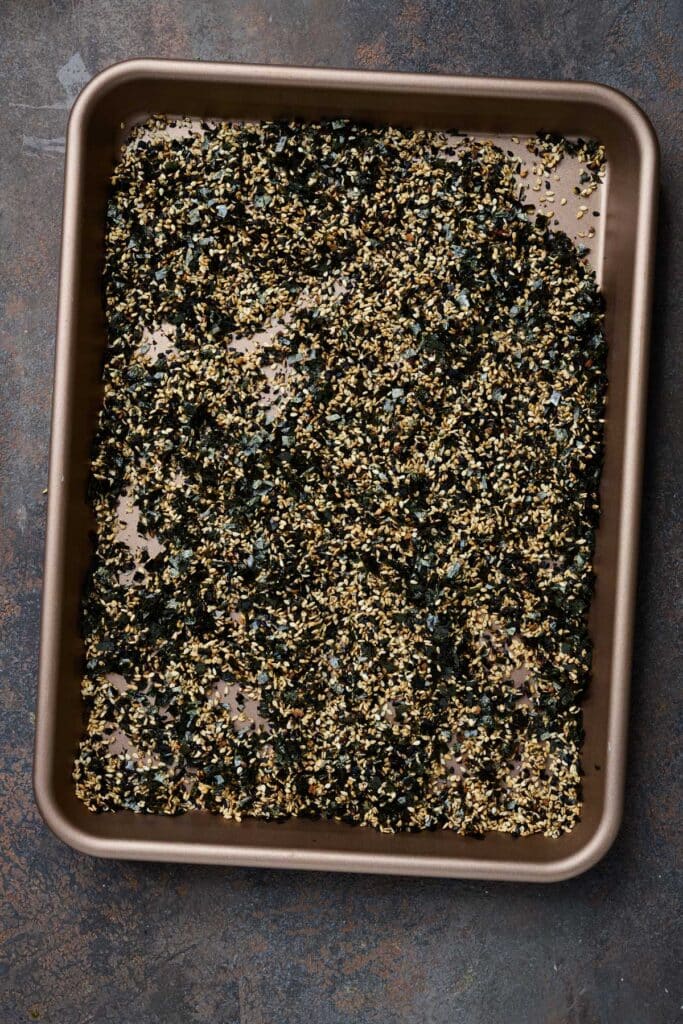
- Add the nori: Once cooled, stir in the nori pieces.
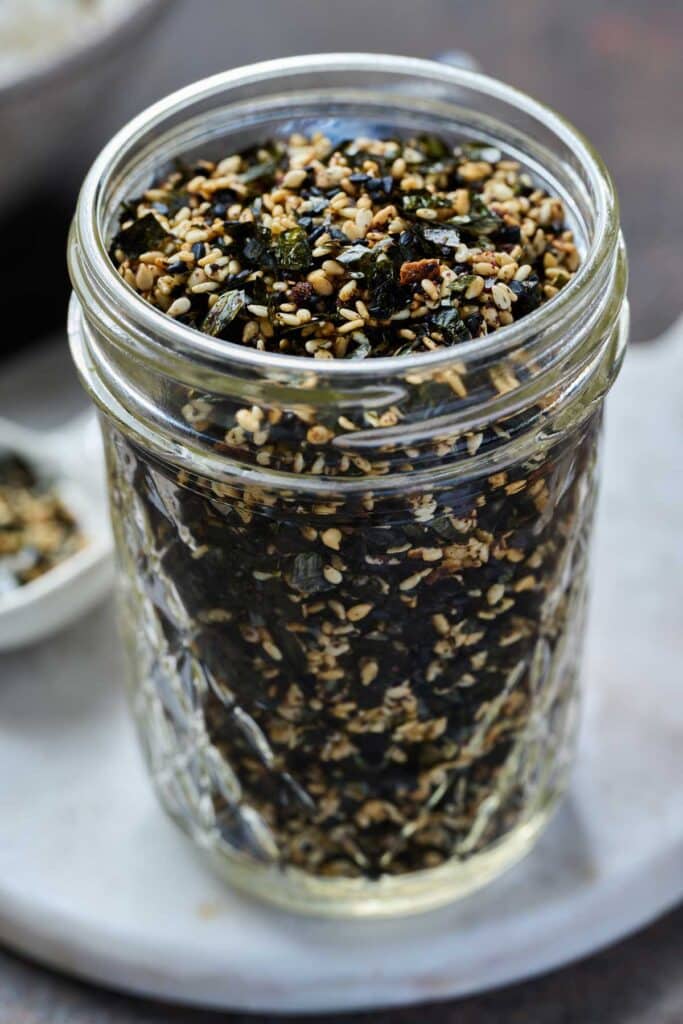
- Store or serve: Transfer the finished furikake to an airtight jar.
💡 Recipe Tips: Prep & Adjustments
- Toasting the ingredients: This is an important step. Sesame seeds release aromatic oils when heated, dramatically enhancing their nutty flavor. Salt and sugar dissolve slightly in heat, helping them cling to the seeds and seasonings instead of settling at the bottom of the jar.
- Soy Sauce/Mirin: If using soy sauce or mirin, gentle heat helps distribute the flavor evenly throughout the mixture. Skipping this step often leads to uneven seasoning and less flavor.
✔️ Ways to Use Furikake
This seasoning is incredibly versatile an easy way to add umami flavor to simple dishes. Sprinkle over:
- Ramen or noodle dishes
- Sushi, sushi rolls or sushi bakes
- Avocado toast or egg dishes
- Roasted, sautéed or stir fried vegetables
- Popcorn
🤔 Frequently asked Questions
Is Furikake vegan?
Some varieties are vegan, while others contain seafood such as bonito flakes or dried shrimp. This homemade version can easily be made vegan by skipping those ingredients.
Is Furikake gluten-free?
It can be. Use gluten-free soy sauce (tamari) or omit soy sauce entirely.
What does furikake taste like?
Furikake has a savory, nutty, and slightly salty flavor with lots of umami thanks to seaweed, sesame seeds, and optional ingredients like mushrooms or bonito flakes.
✔️ Make-Ahead and Storage
- Base furikake (without wet seasonings): Store in an airtight container for up to 6 months.
- With added seasonings or seafood: Store in the refrigerator for up to 2 weeks.
- For longer storage: Keep in an airtight container at room temperature for about 4-6 months. Add a food-safe silica gel packet if available. Always store in a cool, dry place.
💛 Conscious Bites
Your priorities, your recipe. Learn about Intentional Cooking.

Health and Healing: Sea vegetables like nori and kelp have been staples in traditional Japanese diets for centuries. They are naturally rich in minerals such as iodine as well as antioxidants and trace nutrients. Adding small amounts of seaweed-based seasonings like furikake is an easy way to bring both flavor and nutrient diversity to simple foods like rice, vegetables, or tofu.

Environment: Seaweed is one of the most sustainable foods on the planet. It grows quickly in the ocean without requiring farmland, irrigation, fertilizers, or pesticides. Choosing responsibly harvested seaweed products helps support food systems that place less pressure on land, freshwater, and agricultural resources.

Community, Culture and Tradition: Furikake was created in Japan in the early 20th century as a way to make simple bowls of rice more nourishing and flavorful. Over time, it became a beloved pantry staple in Japanese homes. Making furikake at home is a small way to connect with a culinary tradition that celebrates simple ingredients and thoughtful seasoning.
👀 Take a look at these other easy recipes:



🛒 Essentials you’ll adore for this recipe
-

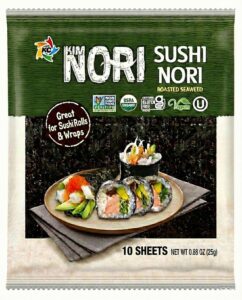
Nori Seaweed Sheets
This organic roasted sushi nori is made from carefully selected seaweed that’s freshly roasted for crisp texture and rich savory flavor. Naturally rich in minerals and free from artificial additives or MSG, this USDA Organic, vegan, and non-GMO product is great for sushi rolls, wraps and furikake.
-

Black Sesame Seeds
These raw, unhulled organic black sesame seeds have a deep nutty flavor and pleasant crunch that works beautifully in both sweet and savory dishes. Sprinkle them over rice, noodles, salads, or use them in recipes like furikake for added flavor and contrast. Lab-tested for quality and purity, they’re a nutritious pantry staple to keep on…
-

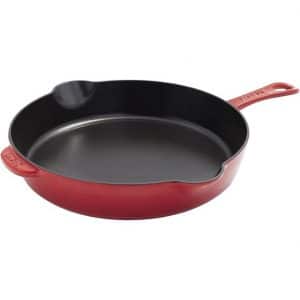
Staub Cast Iron 11-inch Skillet
Made in France, this enameled cast iron skillet provides excellent heat retention and even cooking for perfect searing and browning. The durable enamel requires no seasoning and makes cleanup easy – a beautiful, versatile pan built to last. Definitely an investment piece worth having.

Furikake (Japanese Seasoning)

Ingredients
For the Base:
Additions: These ingredients, although optional, add a ton of flavor to furikake. Pick one or more from the list below. The quantities of each ingredient are basic guidelines and can be adjusted to taste.
Seasonings:
- ½ -1 teaspoon toasted sesame oil
- 1-2 teaspoons soy sauce
- 1-2 teaspoons mirin
Add-Ons:
- 1-2 tablespoons dried bonito flakes, see notes
- 2 teaspoons dried shrimp
- 1-2 teaspoons shiitake powder
- ½ teaspoon kelp powder, see notes
- ½ teaspoon wasabi powder
- ¾ – 1 teaspoon miso powder, to add spiciness
- ½-1 teaspoon Ichimi togarashi, Japanese chili pepper or dried pepper flakes (to add spiciness).
- 2 teaspoons dried shiso leaves
Instructions
Optional step
- Partially grinding some of the sesame seeds on a spice grinder or food processor, helps release some of the aromatic oil from the seeds. You can also place them in a resealable bag and smash them with a heavy skillet or rolling pin. The goal is not to pulverize them. As a matter of fact, you want to keep most of the seeds intact. You can skip this step and go directly to toasting the ingredients and seasonings/
- Cut each nori sheet in half with a knife or kitchen scissors. Stack the sheets and cut them into small strips, then into small pieces. You can also crumble them with your fingers, although this results in uneven pieces of nori. Set aside.
Toasting the seeds and seasonings is a must
- Toasting the ingredients and seasonings together, helps blending the flavors and prevents the salt and sugar from sinking to the bottom of the jar. Don’t skip this step.
- In a dry skillet or saute pan over low heat, toast the white sesame seeds, shaking the skillet often, until they become fragrant and lightly toasted, about 4 minutes. Add the black sesame seeds, salt, sugar and any other optional ingredient from the list above (except the nori pieces). Cook, stirring frequently for about 2-3 minutes or until aromatic.
- Transfer to a baking sheet lined with parchment, spread the mixture and allow to cool completely. Once cooled, add the nori pieces and stir to combine.
- The base recipe (nori, white and black sesame seeds, salt and sugar) can be stored in an airtight container for up to 6 months.
- When adding other ingredients, store in an airtight container in the fridge for 2 weeks or store in an airtight container with a food safe silica gel desiccant at room temperature for 1-2 months.
- Serve over rice, ramen, noodles, poke bowls, sushi bakes, avocado toasts and to season tofu, miso soup, popcorn, etc
Notes
- Furikake Base: The most popular version of this Japanese condiment is known as Nori Komi Furikake. This basic mixture includes toasted white and black sesame seeds, nori seaweed, salt and sugar. Any other ingredients are additions.
- Sesame Seeds: If you purchased already toasted sesame seeds, skip the toasting process.
- Nori Sheets: These are dark green, thin and dried sheets of edible seaweed mostly used for wrapping sushi. If you can’t find them, substitute this ingredient with about 4 sheets of roasted seaweed snacks, plain or sea salt. Other flavors such as wasabi or sesame oil can also be used. I don’t recommend teriyaki flavored nori for this recipe.
- Sugar: A very small amount is used to balance the flavors. You can skip it, although I highly recommend it for flavor.
- Optional Step: Grinding the sesame seeds help release some of the oil of the seeds. This helps the salt and sugar adhere better to the mixture. Make sure you only partially grind the seeds. You want most of them whole.
- Important Step: Toasting the ingredients and seasonings together, is a must! Heating up the ingredients guarantees the seasonings sticking to the rest of the ingredients and prevents the salt and sugar from sinking to the bottom of the jar.
- Other Additions:
- Dried Bonito Flakes: Aka Katsuobushi flakes, are paper thin shavings of bonito fish or skipjack tuna. This lightly smoky and not overly fishy ingredient is packed with umami flavor. This is the main ingredient of dashi, the clear Japanese stock used for soups.
- Kelp Powder: This edible dried seaweed superfood is also known as kombu, ma-kombu (the highest quality kelp), dashima and limu among others. This umami-packed ingredient is mostly used to make Japanese dashi.
- Aonori: Vibrantly green and aromatic, this edible seaweed is highly nutritious and has a flavorful salty ocean-like taste. It comes finely chopped into flakes.
- Dulse Flakes: This edible dried green laver seaweed is packed with protein and fiber as well as vitamins and antioxidants.







Leave a Reply