


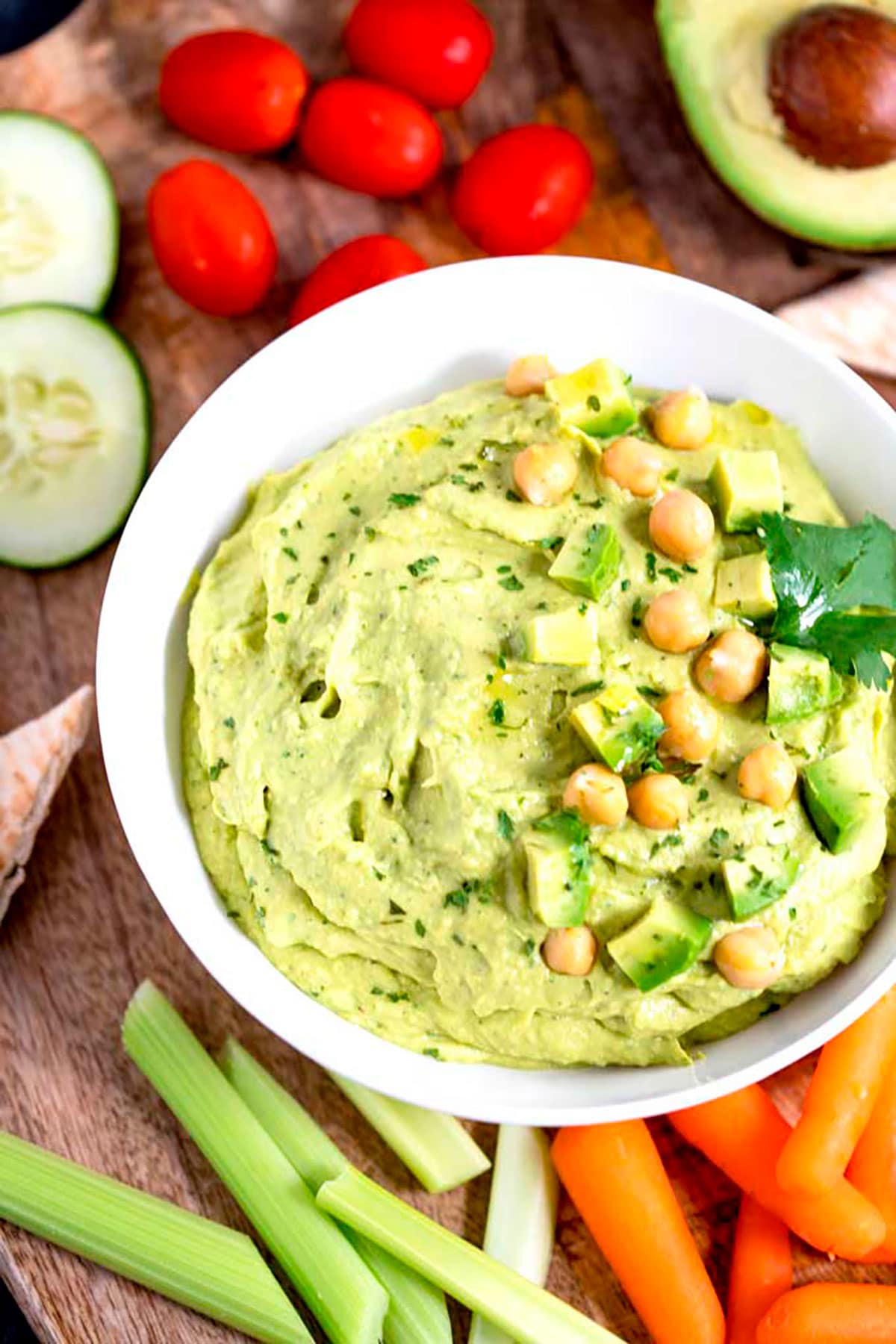
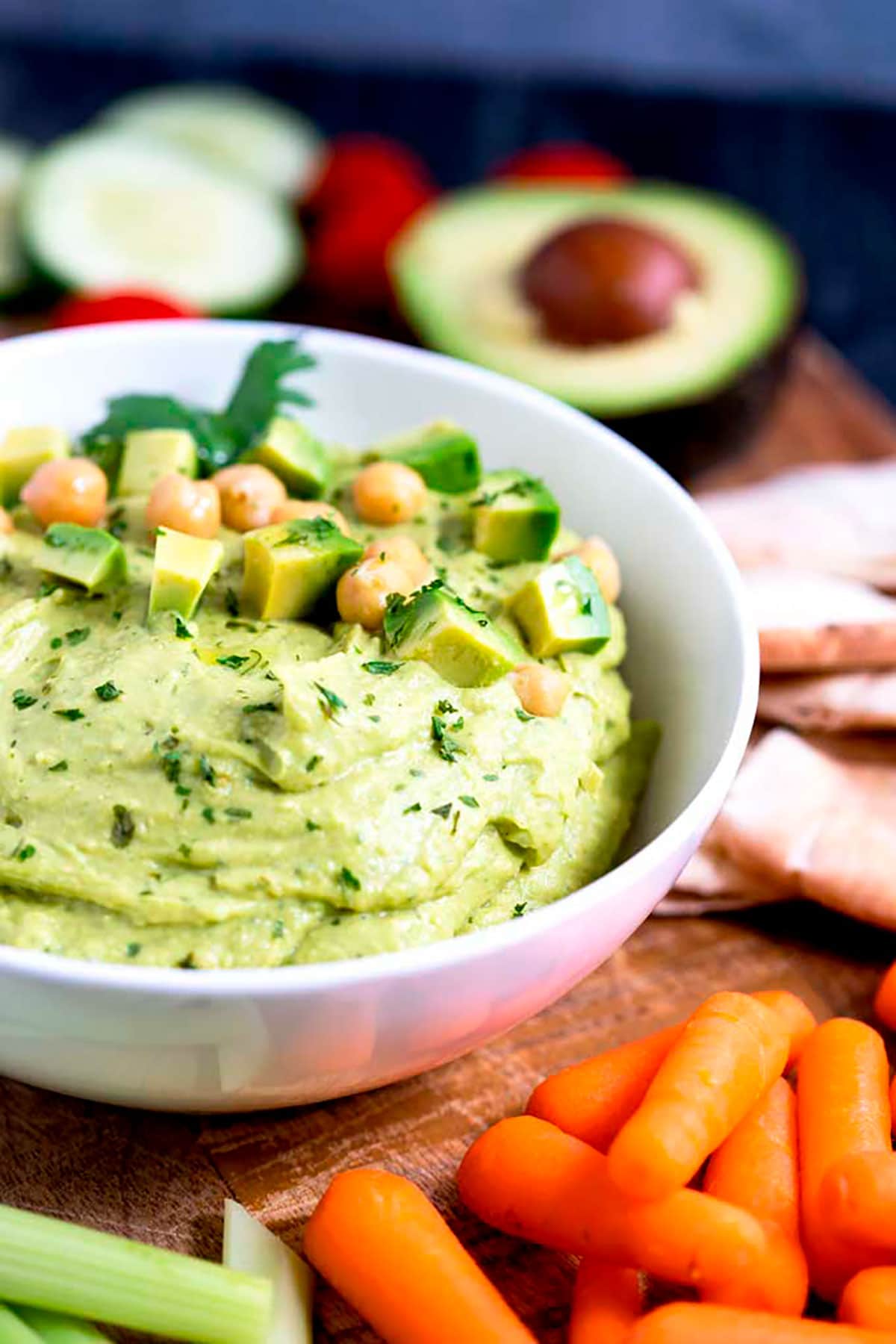
Think of it as classic hummus with avocado folded into the equation: the chickpeas and tahini give the dip its nutty hummus flavor, while avocado makes it especially rich and velvety. I use canned chickpeas because they deliver delicious results without turning a quick hummus dip recipe into an afternoon project.
As a trained chef with restaurant, catering and recipe-development experience, I know simple recipes leave nowhere for imbalance to hide. The key here is using ripe avocado, stirring the tahini before measuring, adding enough fresh lemon and tasting for seasoning after everything is blended.
Serve this hummus with avocado as an appetizer with vegetables, crackers or warm homemade flatbread. It also makes a creamy spread for sandwiches and wraps.
⭐ Avocado Hummus: Recipe Highlights
- Quick and Easy: The entire dip is ready in about 8 minutes.
- No-Cook: Add everything to the food processor and blend.
- Flavor: Fresh lemon and cilantro balance the rich avocado, nutty tahini and chickpeas.
- Texture: Avocado and ice-cold water help create a smooth, creamy, spreadable dip.
- Budget-Friendly: Canned chickpeas keep the recipe practical and save the time required to soak and cook dried beans.
- Dietary: Naturally vegan, dairy-free, gluten-free, nut-free, egg-free and grain-free.
🔎 Ingredients, Substitutions and Swaps

For the complete list of ingredients and exact quantities, check the printable recipe card below.
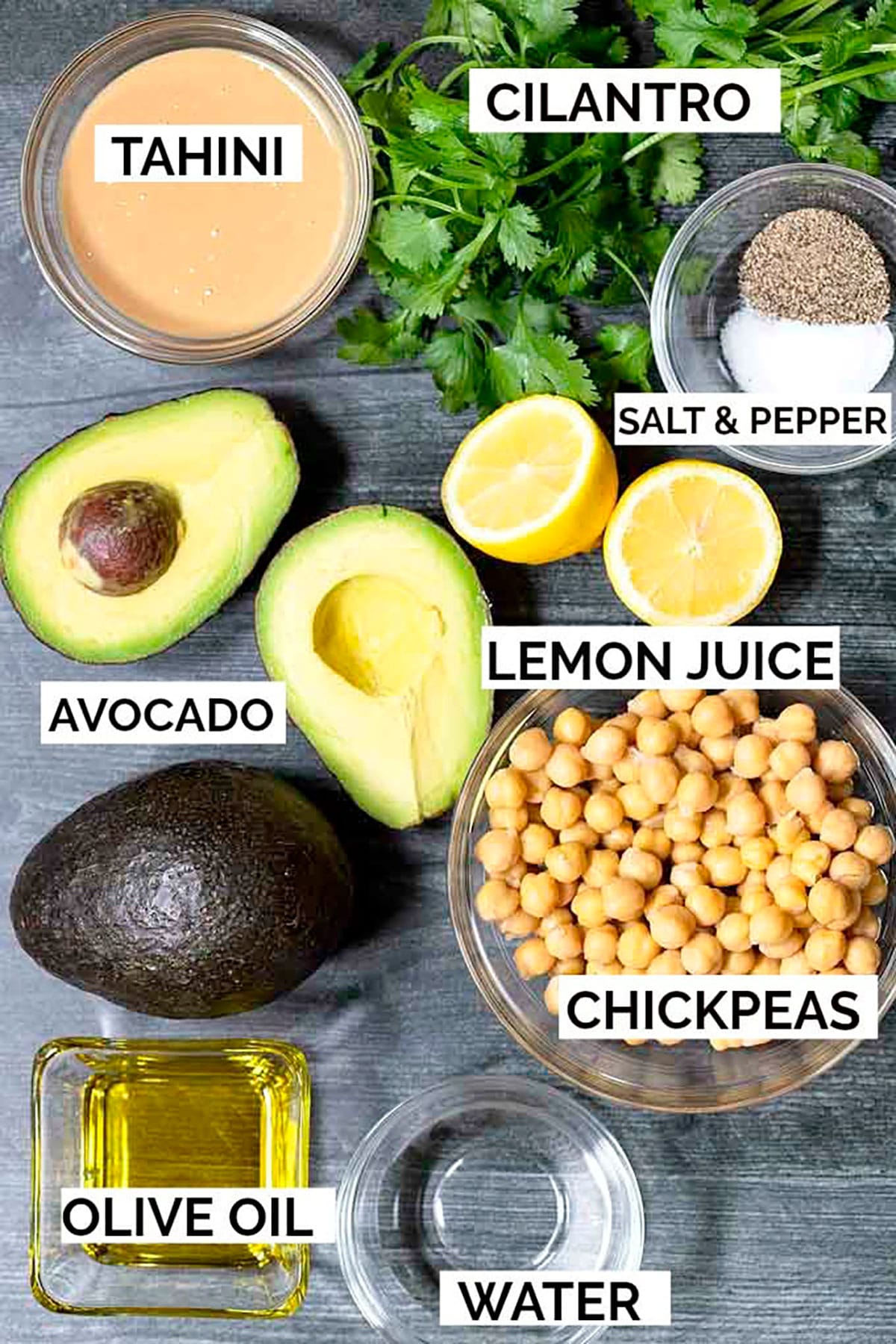
- Chickpeas: One 15-ounce can makes this recipe fast and convenient. Drain the chickpeas well; there is no need to rinse or peel them for this dip. Chickpeas are packed with plant protein and fiber.
- Avocados: Use ripe avocados that yield gently when pressed but are not stringy or heavily bruised. Underripe avocados will not blend as smoothly and can taste flat.
- Tahini: This sesame paste gives hummus its characteristic nutty flavor. Stir it well before measuring because the natural oils can separate in the jar.
- Extra virgin olive oil: Adds richness and fruity flavor. A mild olive oil also works if you prefer a more neutral finish.
- Fresh lemon juice: Brightens the dip and balances the richness of the avocado, tahini and olive oil.
- Cilantro: Adds a fresh, herbaceous note. If you do not enjoy cilantro, parsley and basil are good swaps.
- Ice-cold water: Loosens the mixture and helps it blend into a lighter, creamier dip. Add more only as needed.
🔎 How to Make Avocado Hummus
Scroll down to the printable recipe card below for detailed instructions and cooking times.
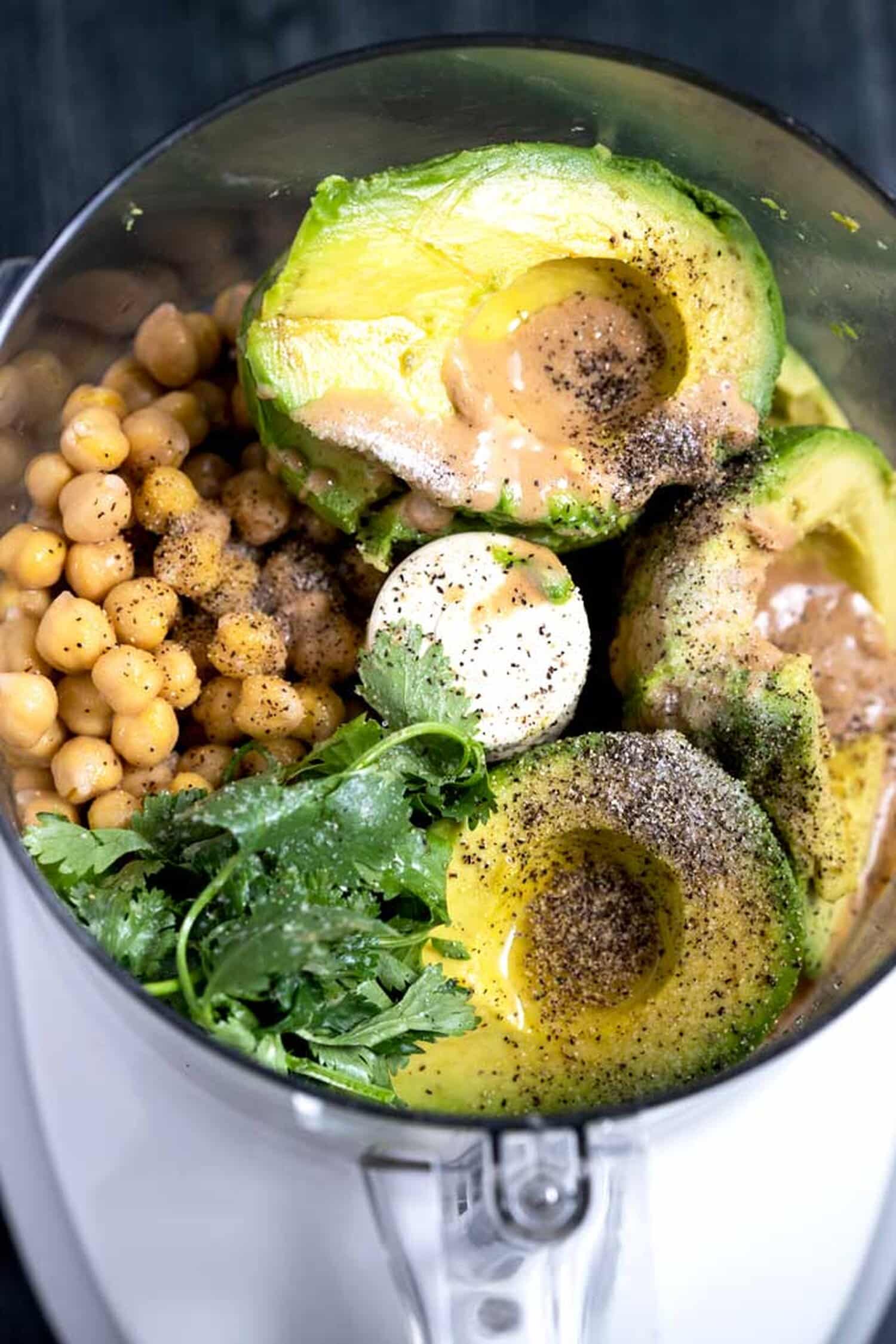
- Add the ingredients: Place the drained chickpeas, avocado, tahini, olive oil, lemon juice, cilantro, 2 tablespoons of ice-cold water, salt and black pepper in a food processor.
- Blend until creamy: Process until no visible chickpea pieces remain, stopping to scrape down the sides of the bowl as needed. Do not rush this step; thorough processing creates a smoother dip.
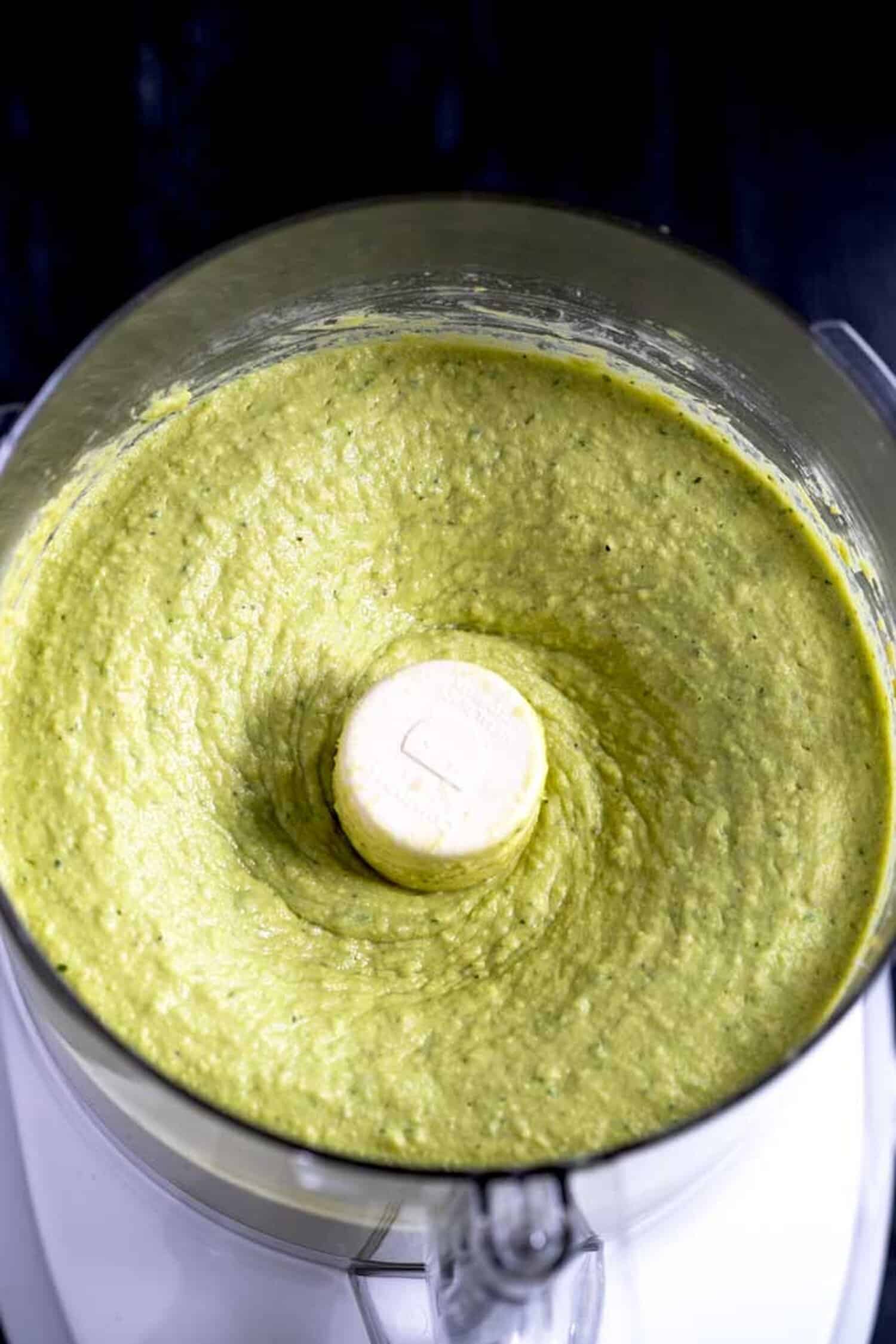
- Adjust the consistency: If the hummus is thicker than you like, add more ice-cold water 1 tablespoon at a time and process again.
- Taste and serve: Adjust the salt, pepper or lemon juice to taste. Spoon into a serving bowl and serve immediately, or cover and refrigerate until ready to use.

🔪 Chef Kathy’s Tips for the Best Avocado Hummus
- Use truly ripe avocados: They blend more smoothly and provide the cleanest avocado flavor. Ice water can loosen a thick dip, but it cannot fix hard, underripe avocado.
- Drain the chickpeas well: Extra canning liquid makes it harder to control the final texture. Start with the measured water and add more only if needed.
- Stir the tahini first: Evenly mixed tahini gives the hummus a more consistent flavor and texture.
- Let the food processor work: Scrape the bowl and continue processing until no visible chickpea or avocado pieces remain.
- Add water gradually: Hummus should be creamy and easy to scoop, not runny. One extra tablespoon can make a noticeable difference.
- Season at the end: Avocado softens sharp and salty flavors, so taste the finished dip before deciding whether it needs more lemon or salt.
- Troubleshoot before serving: If the hummus is too thick, add ice-cold water 1 tablespoon at a time. If it tastes flat, adjust the lemon and salt before adding more water, which would only dilute the flavor.
- Use the right size processor: A standard food processor with at least a 6-cup capacity gives this batch enough room to circulate and blend evenly.
Tested in Kathy’s kitchen. What cooking means to me.
✅ Make Ahead, Storage and Freezing
Avocado hummus has the best color and freshest flavor on the day it is made. You can prepare it several hours ahead; transfer it to an airtight container and press wrap directly against the surface before refrigerating.
Store leftovers in the refrigerator and use them within 2 days for the best quality. Some browning on the surface is normal oxidation, but discard the dip if it develops an off odor, visible mold or other signs of spoilage.
Freezing is possible, but it is not my first choice for this avocado hummus dip. The fresh color and texture can change after thawing. If you freeze it, use a small airtight container, thaw it in the refrigerator and stir well before serving.
🔎 Serving Suggestions
Serve avocado hummus with:
- Carrots, celery, cucumbers or bell peppers
- Pita bread, homemade flatbread, crackers or crostini
- Falafel and other mezze-style dishes
- Sandwiches, wraps or chicken shawarma
- A snack board with olives, roasted peppers and vegetables


Hosting this year?
Which Thanksgiving Are You Hosting?
I wrote four complete menus so you can plan only the dinner you can actually pull off. Each one has its own shopping list, oven schedule and hour-by-hour plan.
✓
Cooking for 2–4
Menu 1 · Turkey breast, one oven, planned leftovers
✓
A classic dinner for 8–12
Menu 2 · Brined turkey, half the work done Wednesday
✓
A big crowd, 12–16
Menu 3 · Ham and slow cooker turkey; guests bring the rest
✓
Vegetarian guests
Menu 4 · Stuffed acorn squash with mushroom gravy
Free 40-page printable, with a thawing chart, a “What can I bring?” sheet and my fixes for when things go sideways.
💛 Conscious Bites
Your priorities, your recipe. Learn about Intentional Cooking.

Environment: Avocado hummus is a forgiving way to use ripe avocados before they cross the line from ready to regrettable. Buy only what you expect to use, and blend cosmetically imperfect avocado flesh into the dip as long as it still smells and tastes fresh.
👀 Take a look at these other easy recipes:




🛒 Things You May Need
-

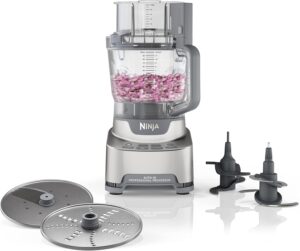
Food Processor
This reliable and powerful kitchen tool chops, shreds, purées and mixes dough like a champ! It has 4 convenient settings and 12-cup capacity. It’s also dishwasher safe which is always a nice feature.
-

Silicone Spatulas
One-piece silicone spatulas I reach for whenever I need to scrape down a mixing bowl. They’re stiff enough to push thick cheesecake batter around but flexible enough to get every bit off the sides, heat resistant to 600°F, and dishwasher safe with no crevices to trap food.
-

Glass Mixing Bowl Set in Three Useful Sizes
1-quart, 1.5, and 2.5 — the sizes most recipes actually call for, without spending much. Glass takes you from whisking to the microwave to the fridge, so fewer dishes pile up. They nest down small, don’t hold onion smell, and go in the dishwasher.
-

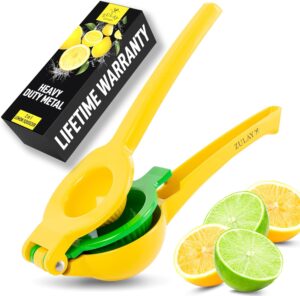
Citrus Juicer – Squeezer
A sturdy, no-frills kitchen essential that extracts maximum juice from lemons and limes while keeping seeds out. Easy to use, easy to clean, and perfect for dressings, marinades, cocktails, and everyday cooking when fresh citrus flavor matters.
-

Glass Jars, Airtight with Bamboo Lids
These stylish, glass jars are airtight, reusable and non-toxic. They are ideal for meal-prep.


Avocado Hummus

Equipment
Ingredients
- 1 (15-ounce) can garbanzo beans, drained
- 2 ripe avocados, peeled, seeded and cut into large chunks
- 1/4 cup tahini
- 3 tablespoons extra virgin olive oil
- 1/4 cup lemon juice, freshly squeezed
- 2 tablespoons cilantro, chopped
- 2 tablespoons ice-cold water, plus more if needed
- Salt and ground black pepper to taste
Instructions
- Place the chickpeas, avocados, tahini, olive oil, lemon juice, cilantro, ice-cold water, salt and black pepper in the bowl of a food processor.
- Process until no visible chickpea pieces remain and the hummus is smooth and creamy, stopping to scrape down the sides of the bowl as needed.
- If needed, add more ice-cold water 1 tablespoon at a time and process until the hummus reaches a creamy, scoopable consistency. Adjust the seasoning to taste.
- Spoon the hummus into a serving bowl and serve, or cover and refrigerate until ready to use.
Chef’s Notes
- Use ripe avocados for the smoothest texture and best flavor.
- Stir the tahini well before measuring.
- Add extra water gradually so the dip does not become runny.
- Store airtight with wrap pressed directly against the surface; enjoy within 2 days for the best color and flavor.
- This recipe makes approximately 3 1/4 cups. Each of the 10 servings is about 1/3 cup, or approximately 5 tablespoons.
Nutrition
🤔 Frequently Asked Questions
What is avocado hummus made of?
This avocado hummus recipe is made with chickpeas, ripe avocado, tahini, extra virgin olive oil, fresh lemon juice, cilantro, ice-cold water, salt and black pepper.
How is avocado hummus different from guacamole?
Avocado hummus is a modern variation of hummus made with chickpeas, tahini and avocado. Guacamole is primarily avocado seasoned with ingredients such as lime, chiles, onion and cilantro. Both are creamy green dips, but avocado hummus has the nutty flavor and fuller body of protein-packed chickpeas and tahini.
Do I need to peel the chickpeas?
No. Some hummus methods call for removing chickpea skins, but it is unnecessary here. Ripe avocado and thorough processing help create a creamy texture without the extra step.
Can I make avocado hummus in a blender?
Yes, although a food processor is easier because this is a thick mixture. When using a high-powered blender, add the lemon juice, olive oil and ice-cold water first so the blades can catch the ingredients. Add the tahini, chickpeas, avocado, cilantro and seasonings, then blend, stopping to scrape down the container as needed.
Why did my avocado hummus turn brown?
Avocado browns when its cut surface is exposed to oxygen. Lemon juice helps slow the process, but it does not stop it completely. Press food-safe reusable wrap or plastic wrap directly against the surface of the hummus before covering the container to reduce air exposure.
This post was originally published in 2019 and has been updated with clearer instructions, additional cooking tips and serving suggestions. The tested recipe remains unchanged.




Leave a Reply