

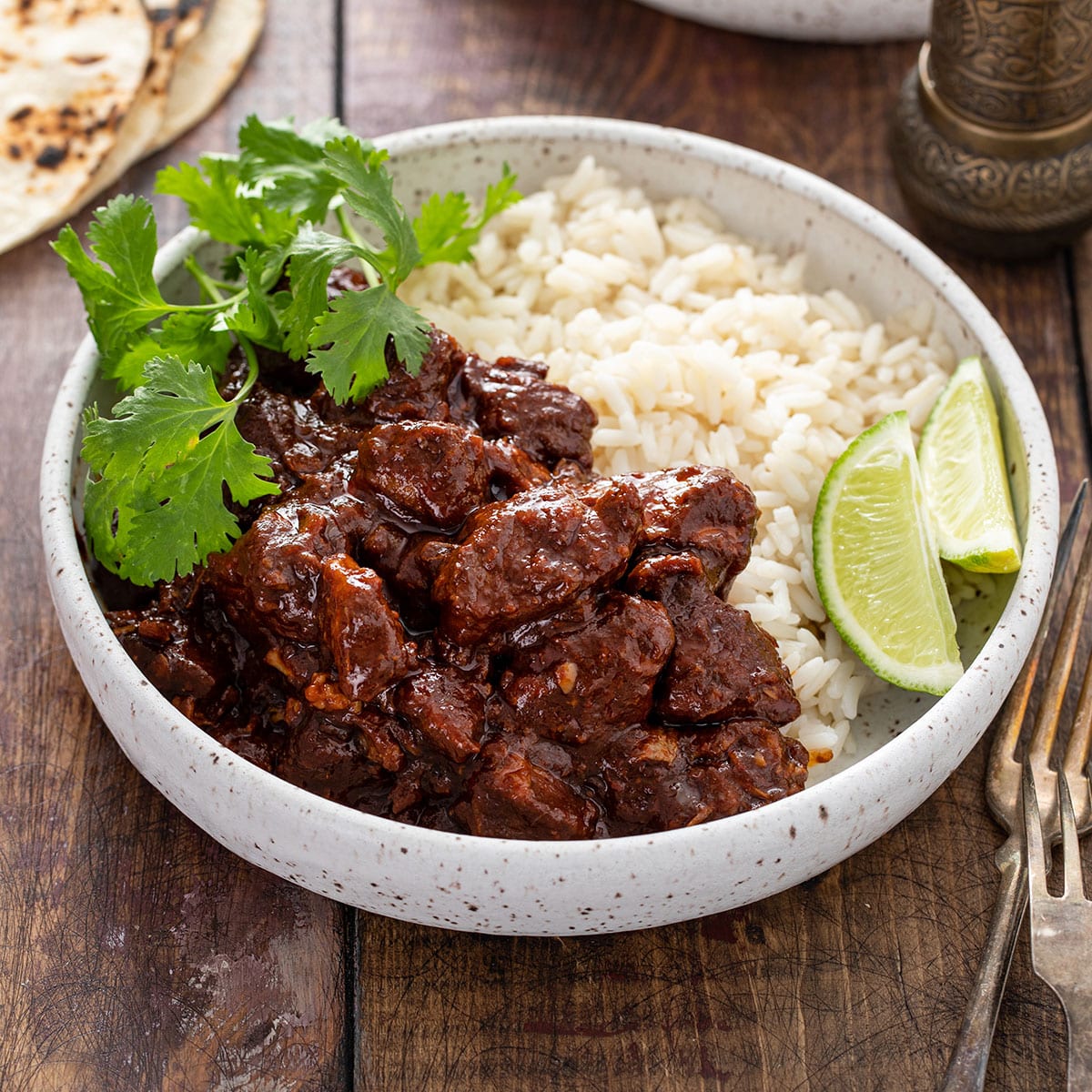

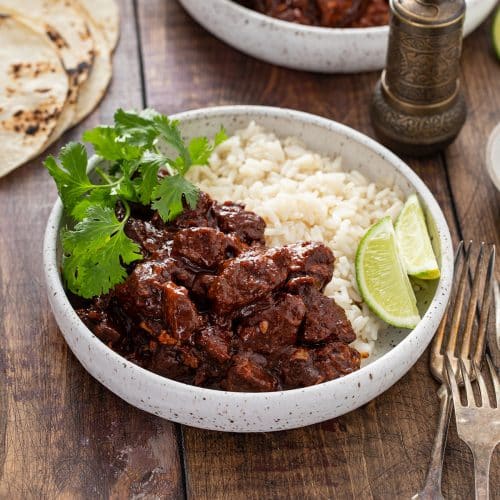
Tender pork, earthy dried chiles, warm spices, and a touch of acidity come together to create layers of flavor that get better with time. It’s the kind of recipe that feels special yet grounded – perfect for a cozy family dinner or casual entertaining. I usually make this recipe during football season and on game day (hey! I like to watch the commercials) because it feeds a crowd on a budget.
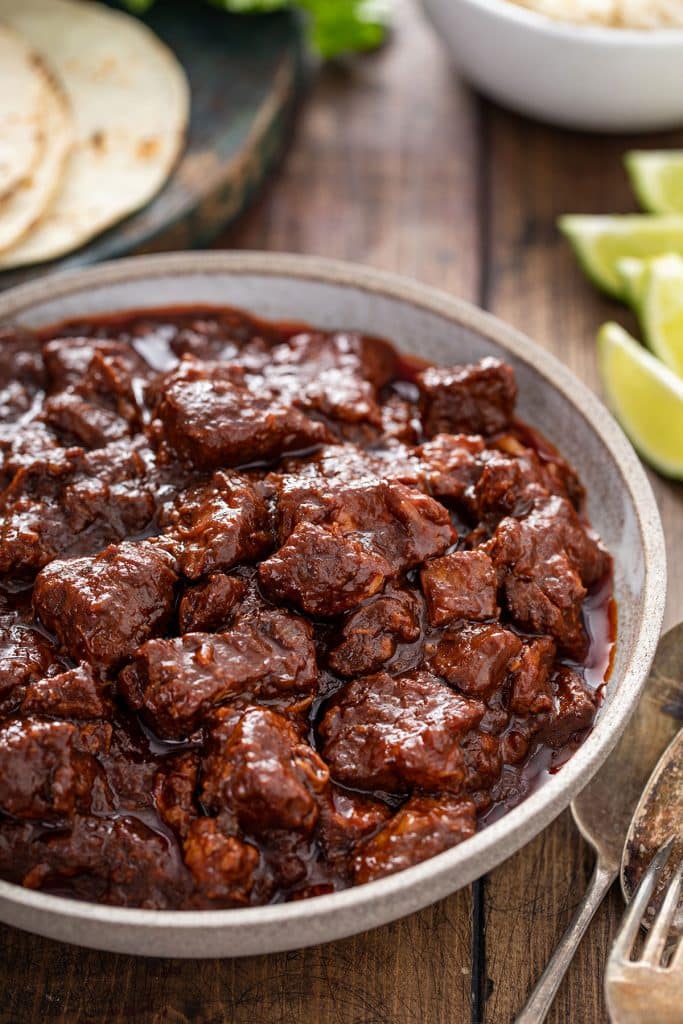
⭐️Carne Adovada: recipe at a glance
- What is it? It’s like Chile con Carne but made with pork. Small chunks of pork butt or pork shoulder are simmered in a Southwestern-style red chile sauce the tender meat falls apart.
- Flavor: Rich, lightly smoky, with bold flavors but not spicy hot.
- Versatile: This New Mexico style pork stew can be served as is, over rice, wrapped like a burrito, made into tacos, added to quesadillas and tostadas. It’s a great option for meal-prep and an affordable way to feed a crowd.
- 4 cooking methods: Stove-top, oven-braised, Instant pot (pressure cooker), crockpot.
- Dietary: Gluten-free, low-carb, grain-free, nut-free, dairy-free, egg-free.
🤔 Adovada vs Adobada
You may notice this dish spelled carne adovada instead of carne adobada, and yes – that’s intentional.
In Mexican cuisine, adobada refers to meat cooked in an adobo – a chile-based sauce with vinegar and aromatics. In New Mexico, carne adovada is a specific dish of pork simmered slowly in a red chile sauce. Same roots, different traditions, and both absolutely delicious.
✔️ Ingredients, Substitutions and Swaps

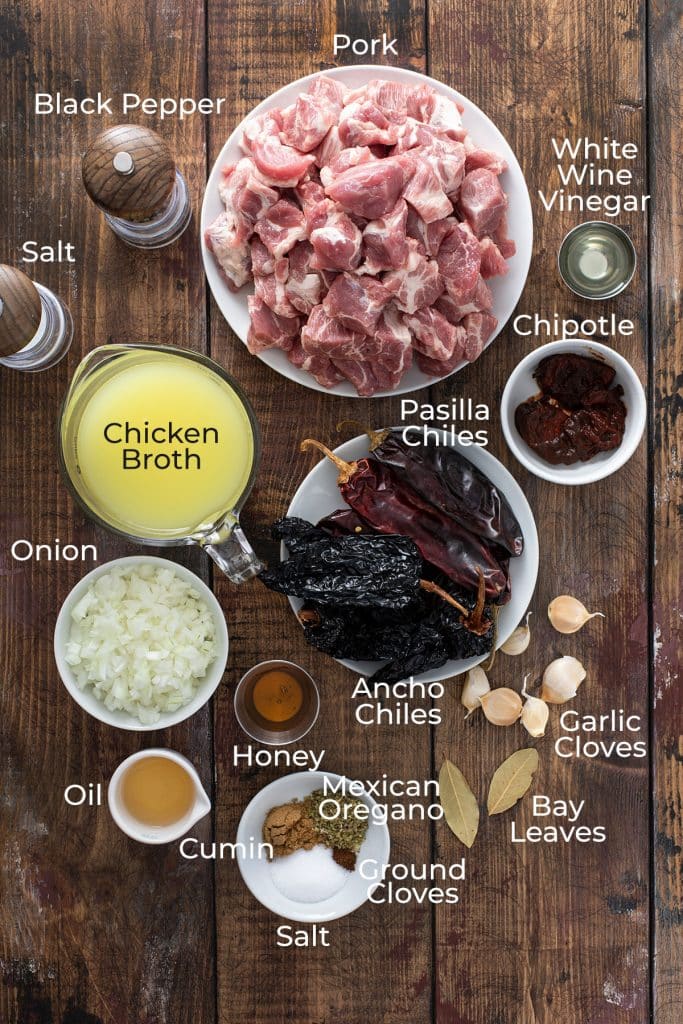
For the complete list of ingredients and exact quantities, check the printable recipe card below.
- Pork Shoulder (or Butt): Sometimes labeled Boston butt, this well-marbled cut breaks down slowly becoming fork-tender after stewing low and slow.
- Dried Red Chiles: Rehydrated dried chiles build deep, complex flavor without excessive heat. I use dried ancho and pasilla chiles, which are rich and mild, but New Mexico chiles work beautifully as well. For more heat, add dried chile de árbol,or extra chipotles in adobo sauce. Skip chili powders – whole dried chiles are essential for this sauce.
- Garlic & Onion: Build a savory backbone for the chile sauce. Brown, white or yellow onion can be used. Fresh garlic is a must for this recipe. In a pinch, use garlic paste.
- Spices: Add warmth and herbal complexity typical of Northern Mexican and New Mexican cooking. Dried oregano, cumin, ground cloves and bay leaves.
- Vinegar: A small amount of white wine vinegar balances the richness and brightens long-simmered flavors. You can use apple cider vinegar as well.
- Chipotle in Adobo: Adds subtle smokiness and some heat. Don’t substitute them for dried chipotles or ground chipotle because they won’t taste the same without the brine.
- Honey: This sweet element balances the flavors of the chiles and the acidity of the vinegar and the adobo. I prefer using local honey when available (excellent for allergy season!). Maple syrup or sugar can be used.
🔎 How to Make Carne Adovada
This recipe can be made on the stovetop or in the oven. For specific instructions and times, please check the printable recipe card below.
🔎 Make the Red Chile Sauce
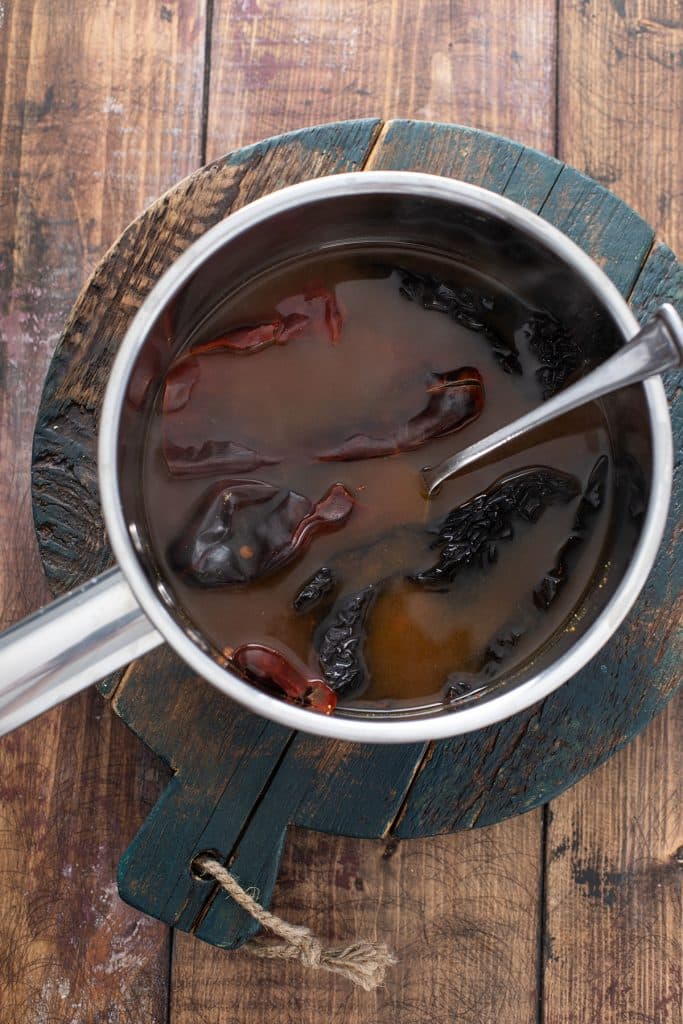
- Rehydrate the chiles: Simmer the dried chiles in broth or water until softened. This gentle hydration helps tame bitterness and unlocks their natural sweetness.
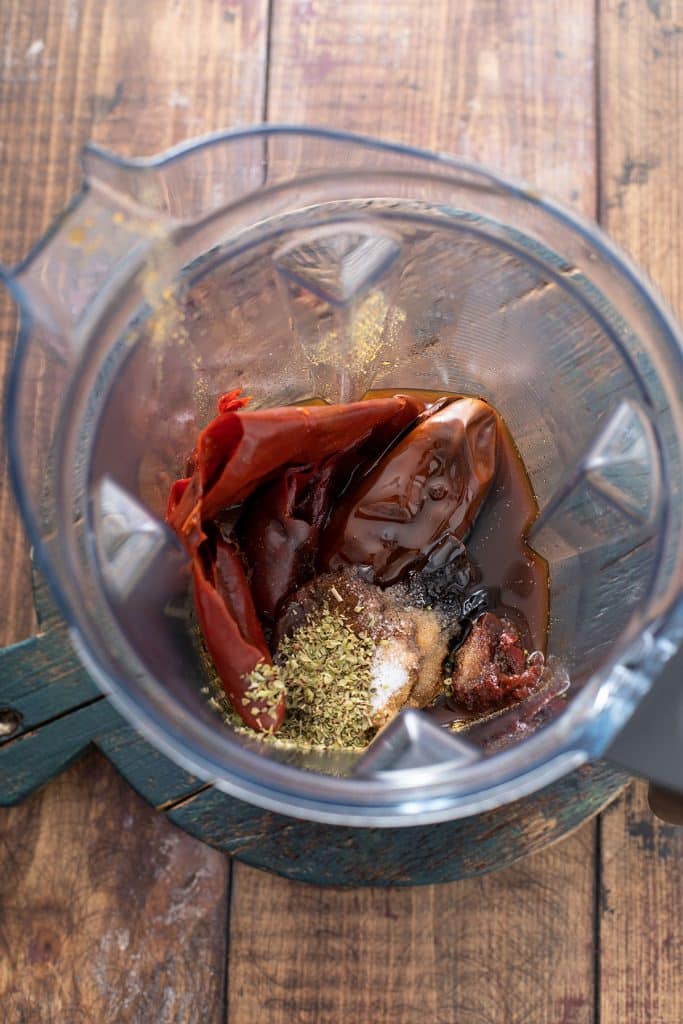
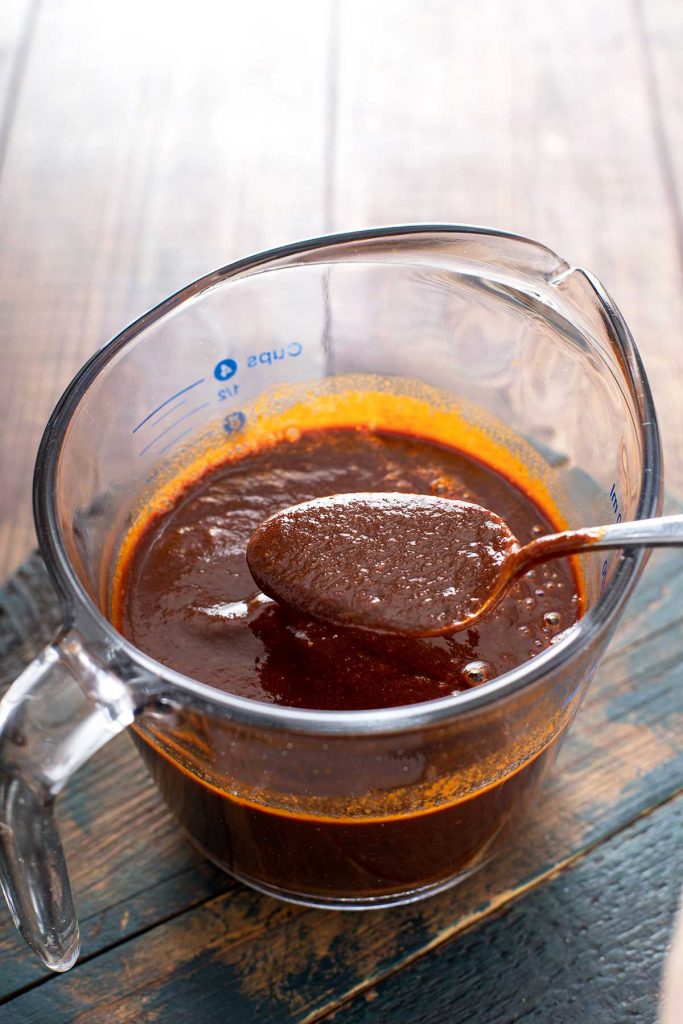
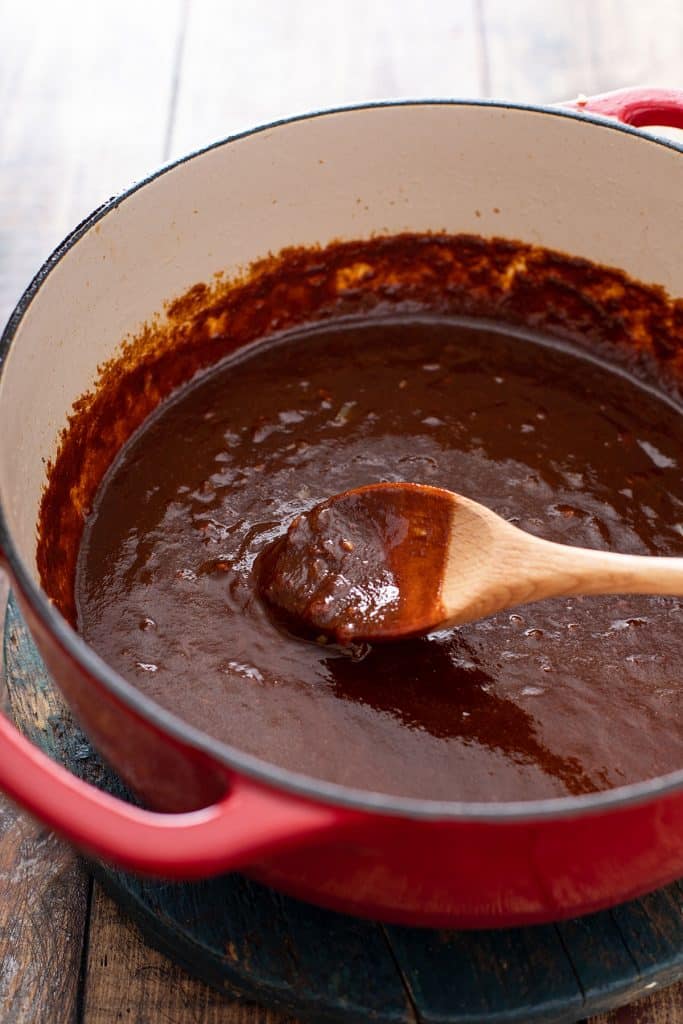
- Blend the sauce. With a slotted spoon, transfer the chiles and some of their liquid into a blender. Add the chipotle peppers and some of their adobo sauce, honey, white wine vinegar, garlic, ground cumin, dried oregano, and ground cloves. Process until you get a smooth mixture.
🔎 Make the Stew
- Season the pork: Pat the pork dry and season generously with salt and pepper. Dry meat browns better building deeper flavor.
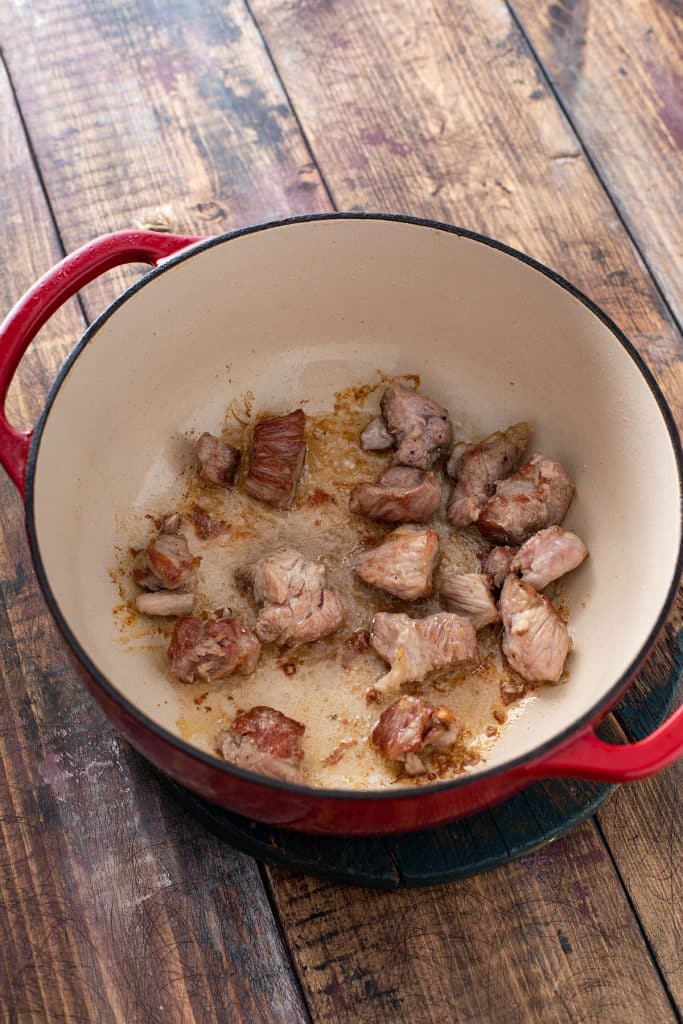
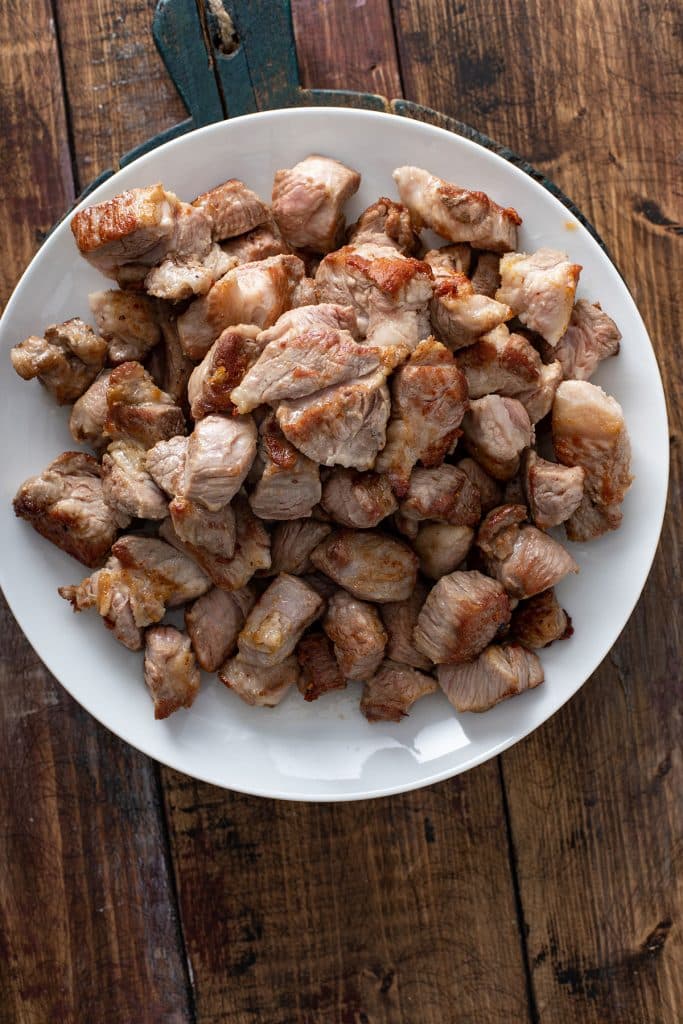
- Brown the pork: Working in batches, sear the pork in a large pot or Dutch oven until well browned. Don’t rush this step – those browned bits add richness to the sauce.
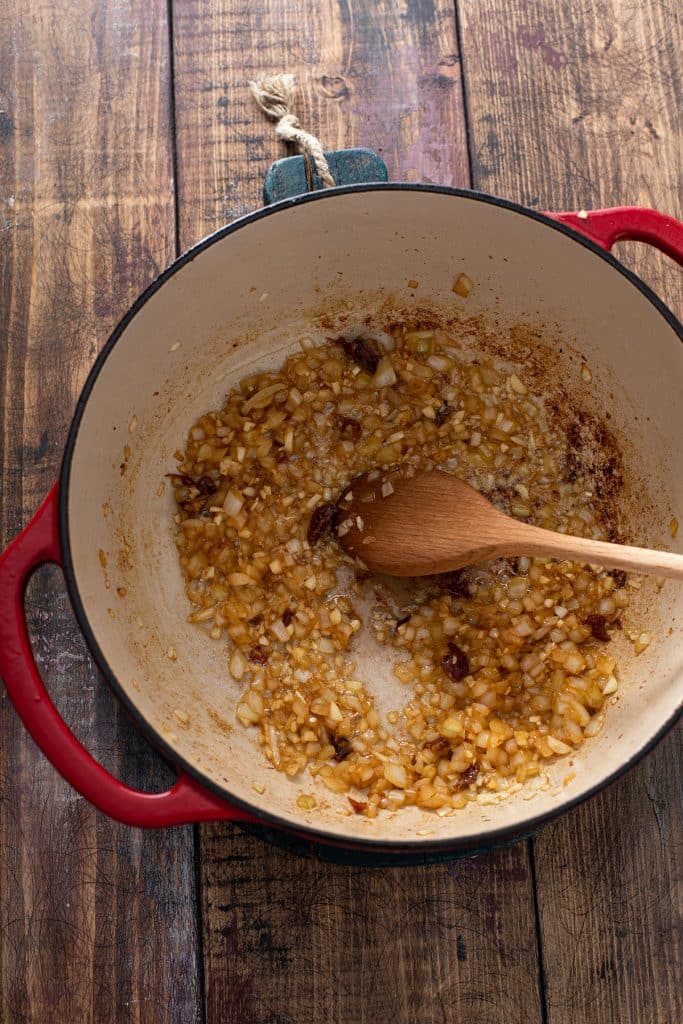
- Build the stew: Sauté the onions until they become softened. Add the garlic and cook until fragrant. Add the blended sauce into the pot and deglaze the pot by scraping the browned bits stuck at the bottom. Stir the pork into the mixture until completely coated in the sauce. Add the bay leaves and bring the sauce to a boil.
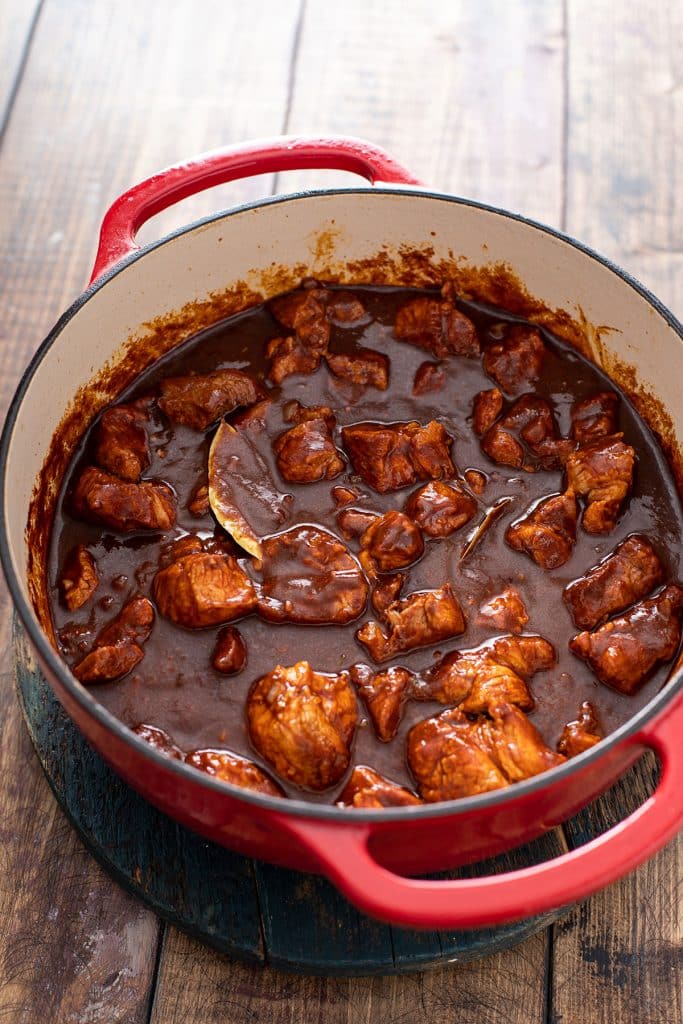
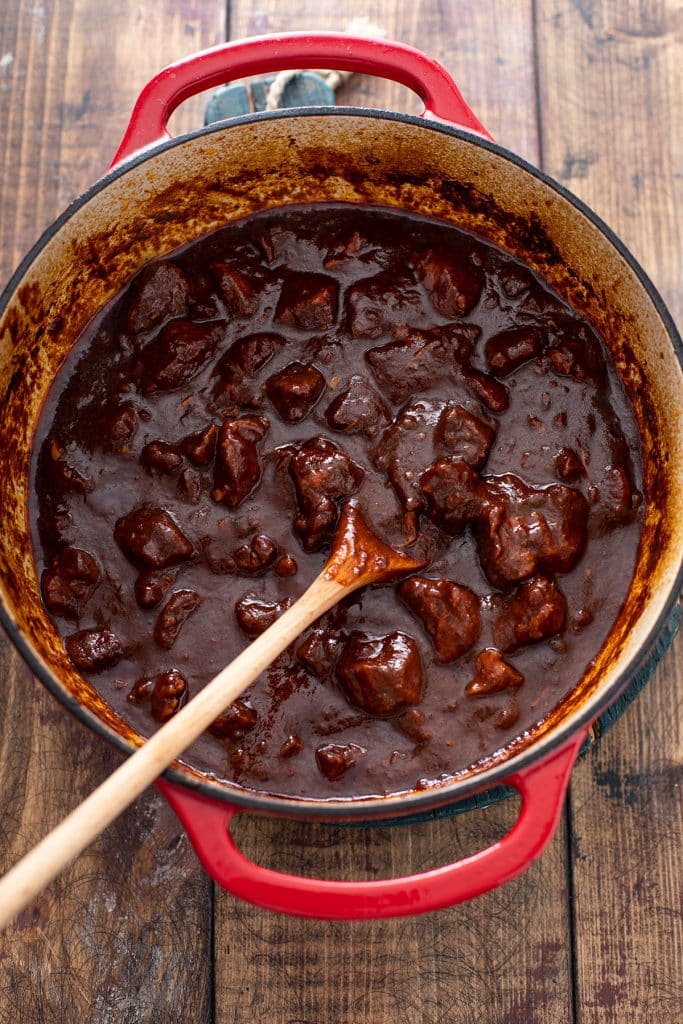
- Slow braise: Cover and cook over low heat (or in a 325°F oven) until the pork is fork-tender and the sauce is thick, glossy, and deeply flavorful. It should have the consistency of ketchup.
- Finish and serve:Taste and adjust seasoning. The sauce should coat the back of a spoon and the pork should pull apart easily.
🔪 Carne Adovada: Recipe Tips and Notes
- Rinse the dried chiles. Give the chiles a quick rinse to remove any dirt, before throwing them into the saucepan.
- Choose the right cut: Pork shoulder or pork butt is essential for this stew recipe. The fat and connective tissue slowly break down, giving the sauce richness and body.
- Dry the pork before browning: Moisture prevents proper searing. Pat the pork dry so it develops deep flavor and color.
- Blend the sauce until smooth: A silky chile sauce coats the pork better and creates a more refined final texture.
- Brown in batches: Crowding the pot causes steaming instead of searing, which flattens flavor.
- Cook low and slow: Gentle heat allows collagen to melt and flavors to mellow. Rushing the process leads to tough meat and harsh chile notes.
- Watch the sauce, not the clock: Carne adovada is done when the pork pulls apart easily and the sauce coats the back of a spoon.
- Better the next day: Like many chile-based stews, carne adovada tastes even better after an overnight rest.
🔎 How I Serve It
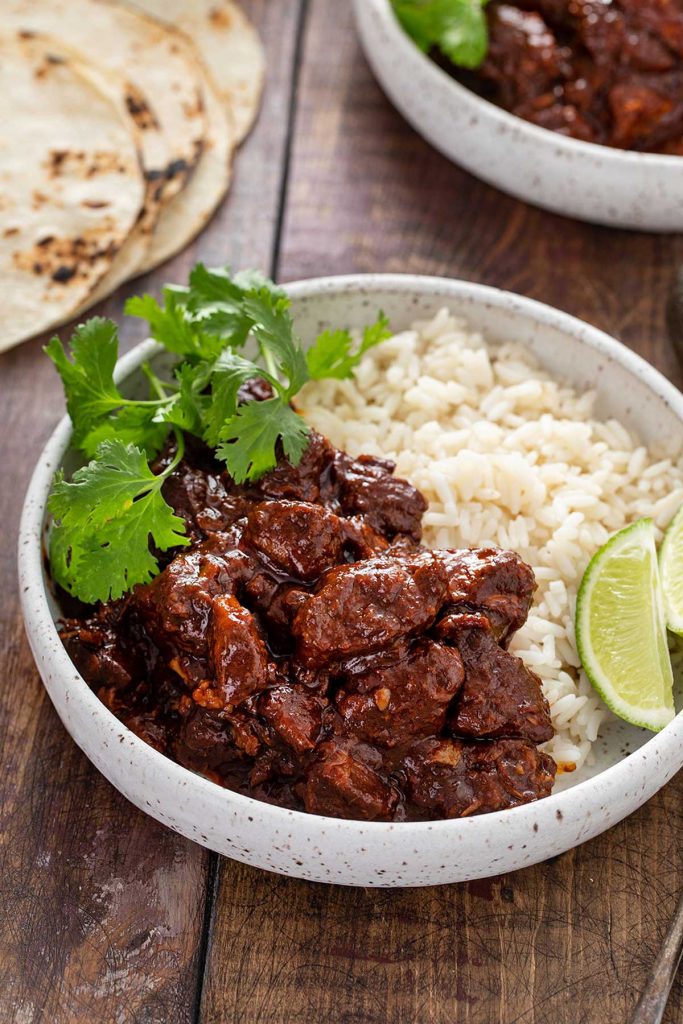
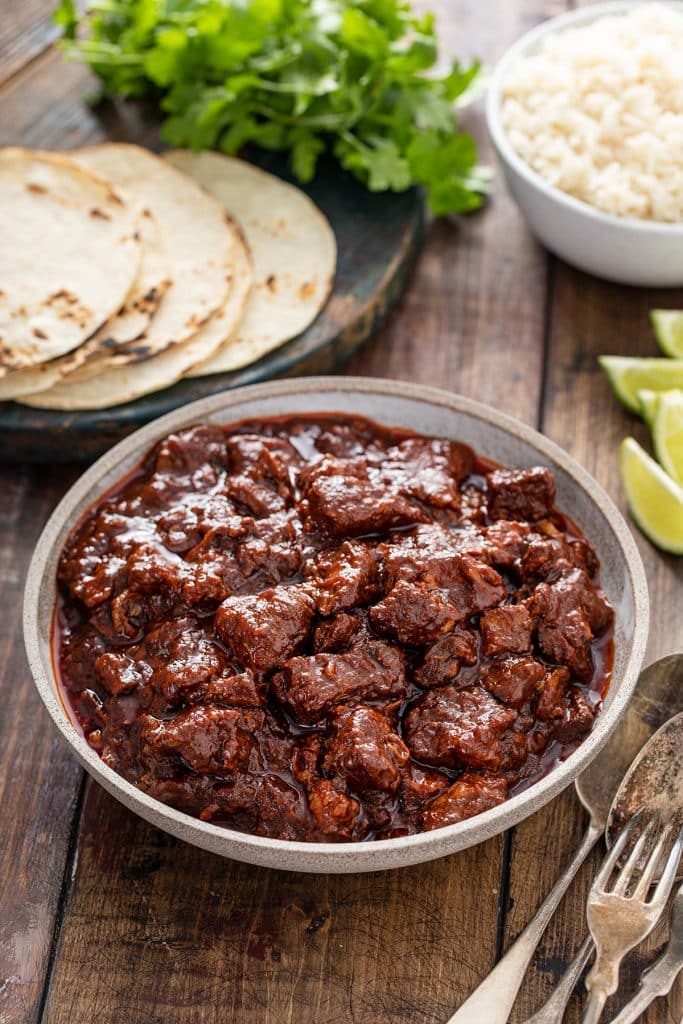
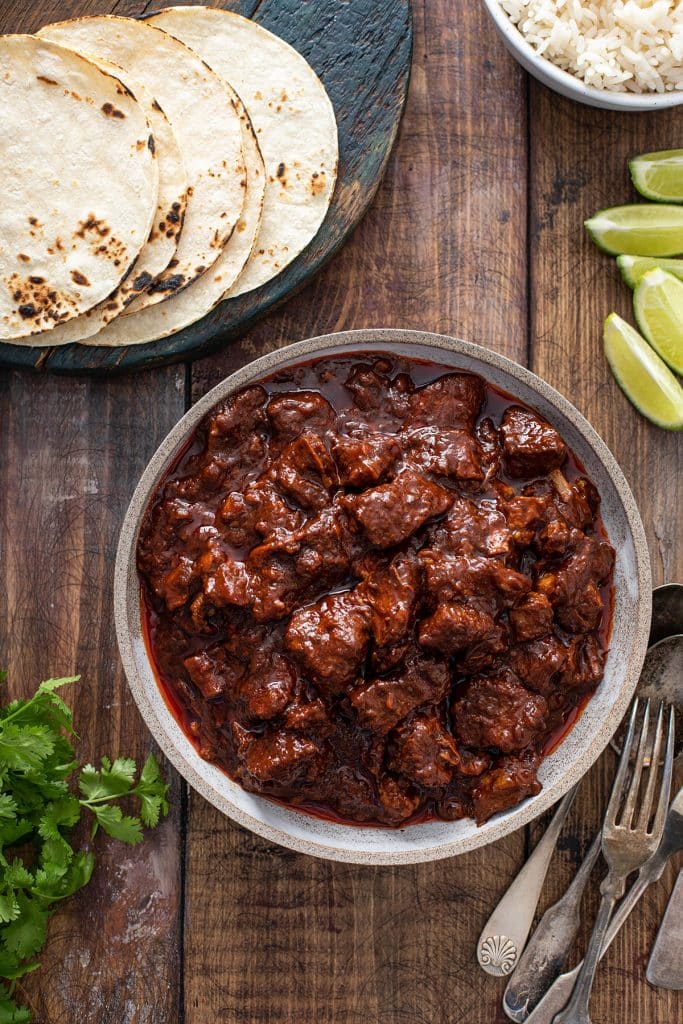
I love serving Carne Adovada family-style with warm corn or flour tortillas, rice, and simple beans. Leftovers are incredible tucked into tacos, spooned over eggs for breakfast, or folded into burritos later in the week.
🤔 Frequently Asked Questions
What is carne adovada made of?
Pork shoulder or pork butt, simmered in a flavorful red chile sauce.
Is carne adovada Spicy?
Not necessarily. The heat level depends on the chiles used. Ancho, pasilla and New Mexico chiles are mild; chipotle in adobo adds smokiness and gentle heat. If you prefer it spicy hot, use dried chile de arbol or add extra chipotle in adobo (with the seeds and veins).
Can I make this in the slow cooker or Instant pot?
Yes. Slow cook on low for 6-8 hours, or pressure cook on high pressure for about 60 minutes with a 15 minutes of natural release.
What’s the difference between adovada and adobada?
Adovada is a New Mexican-style dish traditionally made with pork braised in red chile sauce, while adobada often refers to marinated meats in broader Mexican cooking.
What’s the difference between Chile Colorado and Carne Adovada?
Carne Adovada is made with pork in a red chile sauce while Chile colorado is made with beef, stewed in a sauce made with roasted tomatoes, spices and dried red chiles.
What’s the difference between Carne Asada and Carne Adovada?
Carne asada is always made with steak (beef) that’s marinated, and quickly grilled while carne adovada is made with pork stewed, low and slow in a red chile sauce.

Hosting this year?
Which Thanksgiving Are You Hosting?
I wrote four complete menus so you can plan only the dinner you can actually pull off. Each one has its own shopping list, oven schedule and hour-by-hour plan.
✓
Cooking for 2–4
Menu 1 · Turkey breast, one oven, planned leftovers
✓
A classic dinner for 8–12
Menu 2 · Brined turkey, half the work done Wednesday
✓
A big crowd, 12–16
Menu 3 · Ham and slow cooker turkey; guests bring the rest
✓
Vegetarian guests
Menu 4 · Stuffed acorn squash with mushroom gravy
Free 40-page printable, with a thawing chart, a “What can I bring?” sheet and my fixes for when things go sideways.
✔️ Make-Ahead, Storing, Freezing and Reheating
- Making Ahead: Flavors improve after a day in the fridge.
- Storing: Cool the pork stew completely. Store it in an airtight container in the refrigerator for 3-4 days.
- Freezing: You can freeze carne adovada for up to 3 months. Cool the pork stew completely, then store in an airtight freezer-safe container or freezer safe resealable bag and freeze.
- Thawing: Thaw in the refrigerator overnight.
- Reheating: This delicious meal can be reheated in the microwave or on the stovetop. Add additional broth, if needed.
💛 Conscious Bites
Your priorities, your recipe. Learn about Intentional Cooking.

Animal Welfare: Pigs are highly intelligent, social animals, which makes the realities of industrial pork production especially troubling. When possible, choose pork from farms that prioritize humane treatment, outdoor access, and responsible feeding practices.

Environment: Industrial pig farming strains the environment, contributing to water pollution, greenhouse gases, and deforestation for feed. Choosing pork from small, pasture-raised, or regenerative farms helps reduce these impacts. You may have to pay a bit extra but the planet (and the pigs) will thank you.

Pork from industrial farms can be higher in additives, antibiotics, and unhealthy fats, which may impact long-term health. Choosing responsibly raised pork – pasture-raised or organic – supports both better nutrition and overall food quality.
👀 Take a look at these other pork recipes:



🧂 Shop This Post
-
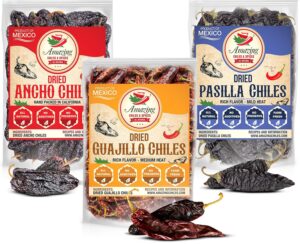
Dried Chile Peppers Variety Pack
Dried Chiles are an staple of Mexican and Southwestern cuisine and this variety pack makes me so happy! This bundle includes three of the most popular dried chiles: Pasilla, ancho and guajillo. They are sun-dried, hand-picked and of excellent quality.
-
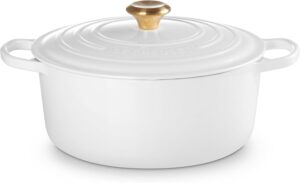
Le Creuset Enameled Cast Iron Dutch Oven
This is the Rolls-Royce of Dutch ovens. An investment piece that lasts a lifetime. High quality, easy to clean, durable with perfect heat distribution. Definitely an investment piece. 7.5 Qt capacity. Available in many colors.
-
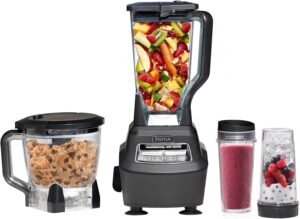
Ninja Blender with Food Processor and To-Go Cups
This is the high-power blender I’ve used at home for years. It crushes ice and frozen fruits effortlessly, blends smoothies silky-smooth, and cleans up easily. The food processor cup and two to-go cups make it practical for everyday life. Excellent performance, solid quality, and a price that won’t scare you off.
-
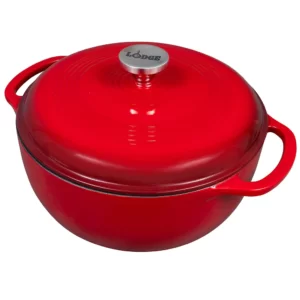
Lodge Cast Iron Dutch Oven
This 7.5 Qt Dutch oven is of good quality and great value for the price, especially if compared to more expensive brands like Le Creuset. I own several Lodge pieces and I love them all. Available in many colors.
Carne Adovada (New Mexican Red Chile Pork)

Equipment
- Saucepan
- Pot/Dutch oven
Ingredients
- 3 lb boneless pork butt or shoulder, trimmed and cut into 1.5-inch chunks
- 4 dried ancho chiles, stems and seeds removed
- 4 pasilla or New Mexico chiles (or a combination of both), stems and seeds removed
- 2 cups chicken broth or water
- 1-3 chipotle chipotles in adobo sauce, (see notes)
- 2 tbsp honey
- 2 tbsp white wine vinegar
- 6 garlic cloves, peeled and roughly chopped
- 1 tbsp ground cumin
- 2 tsp dried Mexican oregano
- ⅛ tsp ground cloves
- 2 tsp sea salt
- 1 small onion, finely chopped
- 2 tbsp olive oil or vegetable oil
- 2 bay leaves
- Salt and ground black pepper, to taste
Instructions
- Pat the pork dry with paper towels or a clean kitchen towel and season with salt and pepper. Set aside while you make the sauce.
Make the sauce:
- In a small saucepan, place the dried chiles and broth and bring to a boil over medium-high heat. Lower the heat to low. With a spoon, push the dried chiles down to make sure they are completely submerged in the broth. Cover and simmer until the chiles become soft, about 8-10 minutes. Remove from the heat, uncover the pot and allow to cool at room temperature for about 10 minutes.

- Transfer the chiles and about half of their liquid to a blender. Add the chipotles in adobo sauce plus some extra adobo sauce (see notes), honey, white wine vinegar, garlic, ground cumin, dried oregano, ground cloves and salt into the blender and process at high speed for about 2 minutes or until smooth. Add the remaining cooking liquid and continue to blend until the sauce becomes smooth.

If cooking in the oven:
- Preheat the oven to 325º F.
Cook the pork:
- In a heavy-bottom pot or Dutch oven, heat the oil over medium-high heat. Sear the pork stirring occasionally for about 6 minutes or until golden brown. Brown the pork in batches to prevent overcrowding the pot. Add additional oil, if needed. Remove the meat from the pot and transfer to a bowl.

- Add the onions to the pot and sauté, stirring frequently until they become tender, about 3-4 minutes. Stir in the garlic and cook until fragrant, about 30 seconds.

- Pour the chiles sauce into the pot and scrape any browned bits from the bottom of the pot. Return the pork to the pot with any collected juices. Stir to evenly coat the pork with the sauce. Add the bay leaves and bring to a boil.

Stovetop Instructions:
- Reduce the heat to low. Cover, and simmer, stirring occasionally, for about 2 to 2.5 hours or until the pork becomes fork tender.
Oven Instructions:
- Cover the pot and transfer it to the oven. Cook for about 2 to 2.5 hours or until the pork becomes fork tender. Remove from the oven, uncover and carefully stir to combine.
- The sauce should be thick (almost as thick as ketchup). If the sauce is thin, place the pot on the stove and simmer over medium-low heat uncovered, stirring to prevent the sauce from sticking to the bottom of the pot, until reduced to the desired consistency.

- Season with salt and pepper to taste.
- Serve with rice and/or corn tortillas, chopped cilantro and lime wedges.

Chef’s Notes
-
Rinse the dried chiles to remove any dirt.
-
Pork: Well-marbled pork shoulder or pork butt (sometimes labeled Boston butt) is essential for this recipe. I prefer buying boneless but bone-in can be used. Simply cut the meat off the bone
-
Dried Red Chile Peppers: Another essential ingredient that creates the most flavorful sauce. You can use one type of dried chiles or a combination for a more complex flavor. This recipe cannot be made with chili powder. More details within the post.
- To Make on the Instant Pot: Follow the recipe and cook on high pressure for about 60 minutes with a 15 minutes of natural release
- To Make on a Slow Cooker: For best results sear the pork before adding it to the slow cooker. Cook on low for 6-8 hours or until the pork is tender.
-
Making Ahead: Flavors improve after a day in the fridge.
-
Storing: Cool the pork stew completely. Store it in an airtight container in the refrigerator for 3-4 days. It freezes well.
Nutrition
This post has been updated with new relevant information to benefit the reader. The recipe remains the same.






Leave a Reply