Environment: How Your Food Choices Impact the Planet
We don’t just eat food. We participate in a food system.
Every ingredient we bring into our kitchen has a story – where it was grown, how it was produced, how far it traveled, and what it cost the land, the water, and the people involved.
For many of us, this isn’t something we were taught to think about.
Food shows up at the store, we buy it, we cook it, we move on.
But once you start asking questions – the kind of questions that change how you see things – it’s hard to go back.
Intentional Cooking isn’t about carrying the weight of the entire food system on your shoulders.
It’s about understanding the system just enough to make choices that feel aligned with your values, your life, and your reality.

Start Here: The Most Powerful Change You Can Make
If you take only one thing from this page, let it be this:
Reducing food waste is one of the most impactful environmental choices you can make at home.
Before changing where you shop, what you buy, or how “perfectly” you eat – start with using what you already have.
Less waste means:
- less demand on the system
- less pressure on land and resources
- less food ending up in landfills
Small shifts here create real impact.
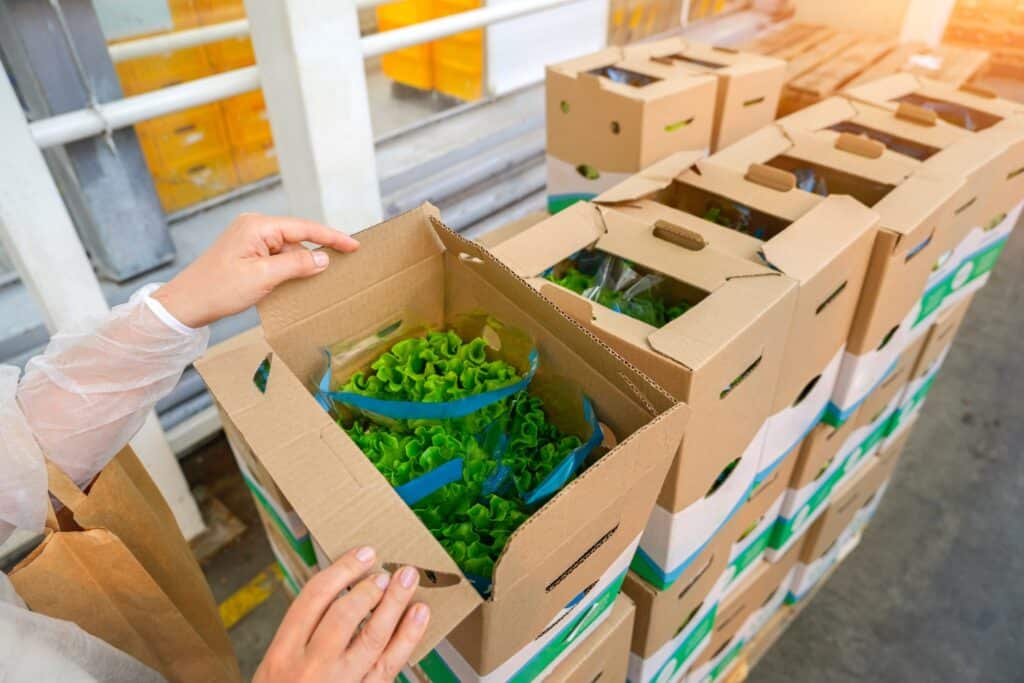
The Reality Behind Our Food System
Most of the food available to us today comes from systems designed for efficiency, scale, and profit.
That doesn’t make those systems “evil.” But it does mean they come with tradeoffs.
Industrial agriculture often relies on:
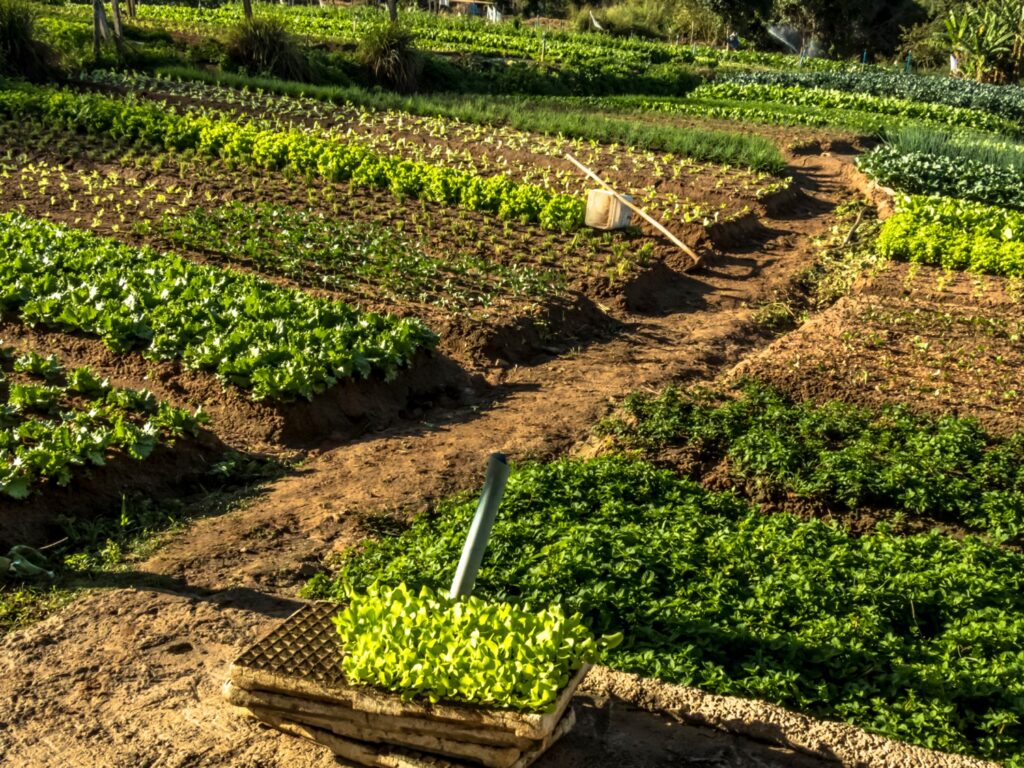
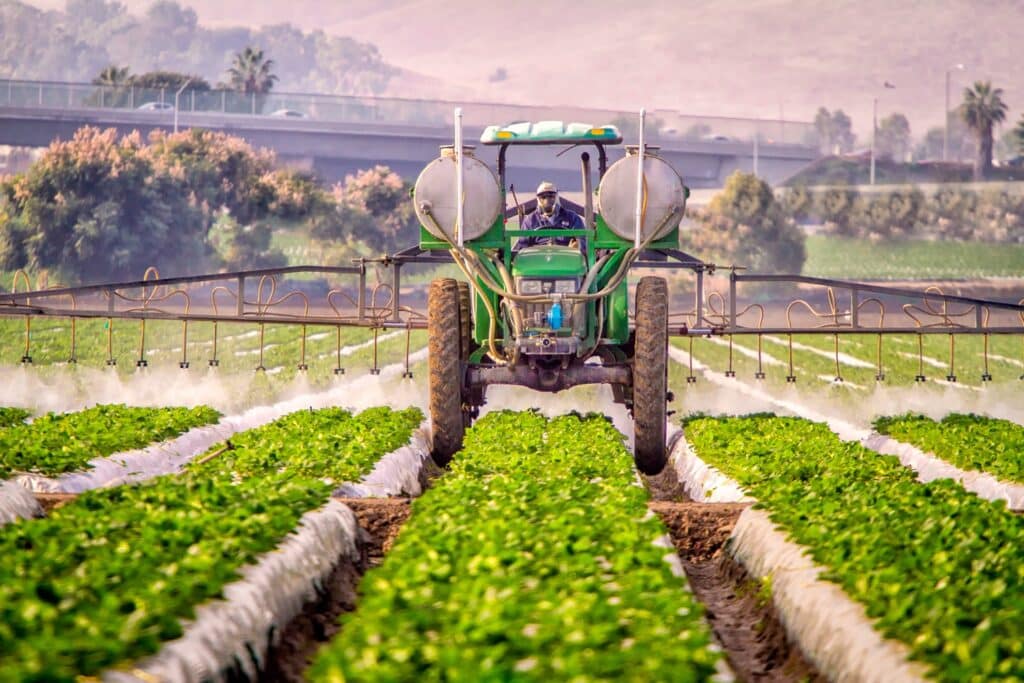
- large-scale monoculture (growing the same crop over and over which damages the soil)
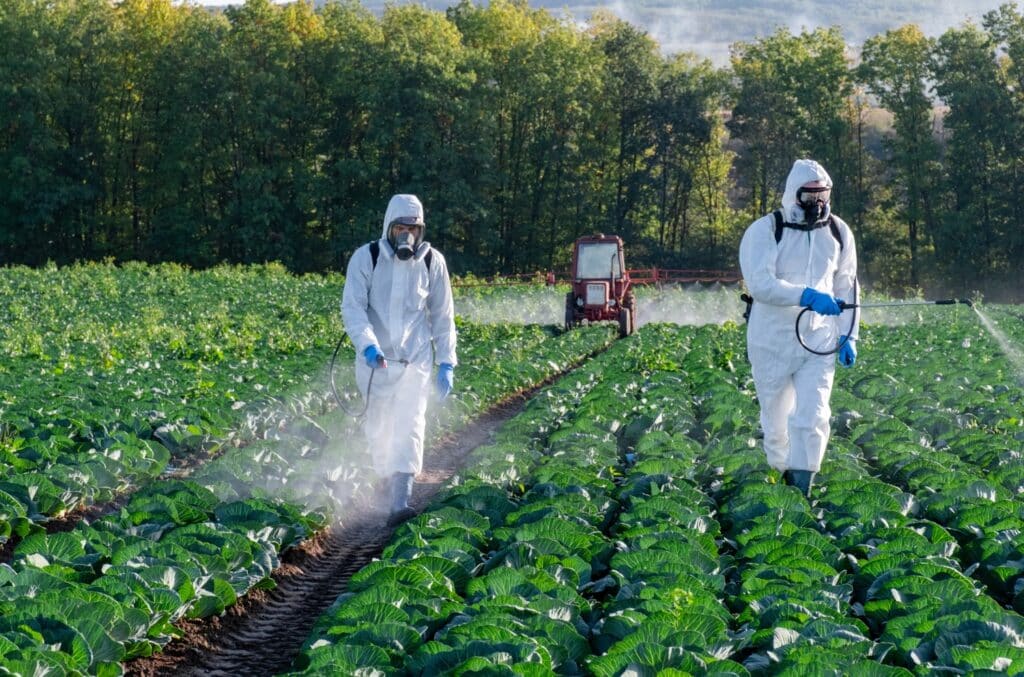
- synthetic fertilizers and pesticides
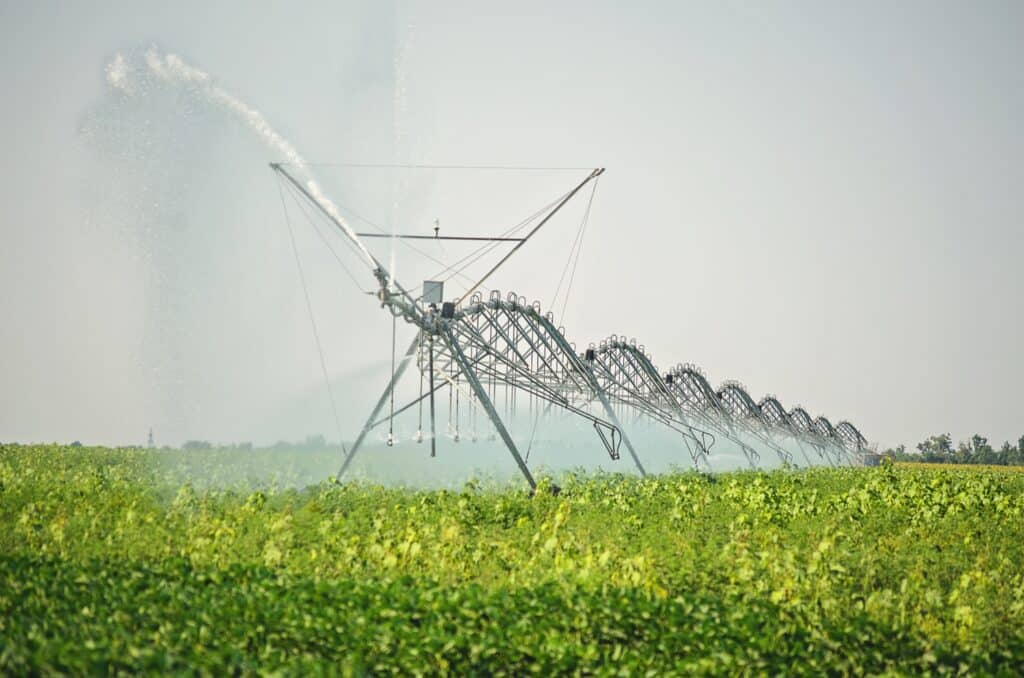
- heavy water use
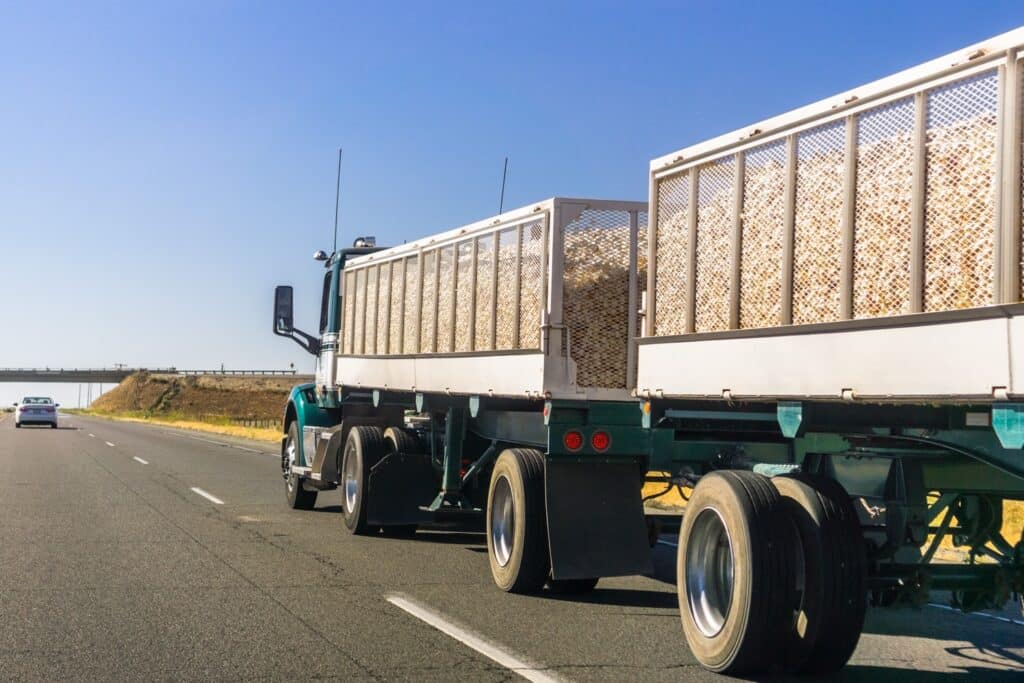
- long-distance transportation
- high-output,
- high-efficiency production
1
large-scale monoculture
2
synthetic fertilizers and pesticides
3
heavy water use
4
long-distance transportation
5
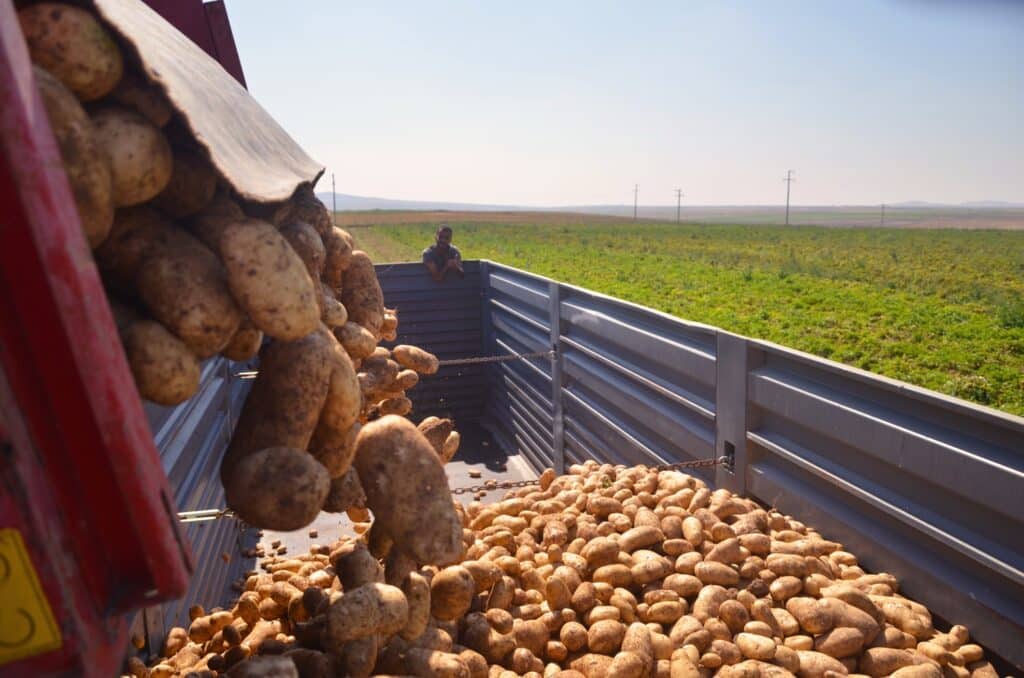
high-output
6
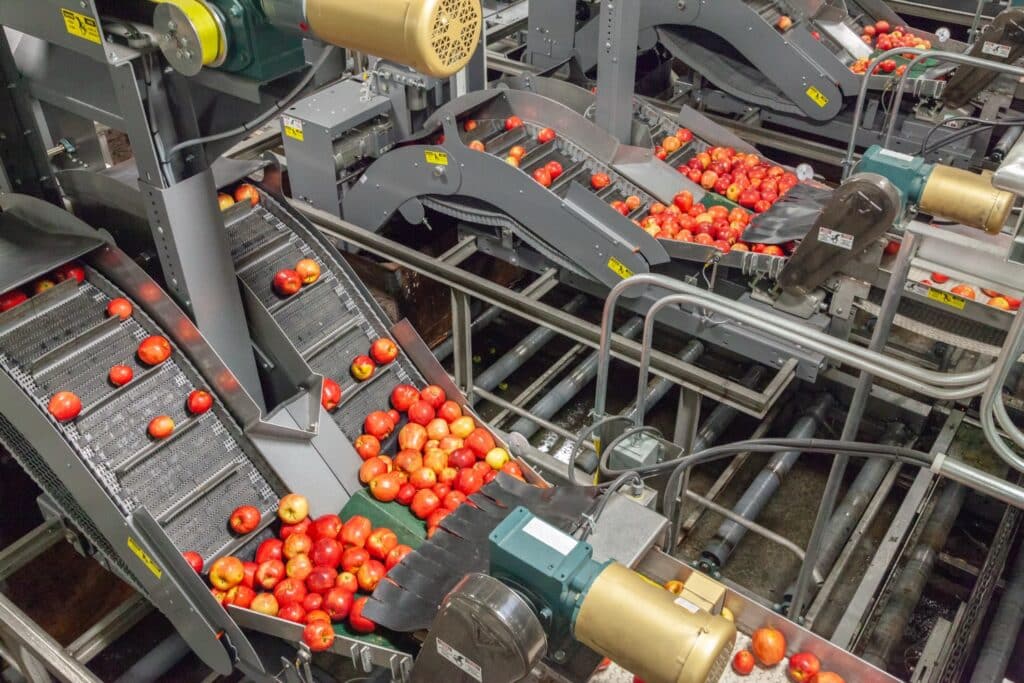
high-efficiency production
Over time, these practices can:
- degrade soil health
- reduce biodiversity
- pollute water systems
- increase greenhouse gas emissions
This is not something you solve overnight.
But it is something worth understanding.
Because once you understand the system, your choices begin to carry intention.
Local, Seasonal, and the Bigger Picture
This is where things get more nuanced – and more real.
You’ll often hear that “organic is better.”
And in many ways, it can be.
But here’s the part that’s often left out:
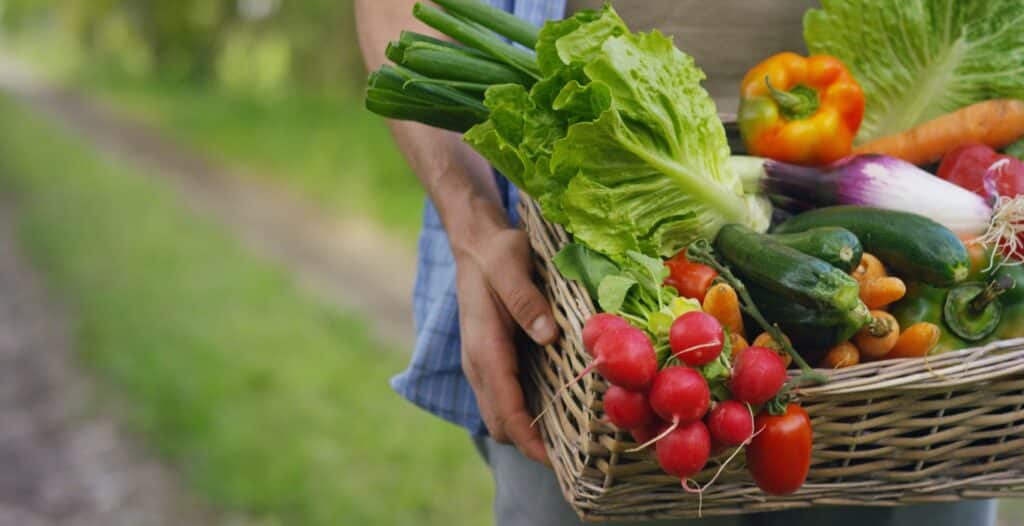
Food that travels long distances loses both freshness and nutritional value over time.
A perfectly organic product shipped across the world is not always a better choice than:
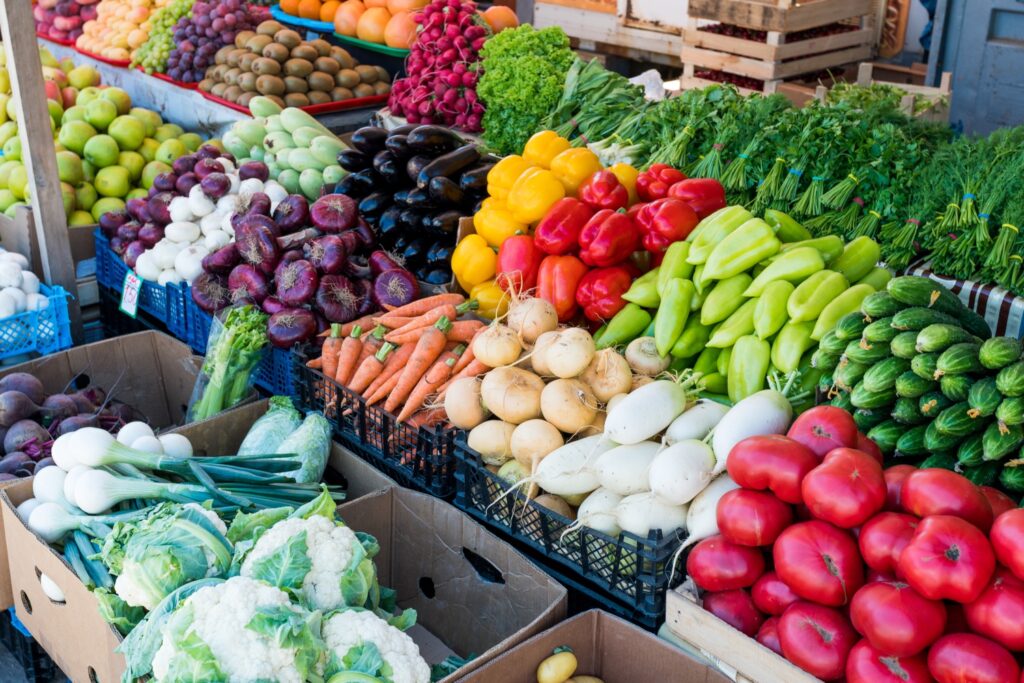
- locally grown produce
- seasonal ingredients
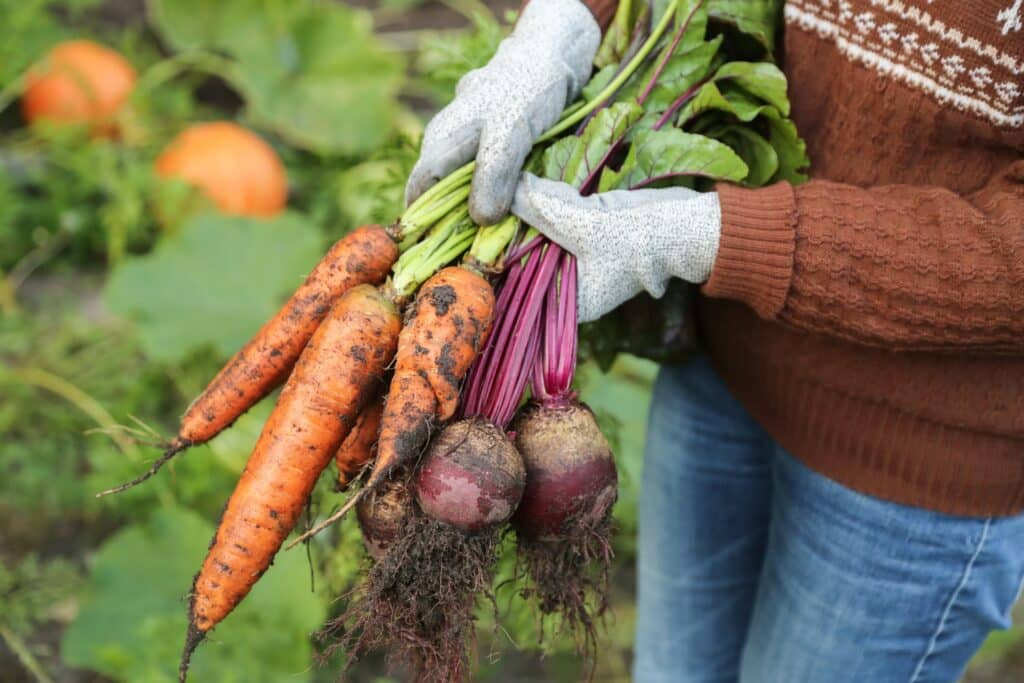
- food harvested closer to when you buy it
Local food:
- travels less → lower fuel use and emissions
- is fresher → often more flavorful and nutrient-dense
- supports small and regional farms
Seasonal food:
- grows in natural conditions
- requires fewer inputs to produce
- simply tastes better
This doesn’t mean you should never buy food from other countries.
We are part of a global food system. It means understanding the tradeoffs, not following rigid rules.
Environmental Impact Starts in the Kitchen
While the global food system is complex, your kitchen is where you have the most control.
And the biggest impact at home often comes from simple habits.
Food Waste
A significant portion of food produced never gets eaten.
At home, this looks like:
- overbuying
- forgotten leftovers
- improper storage
- misunderstanding
- expiration dates
Every time food is thrown away, so are:
- the water used to grow it
- the energy used to
- transport it
- the labor behind it
Reducing waste is not just practical – it’s powerful.
How You Shop and Plan
Intentional shopping reduces pressure on the system.
Simple shifts:
- plan meals before shopping
- shop your pantry first
- buy what you will actually use
This isn’t about restriction.
It’s about awareness.
How You Store and Use Food
Small systems make a big difference:
- FIFO (First In, First Out) → use older items first
- keep a visible “use first” section in your fridge
- store food properly to extend shelf life
These are chef habits – and they matter.
Packaging, Transportation, and Convenience
Modern food systems rely heavily on:
- plastic packaging
- single-use materials
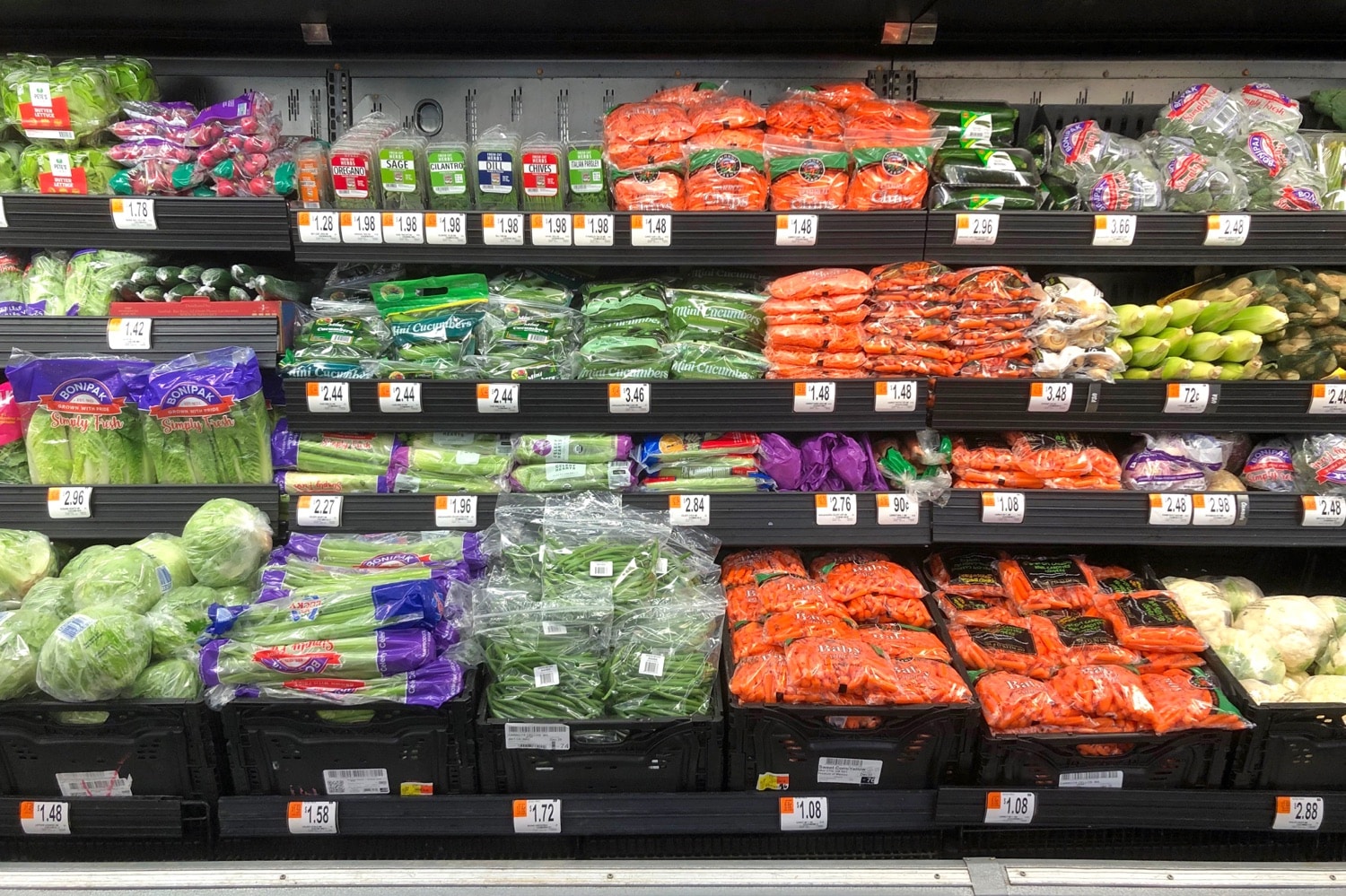
- refrigeration and long-distance transport
Convenience often comes with a hidden environmental cost.
This doesn’t mean eliminating convenience.
It means being aware of where it fits in your life.
A Note on Seafood and Ocean Impact
Not all environmental impact happens on land.
Ocean ecosystems are affected by:
- overfishing
- destructive fishing practices
- certain forms of fish farming
This is a complex topic, and one we’ll explore more deeply in a dedicated guide.
For now, awareness is the first step.
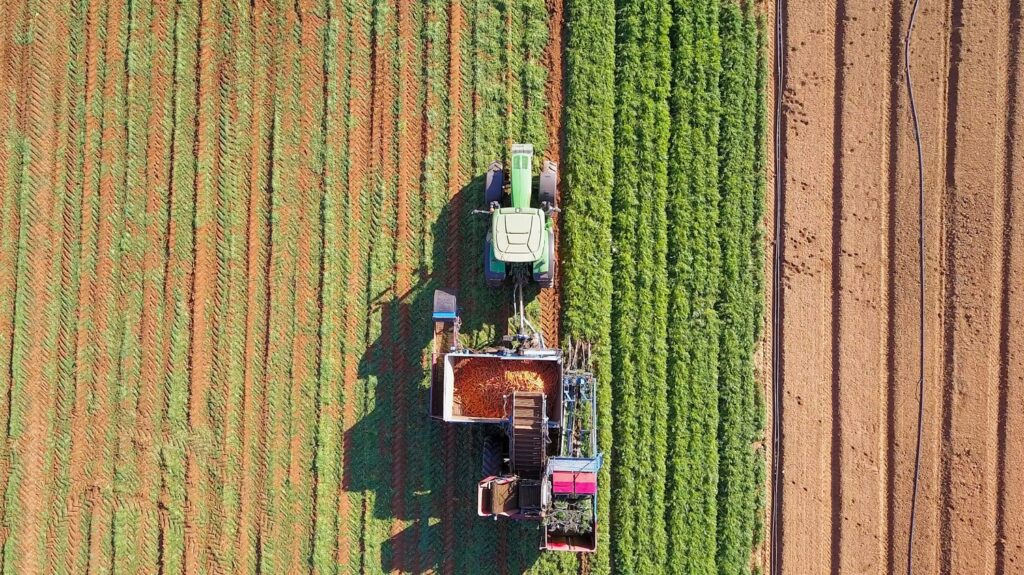
1
harvesting
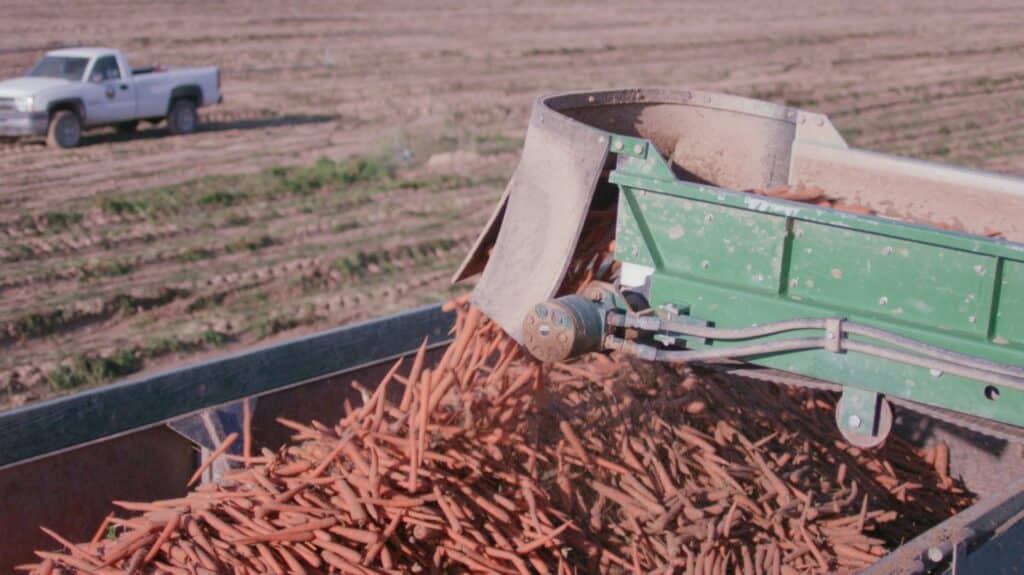
2
collecting and transporting
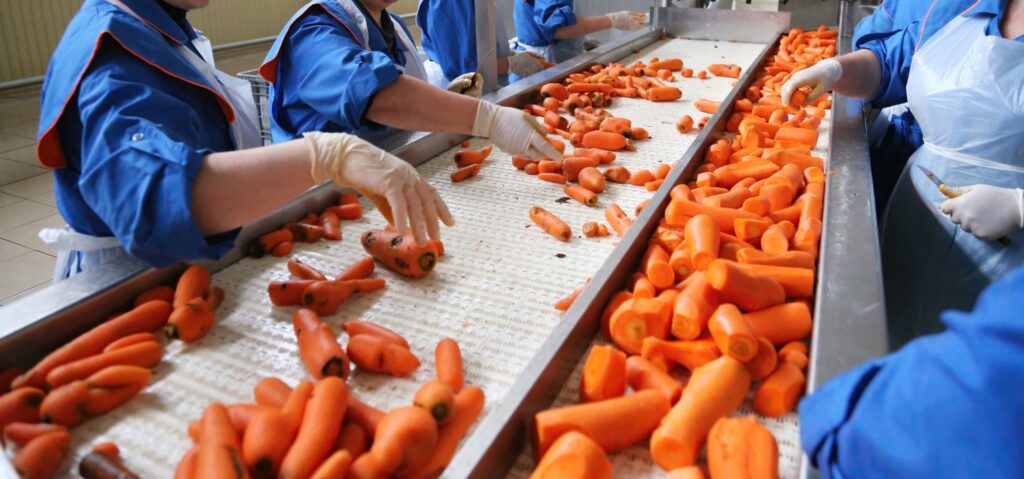
3
sorting and processing
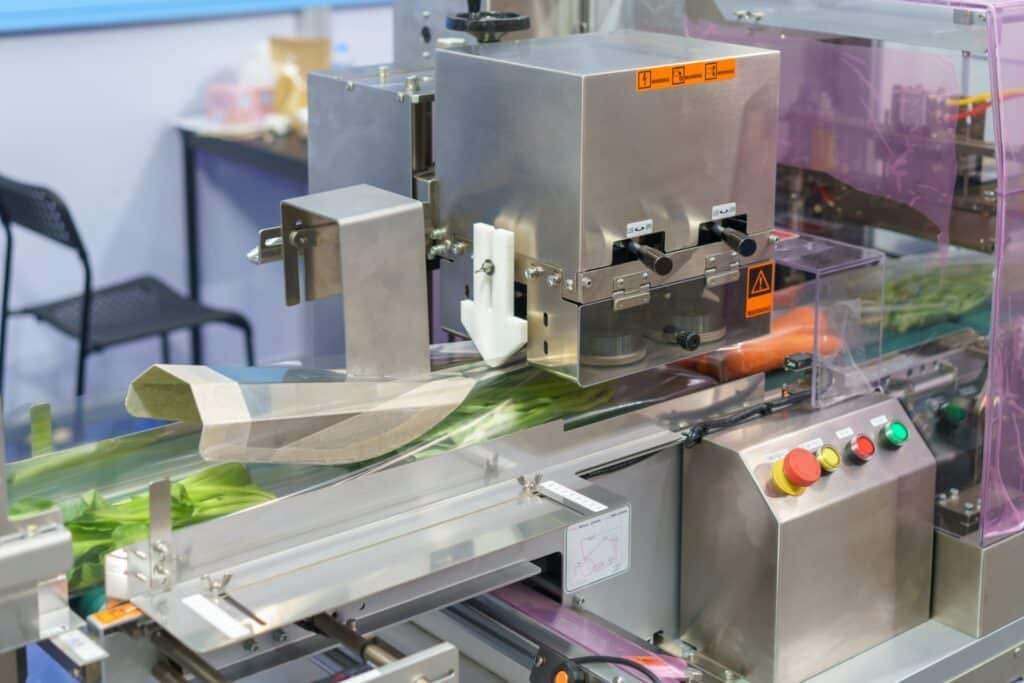
4
packaging

5
transporting
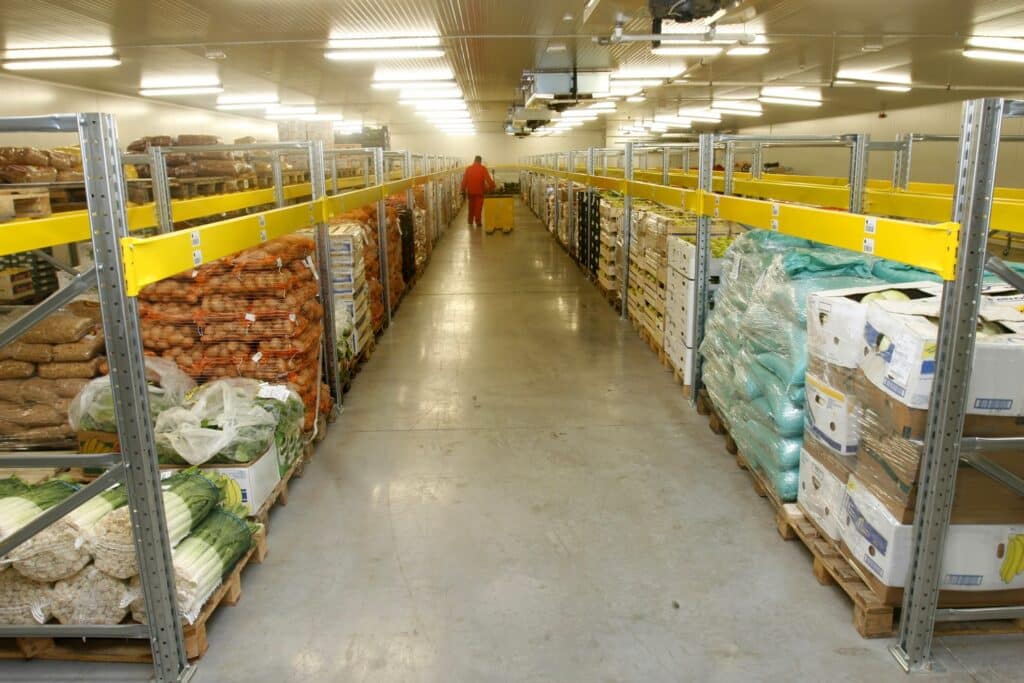
6
storage and distribution
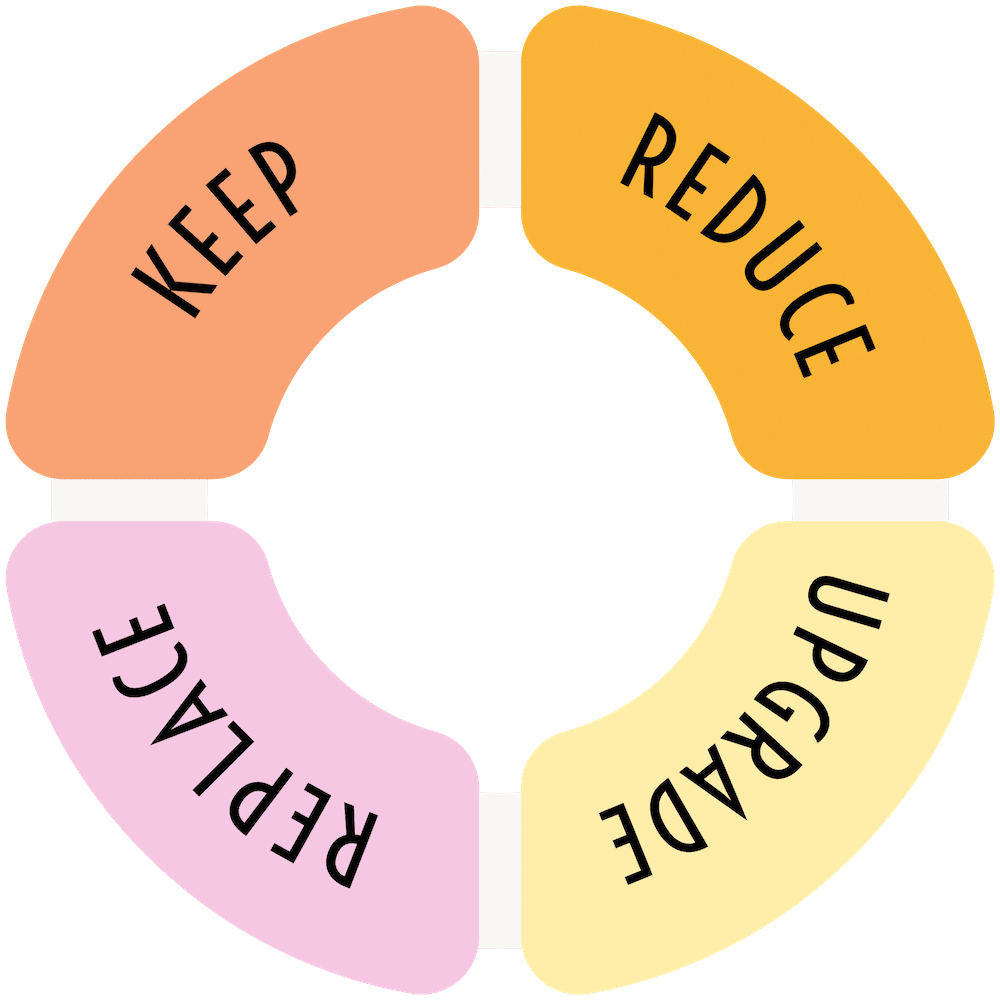
Keep / Reduce / Upgrade / Replace
Instead of trying to change everything, use this approach:
Keep
- What already works in your life without adding stress.
- Be mindful of how your food is produced – think about the land, the farmer, the animal, the packaging, the transportation – because nothing simply magically appears on your supermarket shelves. There is a whole process to get it there.
- Shop wisely. Cook at home, make simple meals, follow familiar routines
Reduce
- Resources that put the most strain on the planet (land, oceans, animals, the workers).
- Overbuying, waste, excess packaging.
Upgrade
- One choice at a time
- Better sourcing, seasonal ingredients, smarter systems, proper storage
Replace
When it makes sense
- Swap a couple of habits at once, not your entire lifestyle (for example, if you are a 7-days per week meat eater, making one meal vegetarian or purchasing better quality meats can make a huge difference on the environment (and your health).
- Starting with small changes results in long-lasting habits. Trying to change too many things at once often results in failure – like me going on a 500 calorie per day diet, joining boot camp, going to the gym 7 days a week and training for a marathon all at once. For me, this was not sustainable (or fun).
Making Choices Without Judgment
This matters.
Not everyone has access to:
- local farms
- seasonal markets
- higher-priced ingredients
Time, budget, and availability all play a role.
Intentional Cooking is not about doing everything “right.”
It’s about:
- understanding your options
- making the best choice you can
- adjusting as your situation changes
There is no shame in meeting yourself where you are.
Why This Matters
Food connects everything.
- the land
- the environment
- the economy
- our health
- our communities
When you make even small changes in your kitchen, you’re participating in that system in a different way.
Not perfectly.
But intentionally.
And that’s where real change begins.
Intentional Cooking Starts Here
Try our 7-day meal plan, making one small change with each recipe to work toward your goals with us.