Social Justice: The People Behind Our Food
Food doesn’t just come from farms.
It comes from people.
The people who: Plant, Harvest, Process, Transport, Cook, and Serve our food.
Every meal we eat is connected to human labor – often invisible, often overlooked.
When we talk about food, we rarely talk about the people behind it. But their working conditions, wages, and treatment are part of the food system – just as much as ingredients, cost, or nutrition.
Intentional Cooking includes understanding that connection. Not to judge. Not to overwhelm. But to become aware.
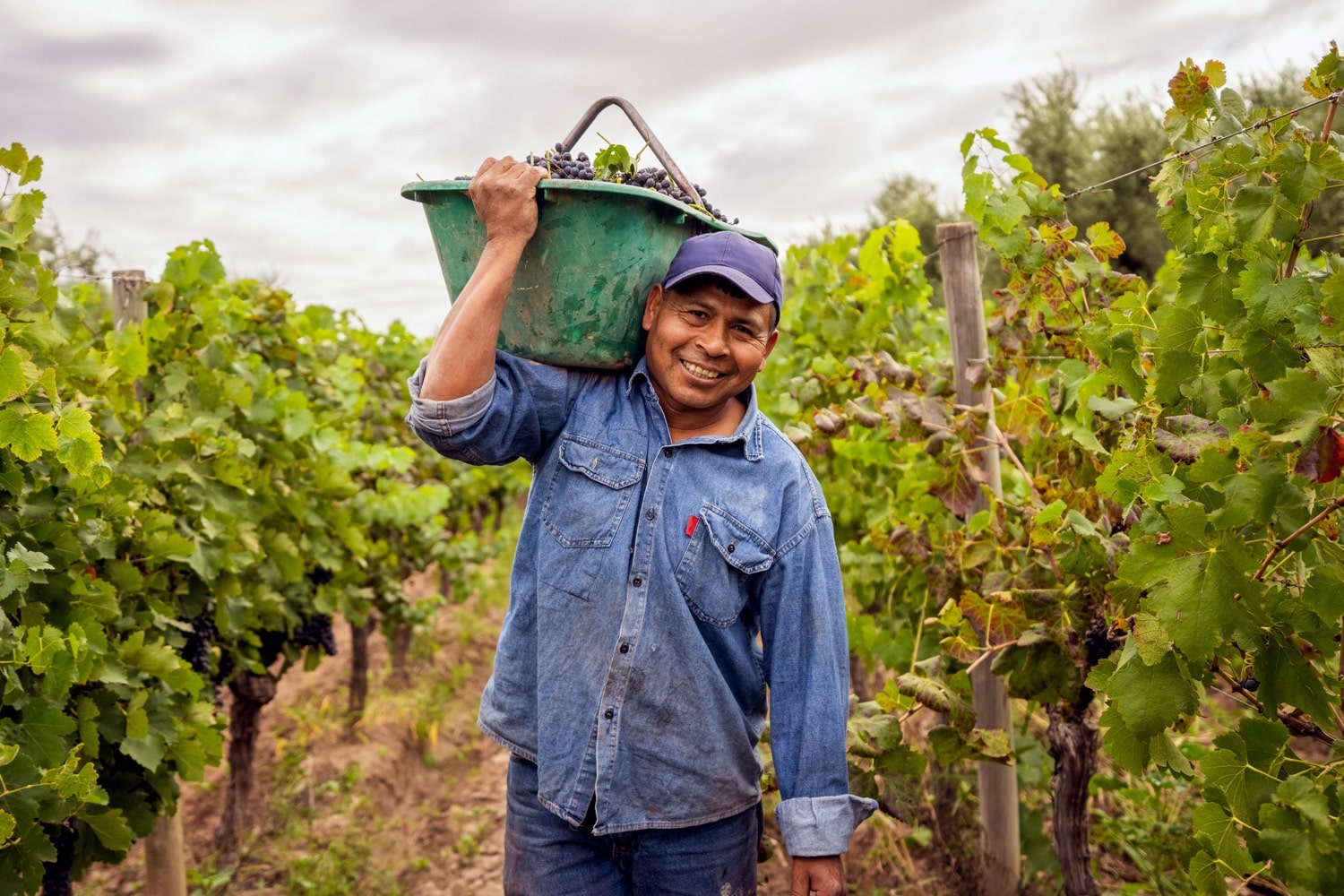

Start Here: Awareness Without Overwhelm
You don’t need to fix the entire system, have all the answers or change everything overnight. You only need awareness.
Because once you start seeing the people behind your food, it becomes part of how you choose.
Who Is Behind Your Food?
Behind every ingredient is a chain of people.
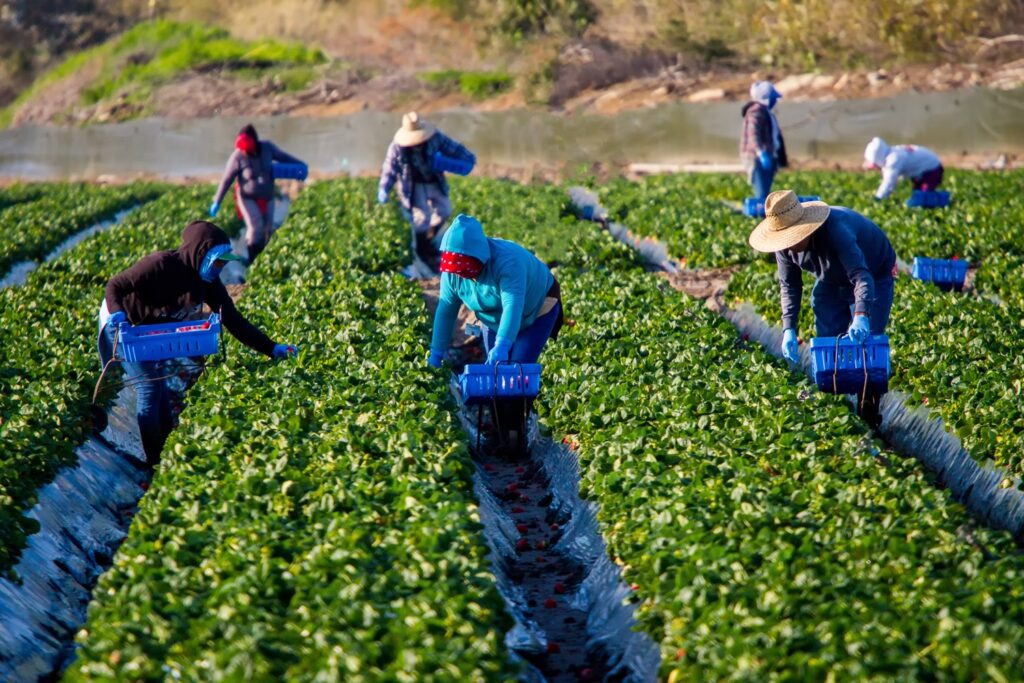
- Farm workers harvesting crops
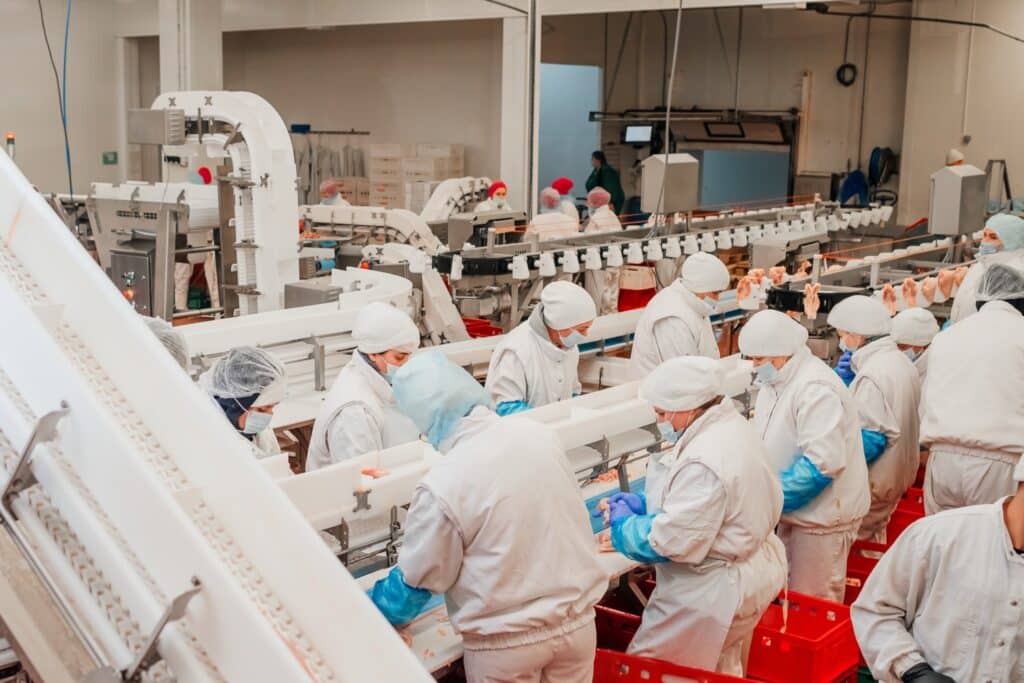
- Workers in processing plants
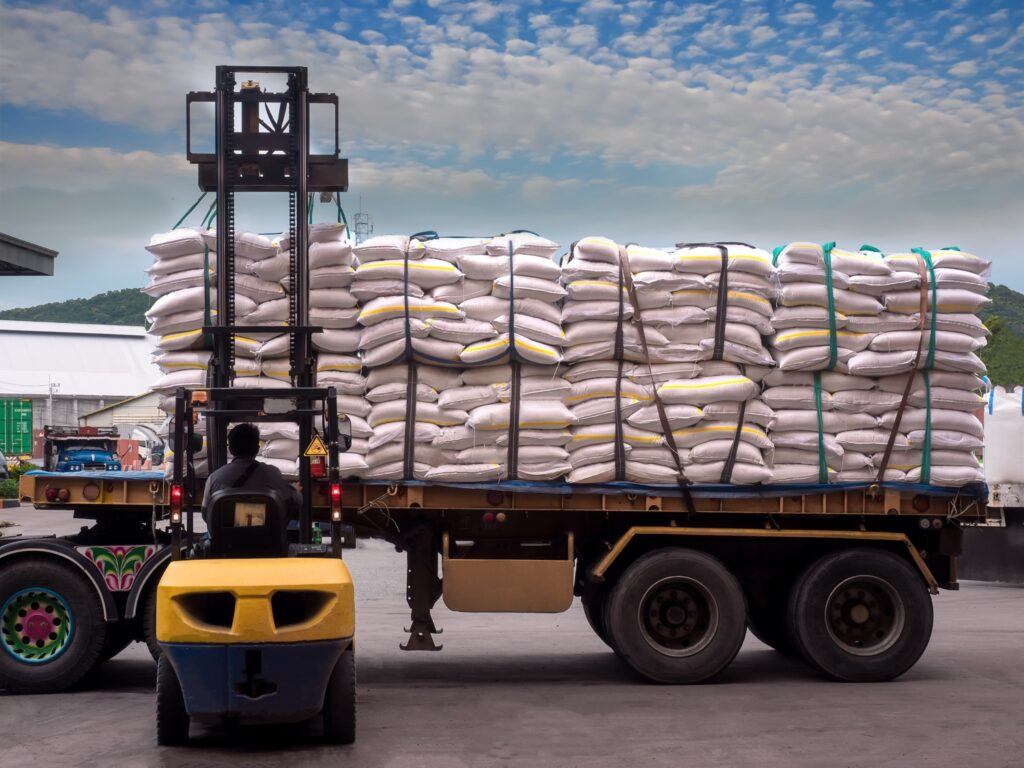
- Drivers transporting food across the country
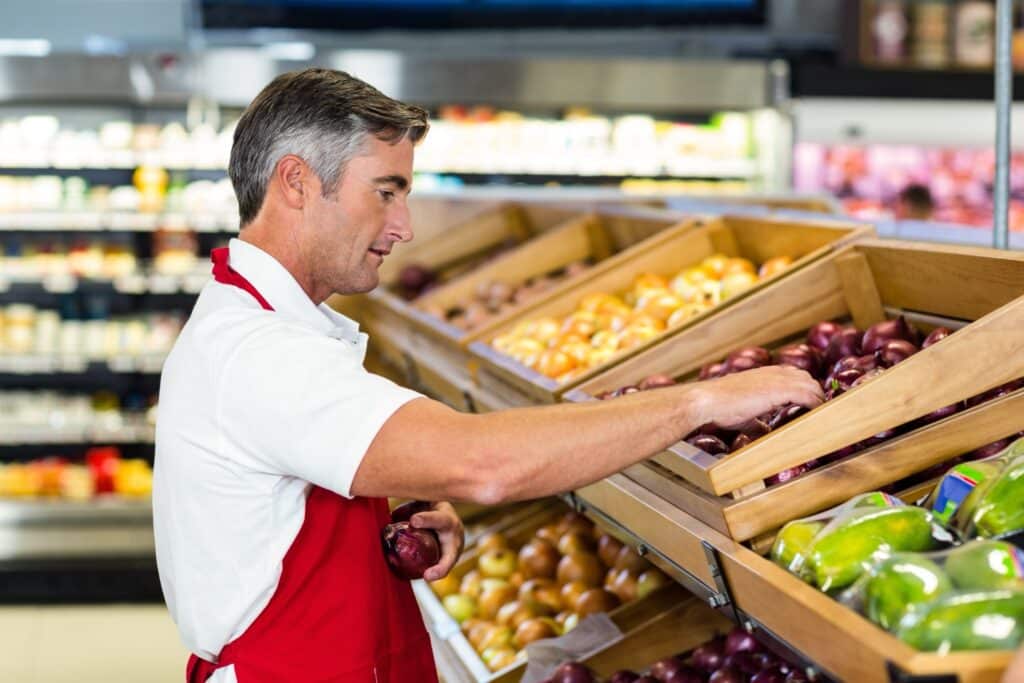
- Grocery employees stocking shelves
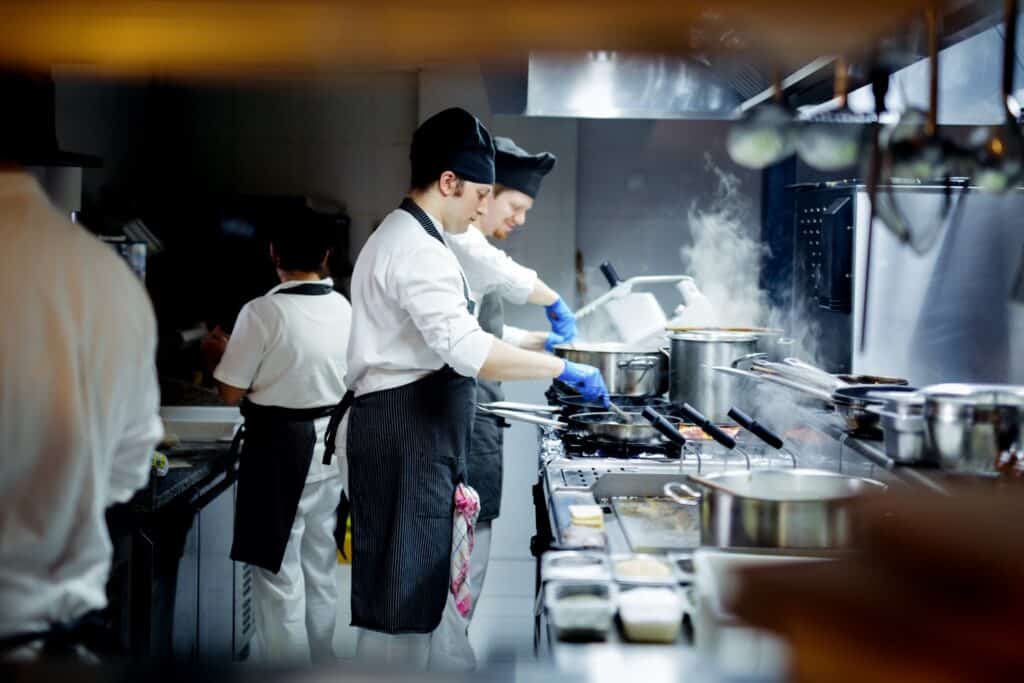
- Cooks preparing meals
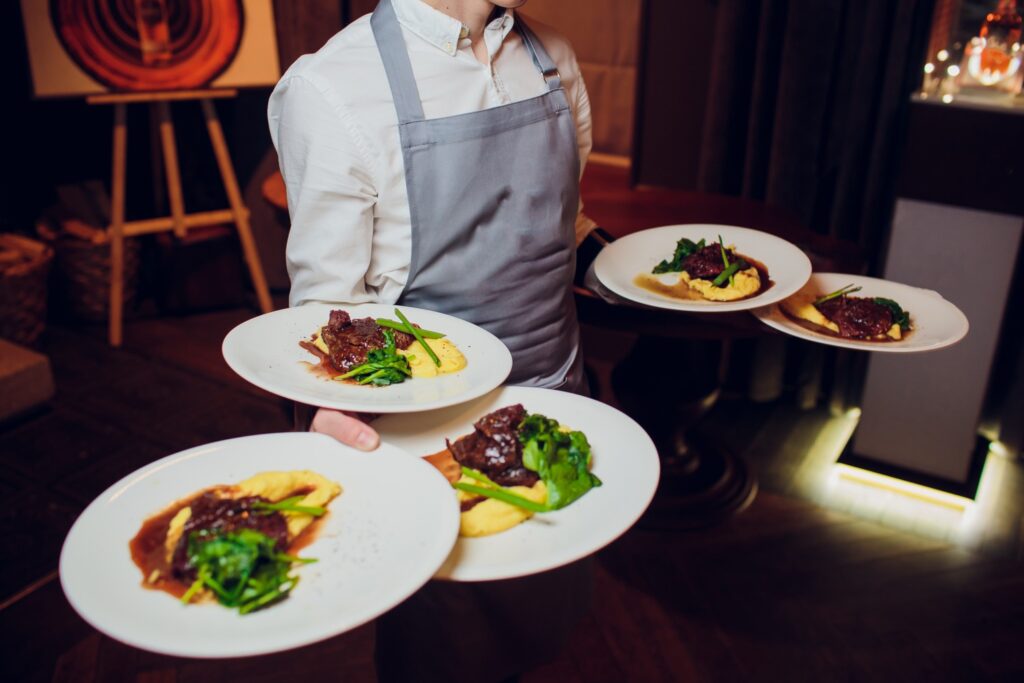
- Servers bringing food to your table
These people are an essential part of how the food system functions yet, they oftentimes:
- Work long hours
- Learn low wages
- Don’t receive benefits
- Work under questionable or unsafe conditions
- Have limited protections
1
farm workers harvesting crops
2
workers in processing plants
3
drivers transporting food across the country
4
grocery employees stocking shelves
5
cooks preparing meals
6
servers bringing food to your table
The Reality of Food Labor
The modern food system is built on efficiency, scale, and cost. And just like with animals and the environment, that efficiency comes with trade-offs.
In many parts of the industry, workers face low pay and limited benefits, physically demanding work, exposure to unsafe or unhealthy conditions, and limited job security.
These realities are not always visible – but they are part of the system.
Farm and Agricultural Workers
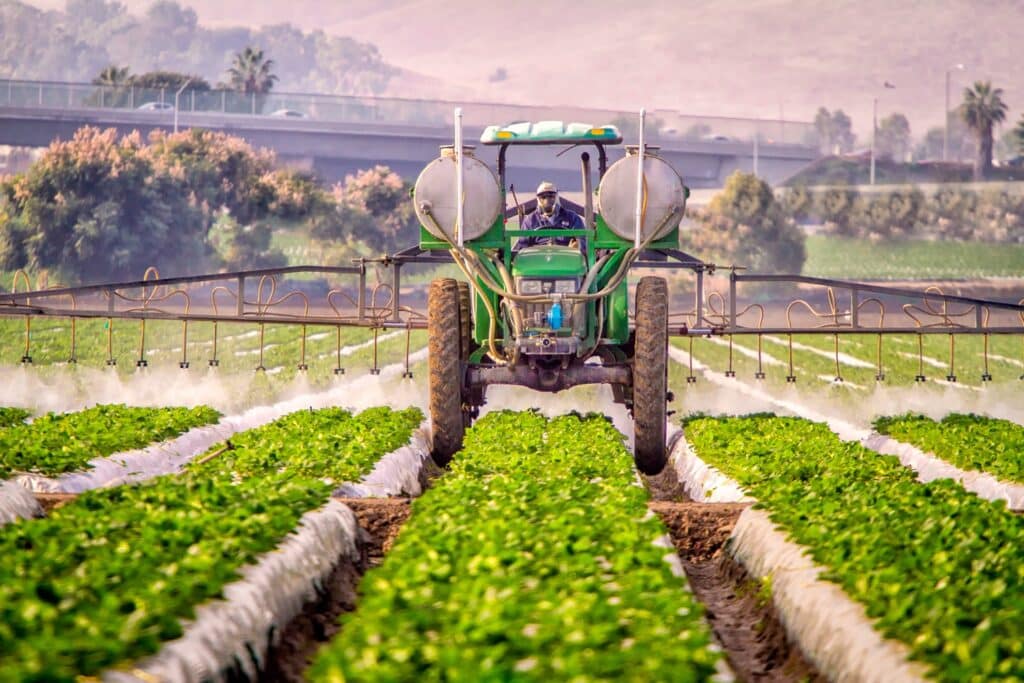
Farm workers are responsible for growing and harvesting much of the food we eat. This work is physically demanding, often seasonal, and sometimes done under difficult conditions
In many cases, agricultural workers earn low wages, have limited to no access to healthcare,
are exposed to pesticides and extreme weather. Their work is essential-but often undervalued.
Restaurant and Food Service Workers
Restaurants and fast food joints are a central part of how we experience food. But behind the scenes, many workers earn low wages, rely on tips for income, work long, irregular hours and most holidays.
As someone who has worked in the food industry, I’ve seen this firsthand.
For most kitchen workers, cooking is not just a passion – it’s a demanding job with very limited financial stability. A job that too often treats different genders differently. And yet, these are the people feeding communities every day. Sometimes without any actual appreciation from anyone.
Why This Matters
Food is not just about what we eat. It’s about how it gets to us. When we begin to understand the human side of the food system, we start to see that our choices connect us to other people’s lives. Not perfectly. Not always directly. But meaningfully.
Small Shifts That Support People
You don’t need to overhaul your entire life to care about the people behind your food. But you can stop moving through the system on autopilot.
Start with small shifts that bring awareness back into your everyday choices:

Pause before you buy or order
Take a moment to consider the chain of people behind that food – farm workers, processors, cooks, servers. Awareness is the first step.

Value the work behind your meals
Cooking, harvesting, prepping, and serving food is skilled, demanding labor. Treat it that way-in your mindset and in how you talk about it.

Support businesses that treat people better
This might mean choosing a local restaurant, a small producer, or a company that is transparent about sourcing and labor practices.

Tip fairly and consistently
For many workers, tips are not extra – they are essential income. This is one of the most direct ways to support people in the food system.

Be mindful of extreme convenience
Fast, cheap, and highly convenient food often comes at a hidden human cost. You don’t need to eliminate it but becoming aware of when and how often you rely on it matters.

Cook more meals at home when possible
Not as a rule but as a way to reconnect with the process and reduce dependence on systems you don’t fully see.

Acknowledge and respect food workers
A simple “thank you,” patience, and basic respect go further than we think, especially in environments where workers are often overlooked.

These actions may seem small. But they shift something important, they turn food from a transaction into a relationship.
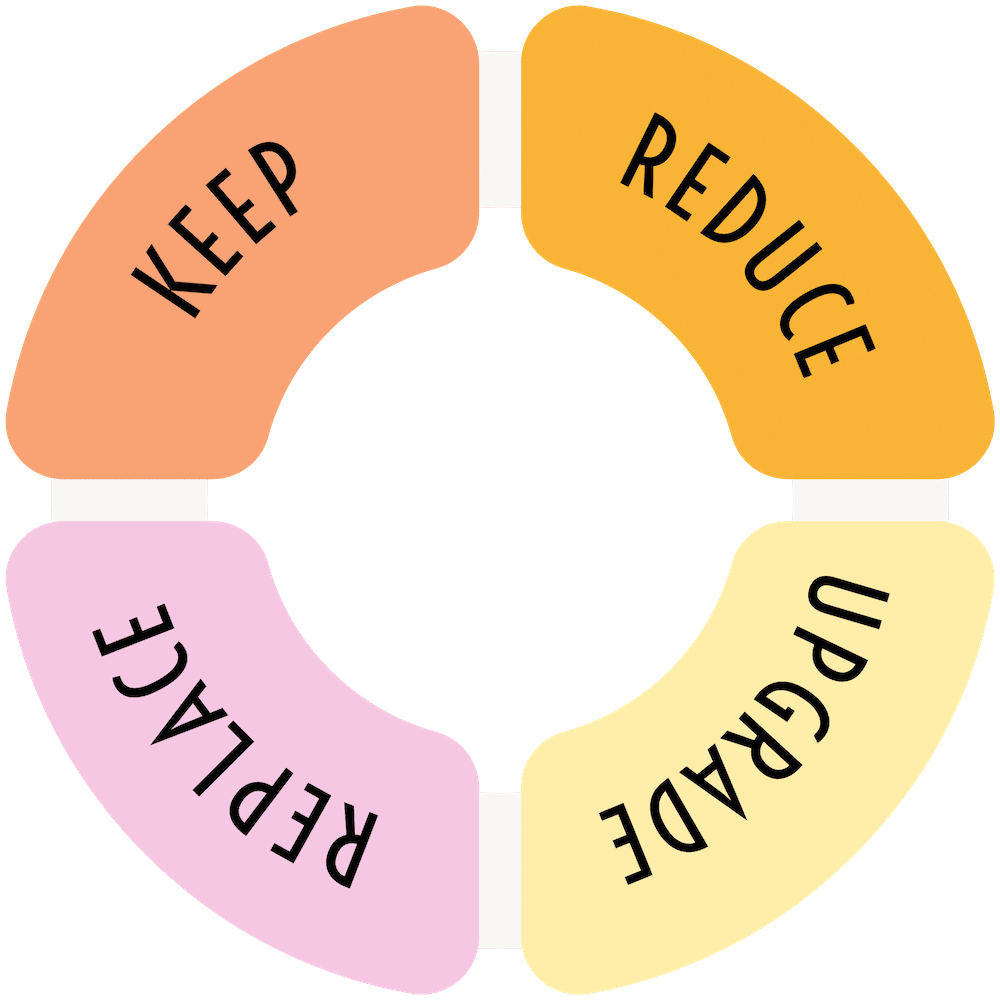
Keep / Reduce / Upgrade / Replace
There are many ways to approach this and none of them have to be perfect. Social justice in the kitchen is not about becoming morally pure. It’s about becoming more aware of the people behind your food and making choices that reflect that awareness when you can.
Keep
- The habit of pausing to ask: who made this meal possible?
- Meals prepared at home, where you have more control over what you buy and who you support
- The practice of valuing food not just for its price, but for the labor, time, and human effort behind it
Reduce
- Mindless buying that treats food like it appeared by magic
- Support for systems that depend on extreme cheapness at the expense of workers, whenever you have another realistic option
- Casual attitudes toward food service and farm labor, as if the people behind our meals are invisible
Upgrade
- Your awareness of where your food comes from and whose hands brought it to you
- Your support for businesses, farms, and producers that show more transparency and more respect for workers
- The way you speak about food labor, by recognizing cooking, harvesting, serving, and cleaning as skilled, demanding human work
Replace
- Unconscious convenience with more informed choices when possible
- The expectation of “cheap food at any cost” with a deeper respect for the real cost paid by workers
- Indifference with curiosity, gratitude, and a willingness to learn more about the people behind your food
Making Choices Without Judgment
Not everyone has the same:
- Budget
- Access
- Time
- Options
For many people, food choices are not just about values. They’re about reality.
- Sometimes convenience is necessary.
- Sometimes cost determines what we can buy.
- Sometimes the best available option is simply the one that gets food on the table.
Intentional Cooking is not about perfection or comparison. It’s about awareness, honesty, and doing what you can within your own circumstances. Your choices don’t have to look like anyone else’s to matter.
Final Thought
Every meal connects you to more than just ingredients. It connects you::
- To people.
- To effort.
- To labor.
- To lives you may never see – but are part of your everyday life.
You don’t have to carry the weight of the entire system. But you can choose not to move through it unconsciously. And sometimes, awareness is where meaningful change begins.
Learn About All 8 Intentional Cooking Pillars







Intentional Cooking Starts Here
Try our 7-day meal plan, making one small change with each recipe to work toward your goals with us.