Finances: How to Eat Well Without Overspending
Let’s be honest for a moment.
There are times in life when your values and your budget don’t match.
You want to buy better ingredients. You want to cook healthier meals. You want to support farms that do things the right way.
But then, you look at your bank account… and reality hits.
I’ve been there.
I grew up in a third world country – Peru, and later in life, I became homeless in Philadelphia as a young adult. I know what it feels like to make food decisions based on survival, not ideals.
Intentional Cooking is not about pretending money doesn’t matter.
It’s about learning how to make food choices that respect your budget and your well-being-without guilt, without shame, and without unrealistic expectations.



Start Here: The Goal Is Not Perfection
You don’t need:
- Organic everything
- Free-range, grass feed, wild-caught everything
- Specialty stores
- Expensive ingredients
You need: A system that works for your life and the willingness to make smaller changes when possible.
The goal is simple:
- Favor real, simple ingredients when possible
- Cook more at home (even a few meals per week)
- Reduce ultra-processed foods when possible
- Store food properly and waste less
- Make upgrades when your budget allows
That’s it.
The Reality of Food and Money
Food is one of the most personal and emotional expenses we have.
It’s tied to:
- Survival
- Comfort
- Culture
- Family
- Stress
And yet, we’re constantly told:
- “eat better”
- “buy organic”
- “choose higher-quality ingredients”
Without anyone talking about what that actually costs.
There are seasons in life where:
- convenience wins
- cheaper options are necessary
- survival comes before optimization
And that is not failure.
That is reality.

Where Your Food Money Actually Goes
Most people think groceries are expensive – and they are.
But often, the biggest financial leaks come from how we buy, prepare and store food.
Lack of Planning
- Buying without a shopping list
- Impulse purchases
- Duplicate items
👉 Small decisions add up quickly.
Planning doesn’t restrict you. It protects your budget.
Food Waste
Throwing food away is throwing money away.
- Spoiled produce
- Forgotten leftovers
- Overbuying
👉 This is often the biggest financial leak in most kitchens.
Convenience Spending
- Takeout and eating out
- Pre-cut or pre-washed items
- Pre-packaged foods
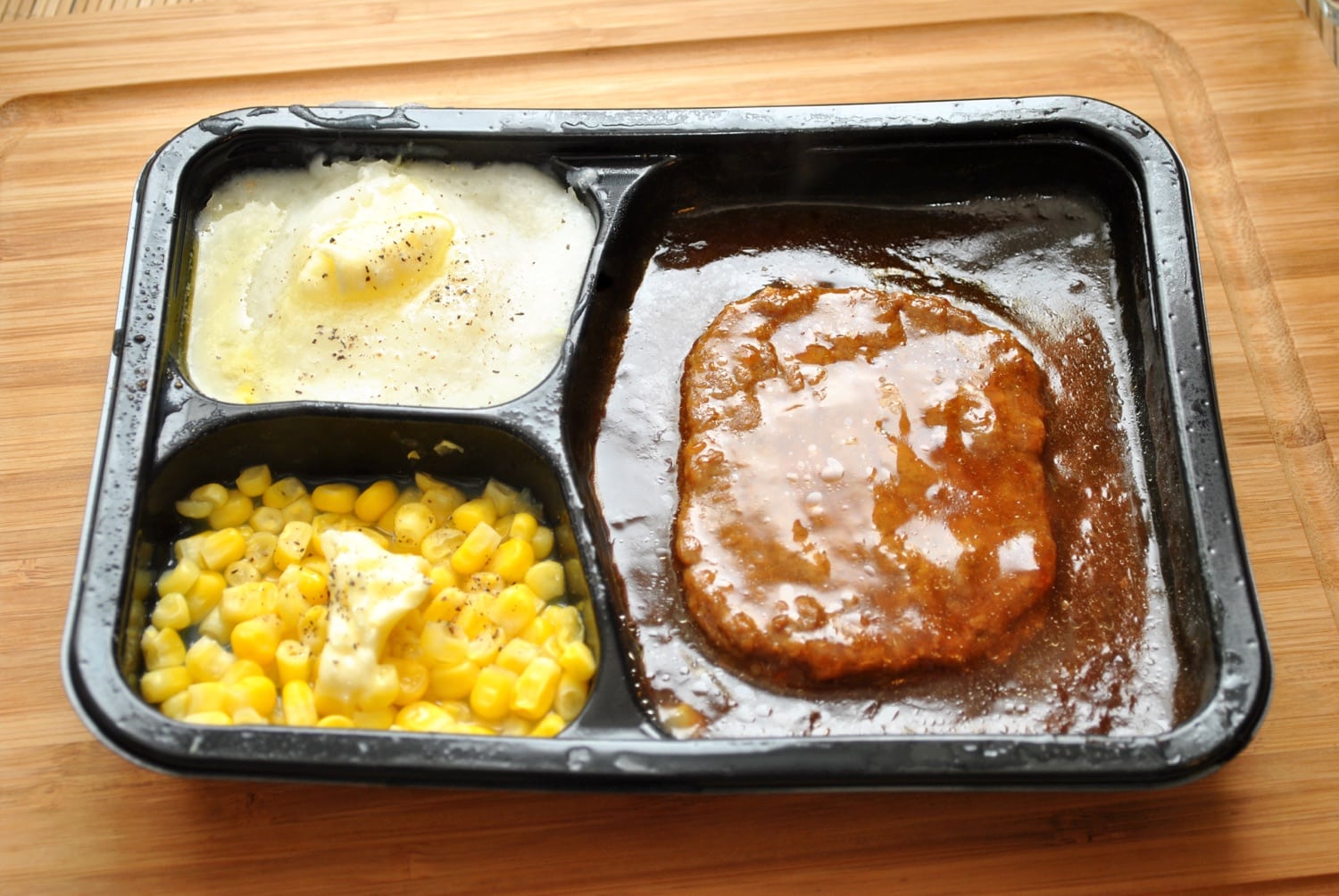
- Ultra processed meals
👉 You’re paying for time, not just food.
Convenience has a place but the cost adds up quickly.
Trying to Do Everything at Once
Switching to:
- all organic
- all premium
- all “clean eating”
👉 This is where most people burn out financially.
The Hidden Cost of Food Marketing
Not all food expenses come from what you need.
Many come from what you’re convinced to buy.
Food companies spend millions designing packaging and messaging to influence your decisions.
You’ve seen it:
- “Made with real fruit”
- “High protein”
- “All Natural”
- “Whole grain”
- “Milk’s favorite cookie”
These statements aren’t necessarily false (some are) but they don’t tell the whole story.
A product can:
- Look healthy
- Sound nutritious
- Feel like a better choice
…while still being highly processed and expensive for what it actually provides.
Over time, these choices add up.
You may be spending more money on:
- Branding
- Convenience
- Perception
👉 instead of real ingredients that nourish you and stretch your budget further
Intentional Cooking isn’t about avoiding these products completely.
It’s about:
- Understanding what you’re buying
- Deciding if it’s worth it
- Choosing differently when it matters most
The Biggest Financial Wins in the Kitchen
If you want to make a real difference in your food budget, start here.
These are the habits that save the most money—without making your life harder.

Reduce Food Waste
- Plan your meals (even loosely)
- Store food properly
- Use what you buy
- Have a plan for leftovers
If you fix this one habit, everything else gets easier.

Eat In (Most of the Time)
- Cook more meals at home
- Pack snacks when possible
- Batch cook when it helps
You don’t need to cook every meal—just more than you currently do.

Build Meals Intentionally
- Buy seasonal produce
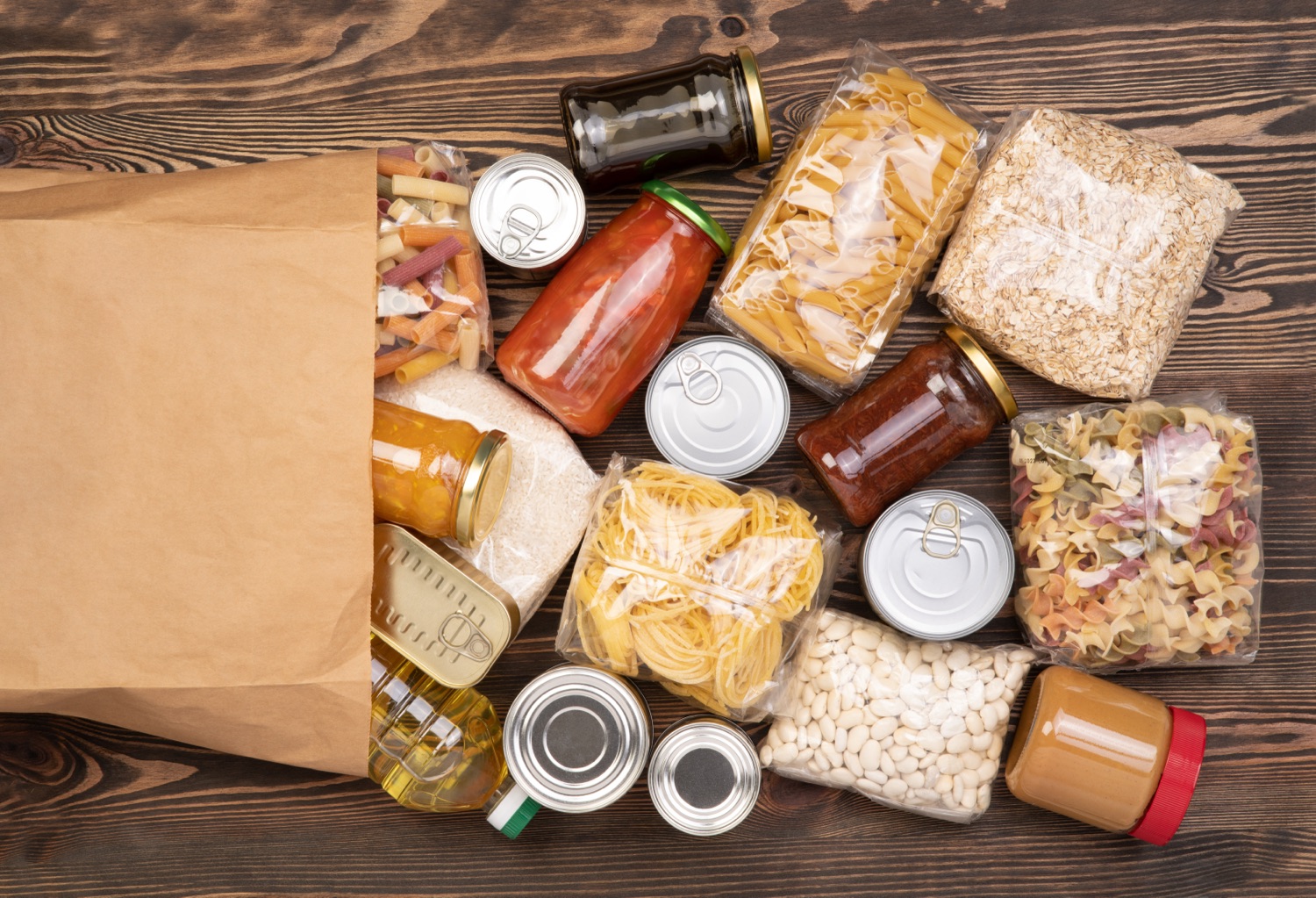
- Use simple pantry staples (beans, rice, lentils)
- Stretch ingredients across multiple meals
Simple food is often the most nourishing—and the most affordable.

Be a Cook, Not a Consumer
- Buy ingredients, not just products
- Cook with intention, not impulse
- Avoid letting marketing dictate your meals
The more you cook, the less you overspend.
Practical Strategies That Actually Work
Planning saves money and time
- Make a shopping list
- Shop your fridge and pantry first
- Plan a few meals (start with one, go from there)
- Buy what’s best for you (not what marketing campaigns or trends dictate)
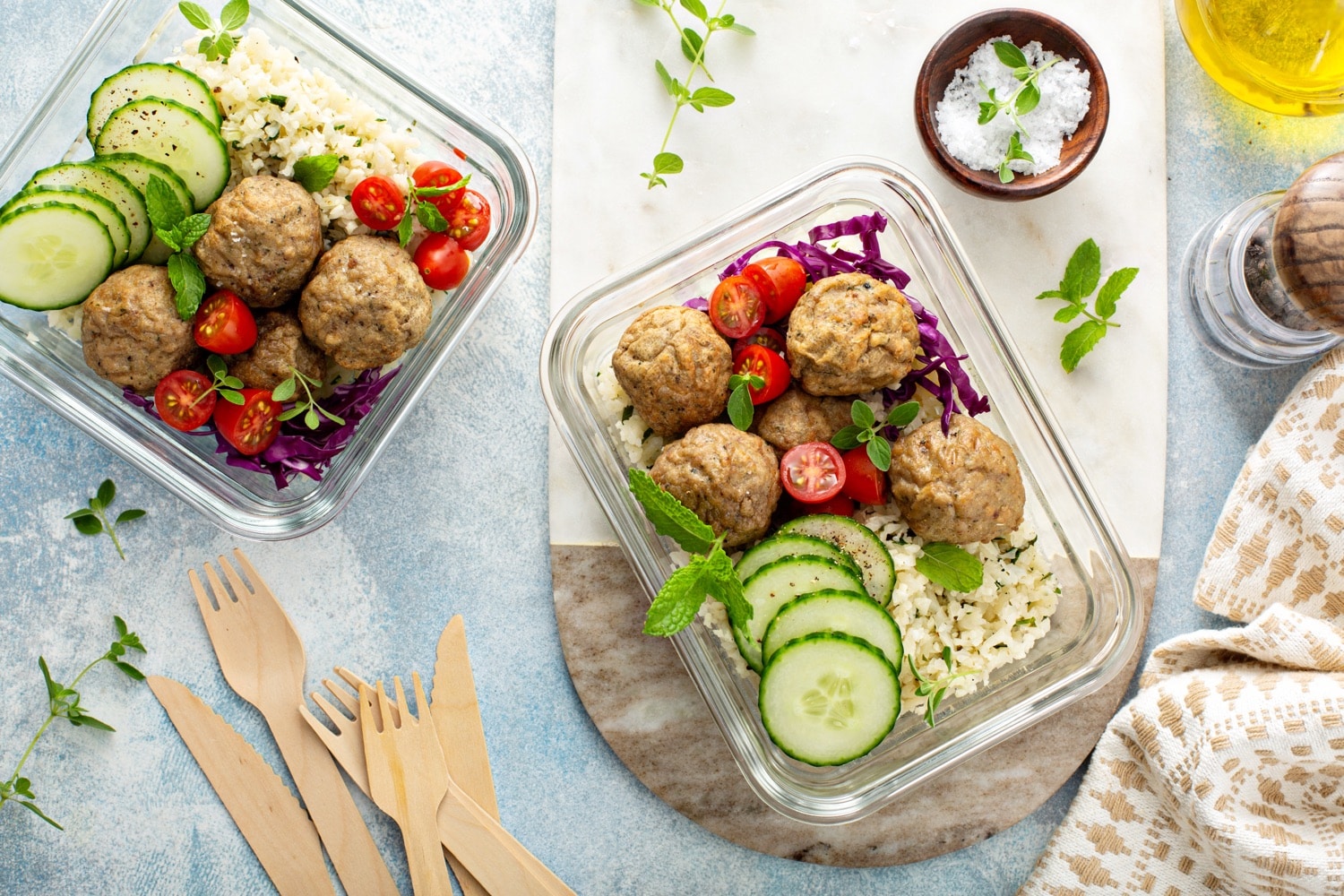
- Organize your fridge and pantry with the FIFO system (First in, First out)
- Be a strategic planner. Use similar ingredients for your weekly meals.
- Repurpose leftovers
- Batch prep and batch cook when possible
- Invest on quality storage containers and vacuum sealers
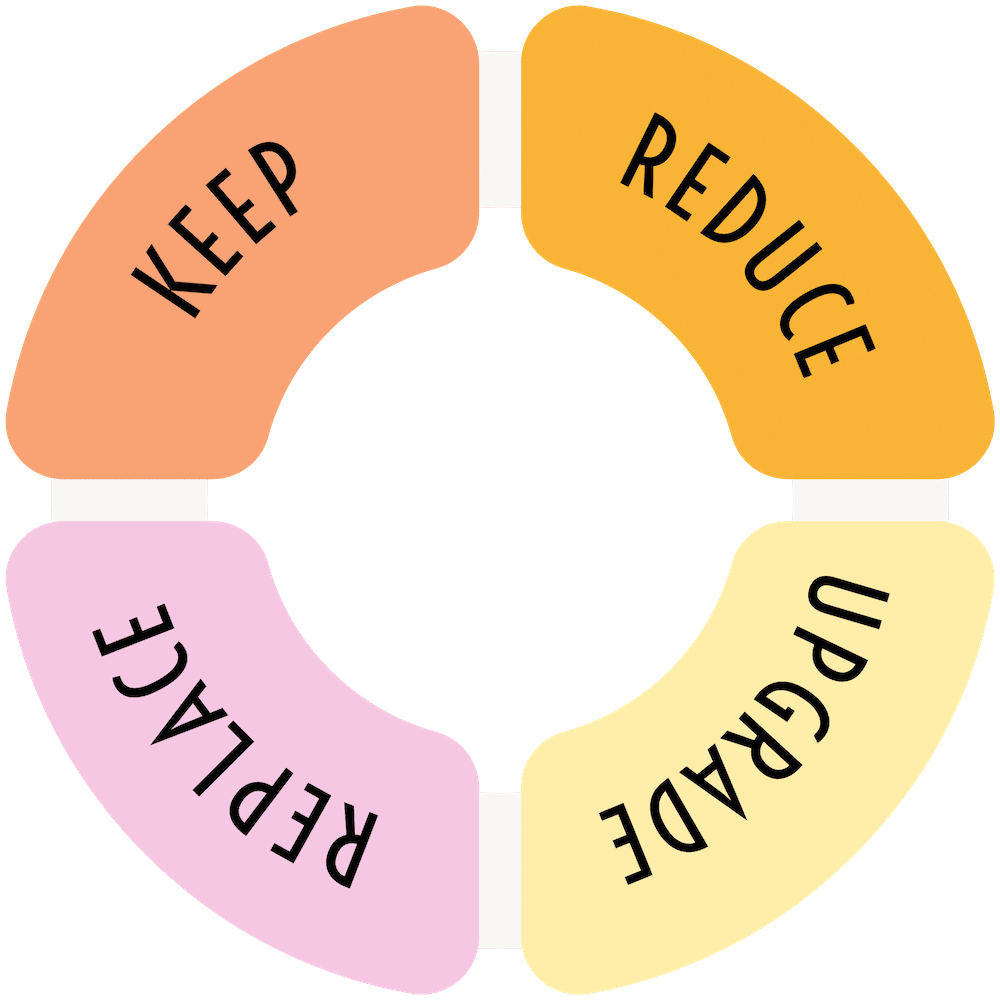
Keep / Reduce / Upgrade / Replace
Keep
- What is already working for you
- Meals and staples your family enjoys
- Simple routines you can maintain
- Cooking habits that feel realistic
Reduce
- Food waste and spoiled ingredients
- Impulse buying and duplicate items
- Unnecessary convenience purchases
- Trend-driven foods that don’t serve you
Upgrade
- One ingredient or category at a time
- Quality when your budget allows
- Seasonal and local options when possible
- Storage systems that extend shelf life
Replace
- Ultra-processed foods with simple ingredients
- One meat meal with a plant-based option
- Expensive habits with smarter alternatives
- Mindless shopping with intentional choices
Making Choices Without Judgment
There may be times when:
- You choose fast food (and enjoy it!)
- You buy the cheapest option
- You rely on convenience
That doesn’t mean you don’t care. It means you’re navigating real life.
Intentional Cooking is about making the best decision you can in your current situation. And knowing that your situation can change.
Why This Matters
When you understand how to manage your food budget, you gain:
- More control
- Less stress
- More consistency
- Better long-term habits
This isn’t about spending more money.
It’s about using your money in a way that works for you.
Learn About All 8 Intentional Cooking Pillars







Intentional Cooking Starts Here
Try our 7-day meal plan, making one small change with each recipe to work toward your goals with us.